Compare
Water Extraction vs. Structural Drying: What's the Difference?
When water damage happens, the fastest goal is to stop the damage spreading. This guide explains, side by side, what “water extraction” and “structural drying” mean—so you know your next step.
Quick answer: which comes first?
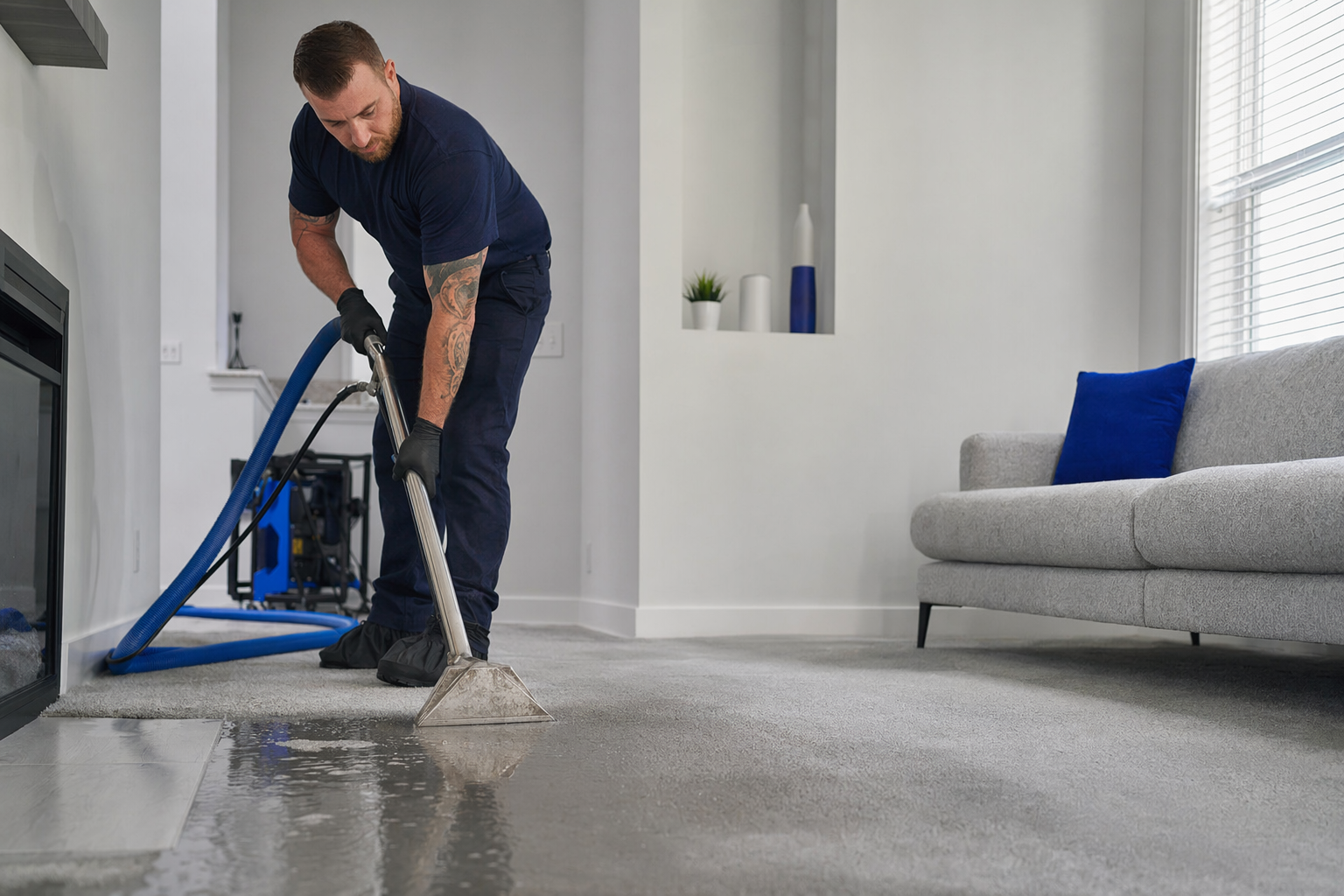
In most water emergencies, water extraction comes first—that means removing the standing water fast. After that, structural drying focuses on pulling moisture out of building materials so things can dry safely and thoroughly.
If you’re staring at wet floors, a damp ceiling, or a flooded basement: you don’t need to choose between them right now. A good water-damage team usually handles both in order, starting with extraction.
DrySpan is a free matching service, not a restoration contractor. We can help you find a local pro for your situation and language needs at once: get matched.
- Water extraction = fast removal of standing water
- Structural drying = moisture removal from walls, floors, and other materials
Water extraction (what it is and when you need it)
Water extraction is the part of water damage cleanup that removes the standing water. Teams may use pumps, wet/dry vacuums, and careful techniques to stop water from soaking deeper.
This step is most important when there’s visible water—like a burst pipe, an overflowing sink, a storm with pooling water, or a leak that hasn’t been fully dried yet. Water spreads into surrounding materials within hours, so acting soon matters.
Typical cost planning estimates for emergency water extraction are roughly $400–$2,000, depending on how much water there is, what surfaces are involved, and your city/state. This is not a quote—always ask for written details.
If you’re still in the first moments, use our time-first checklist: first-hour guide.
- Goal: remove standing water quickly to limit spread
- Tools: pumps and wet/dry vacuums (depending on the situation)
Structural drying (what it is and what to expect)
Structural drying is the process of removing leftover moisture from building materials after the standing water is gone. Even when floors look dry, moisture can remain in drywall, wood, insulation, concrete, and carpet padding.
Structural drying often uses air movers (fans that increase evaporation) and dehumidifiers (devices that pull moisture out of the air). Professionals also monitor drying with moisture readings and adjust the setup as conditions change.
This step is especially important if water touched walls, ceilings, subfloors, crawl spaces, basements, or materials that hold moisture. If you skip structural drying, issues like lingering dampness, musty smells, and potential microbial growth can become harder to address later.
Typical cost planning estimates for structural drying of a room or two are roughly $1,500–$5,000. For larger or whole-home impacts, costs can be higher (often several thousands to much more). Prices vary a lot—get a written scope and discuss what’s included.
Want to explore options with a local pro? Browse services and then get matched for next steps: services.
- Goal: pull moisture out of materials, not just the surface
- Tools: air movers + dehumidifiers; monitoring with moisture readings
Side-by-side comparison: extraction vs. structural drying
Here’s the practical difference when you’re deciding what to ask for and what to watch during restoration.
Water extraction focuses on visible water. It’s about speed—pumping and vacuuming standing water out fast so it doesn’t soak deeper.
Structural drying focuses on hidden moisture. It’s about thoroughness—using drying equipment and monitoring so damp materials actually dry out.
In many cases, a pro may do both in sequence: extraction first, then structural drying. Some situations may also involve other tasks (like content drying, cleaning, or—when required—treating contaminated materials). What’s needed depends on how the water entered, what it touched, and the materials in your home.
- Extraction: remove standing water quickly
- Drying: remove moisture left in walls/floors with equipment + monitoring
Costs, insurance, and “what should I ask?”
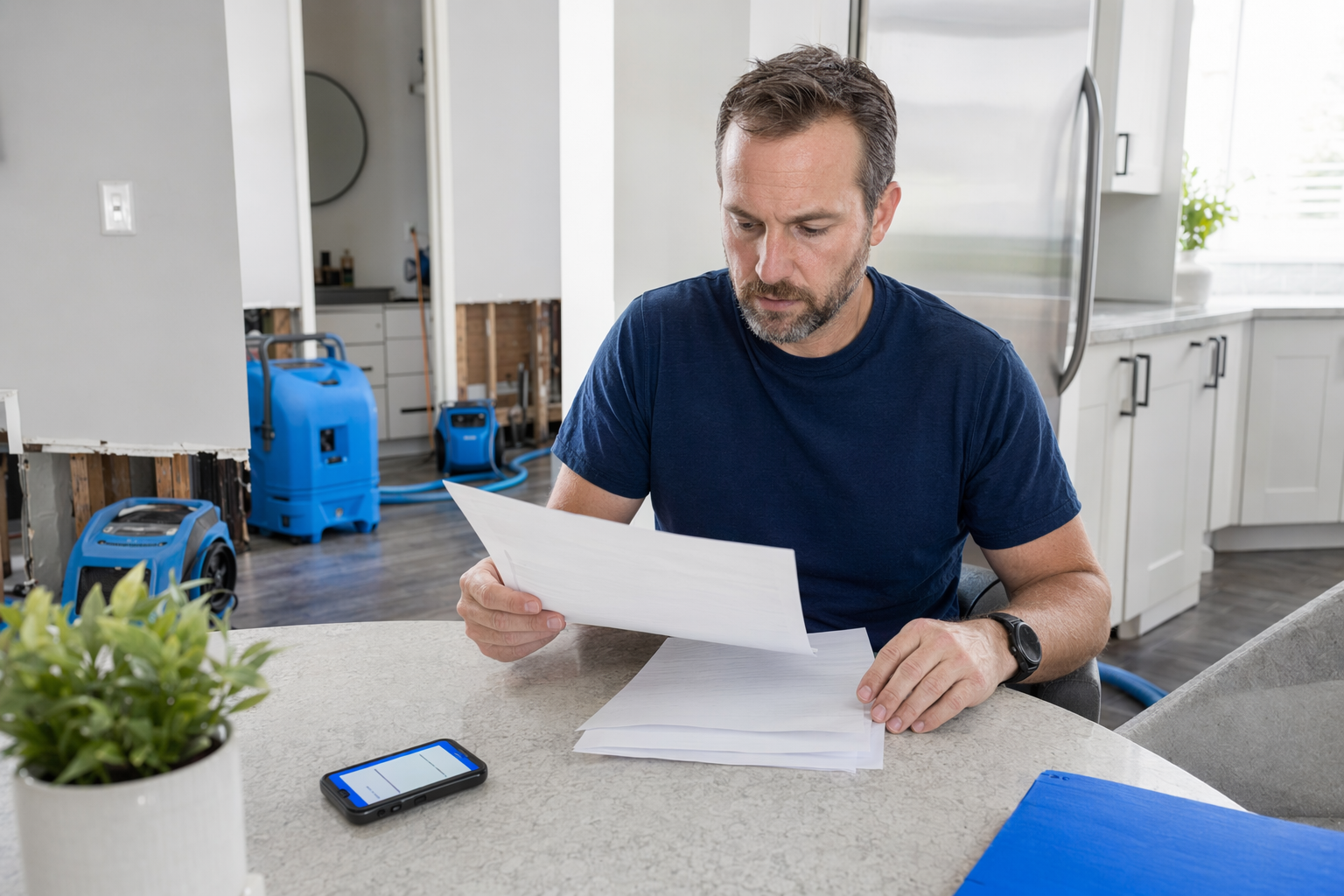
Costs are highly case-specific. Typical planning estimates can help you budget, but they’re not guarantees. For example, emergency extraction is often roughly $400–$2,000, structural drying of a room or two often roughly $1,500–$5,000, and whole-home restoration can range from roughly $3,000–$25,000+ depending on the scope. Mold remediation (if needed) is often roughly $1,500–$6,000. Your real total depends on the amount of water, what materials were affected, your building, and your local market.
Insurance rules and coverage vary by state and your policy. In general, document the damage early, keep receipts for out-of-pocket emergency steps you paid for, and ask your insurance about next steps. For anything contaminated (for example, sewage backup or flood water), treat it as contaminated and follow safety guidance. If there’s any immediate life-safety threat, contact your local emergency number first.
When you contact a water-damage pro, ask for a written plan and scope that explains:
1. What type of water was involved (clean/gray/black—based on the source)
2. What they will do first (extraction) and what comes next (structural drying)
3. What areas/materials are included (walls, ceilings, floors, insulation, crawl space)
4. How they will monitor drying and when they consider it complete
DrySpan is free. We can help you find local pros to talk to—without you having to search alone: get matched.
- Use written scopes and avoid assumptions about price or timeline
- Insurance and rules vary—check your policy and state guidance
An example story (how someone handled it fast)
A renter noticed water coming from a ceiling seam after a upstairs pipe issue. The floor in one room felt wet and spongy, and the smell was starting to get noticeable. They shut off the water where they could and kept people away from the wet area.
In the same day, they used a first-hour checklist and contacted a local water-damage pro through DrySpan. DrySpan is a free matching service (not the contractor). The pro explained that the first priority was water extraction to remove the standing water, then structural drying to dry the wall cavity and flooring layers that weren’t fully visible.
The team provided a written plan describing what they would extract, what equipment they’d use for drying, and how they’d monitor moisture. The renter wasn’t left guessing about whether they needed “just cleanup” or a full drying process.
While the exact costs and timelines varied from their situation, acting quickly and getting a clear plan for both extraction and drying helped them move forward with confidence—one step at a time.
- Extraction first for standing water
- Structural drying next for moisture in materials
Water extraction removes standing water fast, and structural drying removes hidden moisture from walls and floors afterward—DrySpan helps you find the right local pro for both.
FAQ
Common questions
Do I need water extraction if the water already looks gone?
If there’s truly no standing water left, extraction may be limited or already completed. However, water can still be trapped in walls, floors, or insulation. That’s where structural drying matters. A pro can check moisture and confirm what’s needed.
How do I know if “drying” is actually happening, not just fans running?
Structural drying should include equipment designed for moisture removal (air movers and dehumidifiers) and monitoring to measure moisture levels. Ask what they will measure, where, and how they determine when drying is complete.
What’s the biggest mistake people make after water damage?
Delaying or skipping structural drying. Even when the surface looks dry, moisture can remain inside materials. Acting soon and getting a written plan that covers extraction plus drying helps reduce the risk of problems later.
Will insurance cover extraction and structural drying?
Many policies cover certain water-damage mitigation steps, but coverage depends on your policy language, the cause of the water, and state rules. Check your insurance and ask the pro for clear, itemized written documentation.
Is DrySpan a water-damage company that performs the cleanup?
No. DrySpan is a free matching and information service. We connect you with local water-damage restoration pros so you can get advice and an assessment from someone who can do the work.