Guides
What water-damage restoration costs — honest ranges
When water damage hits, you want a clear idea of cost and what comes next. DrySpan is a free matching service (not a contractor), and this guide shares typical US price ranges and what changes them.

Start with safety and quick action (cost depends on speed)
Water damage can spread into walls, floors, and belongings within hours. Acting soon often helps reduce how much must be dried and replaced later.
1. If water is near electricity, turn off power at the breaker if it’s safe to do so, and don’t enter standing water.
2. If it’s sewage or “gray/black water” (backup, toilets, drains), treat it as contaminated and keep people and pets away.
3. If there’s a life-safety threat (electrical hazard, active flooding you can’t stop, major structural risk), call your local emergency number first.
4. Stop the source of water if you can do so safely (for example, shut off a valve for a burst pipe). If you can’t, contact the right help immediately.
5. Begin documentation: take photos/video of visible water, damaged areas, and the source (where safe). This can help you when you speak with your insurance and restoration pro.
DrySpan can help you find a local water-damage restoration professional to assess the damage and explain options. Matching is free, and we are not the company that does the restoration work.
- If water is contaminated (especially sewage/flood water), it typically needs special handling and may increase costs.
Typical cost ranges in the US (estimates, not quotes)
Prices vary widely because every job is different: how much water there is, what it touched, building materials, cleanup needs, and local rates. The ranges below are “typical” planning estimates—your final cost depends on the inspection and scope of work.
Emergency water extraction (pumping and vacuuming standing water): commonly about $400–$2,000.
Structural drying (moisture removal from walls and floors using air movers and dehumidifiers): commonly about $1,500–$5,000 for drying a room or two.
Whole-home restoration: commonly about $3,000–$25,000+ when multiple areas, heavy materials, or extensive repairs are involved.
Mold remediation (if mold is found and needs treatment): commonly about $1,500–$6,000.
In many cases, the work happens in phases: first extraction and drying, then inspection and any necessary repairs/cleanup. Some homes need more work once hidden moisture is discovered behind drywall, under flooring, or inside cabinets.
To get reliable pricing, request a written itemized estimate from a local pro after they inspect moisture levels and affected materials. You can start by browsing guides at /guides/ and then get matched to local options.
- These are planning estimates. Only an on-site assessment can produce a real, written quote.
What drives the price up or down
A quote is mostly a “scope” number: what needs to be removed, dried, and possibly repaired. Here are the main factors that change cost.
1. How much water and how long it sat: fast response often lowers drying time and replacement needs.
2. Water type: clean water from a supply line is usually less costly than flood water or sewage, which can require more protective steps and specialized cleanup.
3. What materials got wet: drywall, insulation, carpet padding, wood flooring, and furniture can hold moisture and may require removal or deeper drying.
4. Affected areas: a single bathroom is often less than an open-plan living area or multiple rooms.
5. Ceilings and walls: if water spread into cavities, the work may involve opening up sections to dry properly.
6. Drying complexity: basements, crawl spaces, and exterior walls can be harder to dry and may require more equipment.
7. Home condition and construction: plaster vs. drywall, older insulation, layered flooring, and ventilation differences matter.
8. Mold risk and “secondary damage”: if materials stayed wet long enough, mold may appear and increase remediation steps.
9. Access and safety needs: tight spaces, heavy debris, or hazardous conditions can raise labor and equipment time.
10. Local market and permitting rules: rates and requirements vary by city/state.
Because of these variables, two nearby homes with “similar” leaks can end up with different totals. The most helpful thing you can do is ask the pro to explain what they found, what they will do, and why—step by step—before work starts.
- Hidden moisture behind walls or under flooring is a common reason quotes change after the first visit.
Understanding common terms (so quotes make sense)
US restoration estimates use a few standard terms. Here’s what they usually mean in plain language.
Water extraction: pumping and vacuuming standing water out quickly. This is often the first step after the source is stopped.
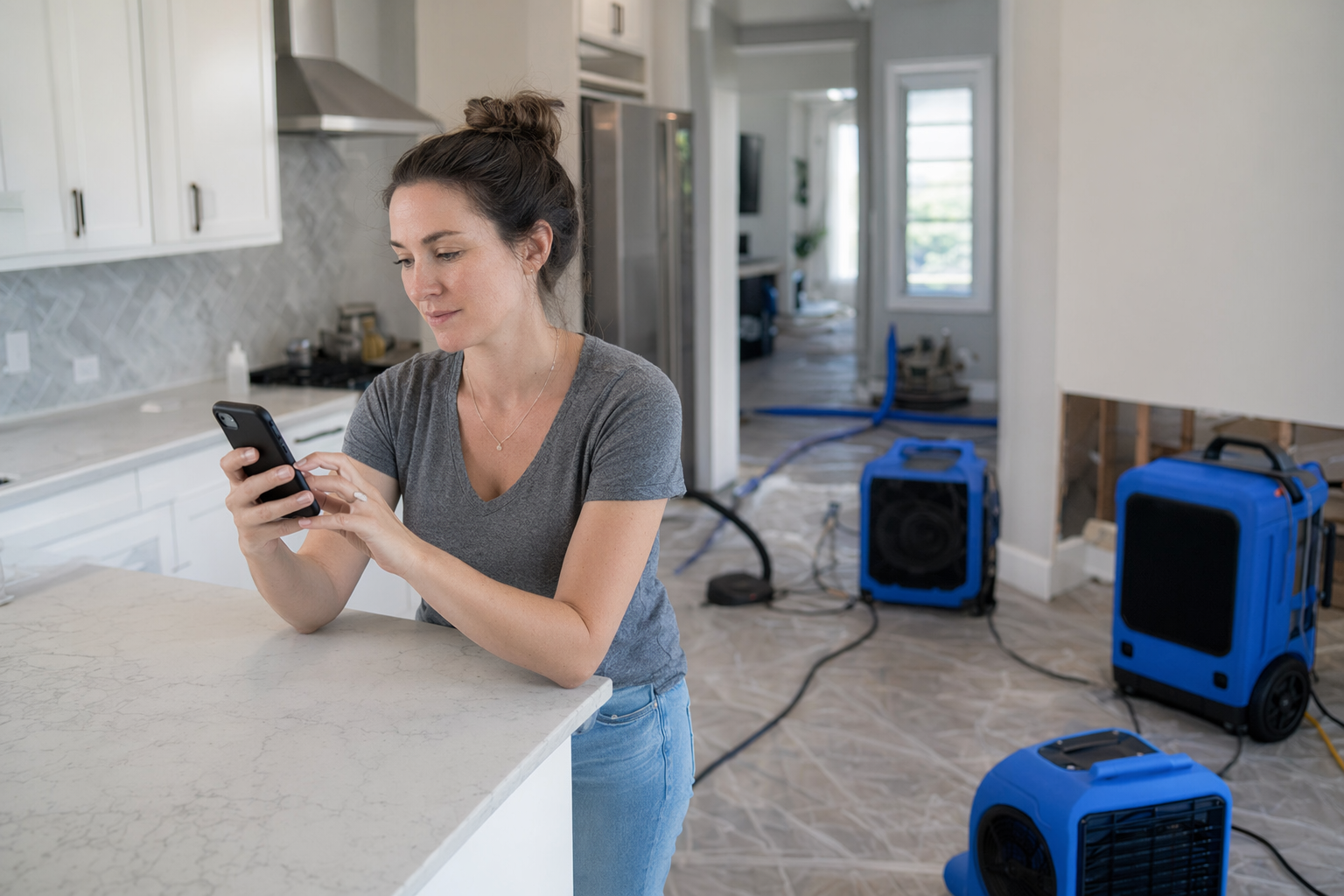
Structural drying: pulling moisture out of building materials after extraction. Pros typically use air movers (fans) and dehumidifiers, and they monitor moisture levels over time.
Cleaning and sanitizing: removing contamination from surfaces, especially with flood water or sewage. This may involve specialized cleaners and protective equipment.
Removal and disposal: if materials can’t be dried safely (for example, heavily saturated drywall/insulation), they may be taken out and disposed of.
Deodorization: sometimes used after contaminated water events or strong odors; it’s not the same as mold treatment.
Mold remediation: the process of addressing mold growth after it’s identified. Many jobs require both cleaning and correcting the moisture problem so mold doesn’t return.
If you’re unsure what a line item means, ask for a plain-language explanation. A good pro should be able to explain the scope clearly. DrySpan is here to help you find local options and learn what questions to ask—without doing the restoration work ourselves.
- Drying is not just “airing out.” It usually requires dehumidifiers and monitoring moisture levels.
How to compare quotes and avoid surprises
A quote can look confusing, especially when you’re stressed. A few practical steps can help you compare offers more fairly.
1. Ask what’s included in the written estimate. Does it include extraction, drying equipment, removal/disposal (if needed), and any follow-up monitoring?
2. Ask how they will measure drying progress. For example, what moisture levels they will monitor and how they decide when the job is complete.
3. Ask what might change later. Hidden damage can be discovered after drying begins; a transparent pro will explain likely triggers for changes.
4. Ask for itemized line items. This makes it easier to see what you’re paying for.
5. Request a clear start plan. Even if timing varies, you want a reasonable plan for extraction and drying right away.
6. Get everything in writing. Verbal promises are hard to verify.
7. Confirm insurance communication (if applicable). You can ask the pro how they document damage and support the process. Rules vary by policy and state.
Remember: cost “guarantees” are rare because restoration scope can change as conditions are discovered. If someone promises a fixed total regardless of findings, that’s a red flag.
If you want help finding local pros quickly, DrySpan can match you with options in your area. Matching is free and you remain in control of who you choose.
- Best practice: prioritize a written, itemized plan and clear explanation over the lowest number.
Insurance and coverage basics (general info only)
Many people wonder whether insurance will pay for water-damage restoration. Coverage rules vary by state and by the specific insurance policy, so there’s no single answer.
In general, insurers often look at things like the cause of the water damage, whether it was sudden (for example, a burst pipe) versus gradual, and whether the homeowner/renter took reasonable steps to minimize damage after the event.
Here are practical tips that are still helpful even if you’re unsure about coverage:
1. Document the damage early (photos/video, where water came from, dates/times).
2. Keep receipts for out-of-pocket expenses related to mitigation (only if applicable and permitted by your policy).
3. Tell your insurer promptly and ask what they need from you.
4. Get a written scope from a local pro so you can compare it with what your insurer is asking for.
DrySpan can’t advise you on insurance coverage or give legal advice. We can help you understand the kinds of work that typically happen and connect you with a local restoration professional for an inspection and written estimate.
- Coverage decisions can differ for sudden leaks, storms, and sewage backups—read your policy or ask your insurer for details.
Water-damage restoration typically costs money for extraction, drying, and sometimes mold work, and the total varies a lot by water type, how long it was present, and what materials got affected.
FAQ
Common questions
Is mold always part of water-damage restoration costs?
Not always. Mold usually depends on how long materials stayed wet, the building materials involved, and environmental conditions. If mold is found and needs remediation, it adds steps and cost. A local pro can assess conditions and explain whether mold treatment is necessary.
Why did one quote come in much higher than another?
Differences usually come from scope: how much water is extracted, what materials need removal, how complex drying is (walls/ceilings/crawl space), whether the water type was contaminated, and whether the estimate includes monitoring equipment and follow-up checks. Always compare written, itemized estimates.
Can I get a firm price right away?
Usually not. Many factors are only clear after an inspection and moisture evaluation. Expect “planning estimates” and then a written quote based on what the pro finds. Ask what could change if hidden damage is discovered.
What should I ask a restoration pro before they start?
Ask what they will do first (extraction/drying), how they will measure drying progress, what is included in the written scope, what might change later, and whether the water type is considered contaminated (especially for sewage/flood water).
Is DrySpan a restoration contractor?
No. DrySpan is a free matching service that helps you find a local water-damage restoration professional and learn what to ask. The restoration work is performed by participating local pros.