Services
Mold prevention — stopping mold before it starts
Mold can begin growing within 24–48 hours after water damage, so the first steps matter. DrySpan is a free matching service that helps you find a local water-damage pro who can check moisture, dry materials, and reduce mold risk.
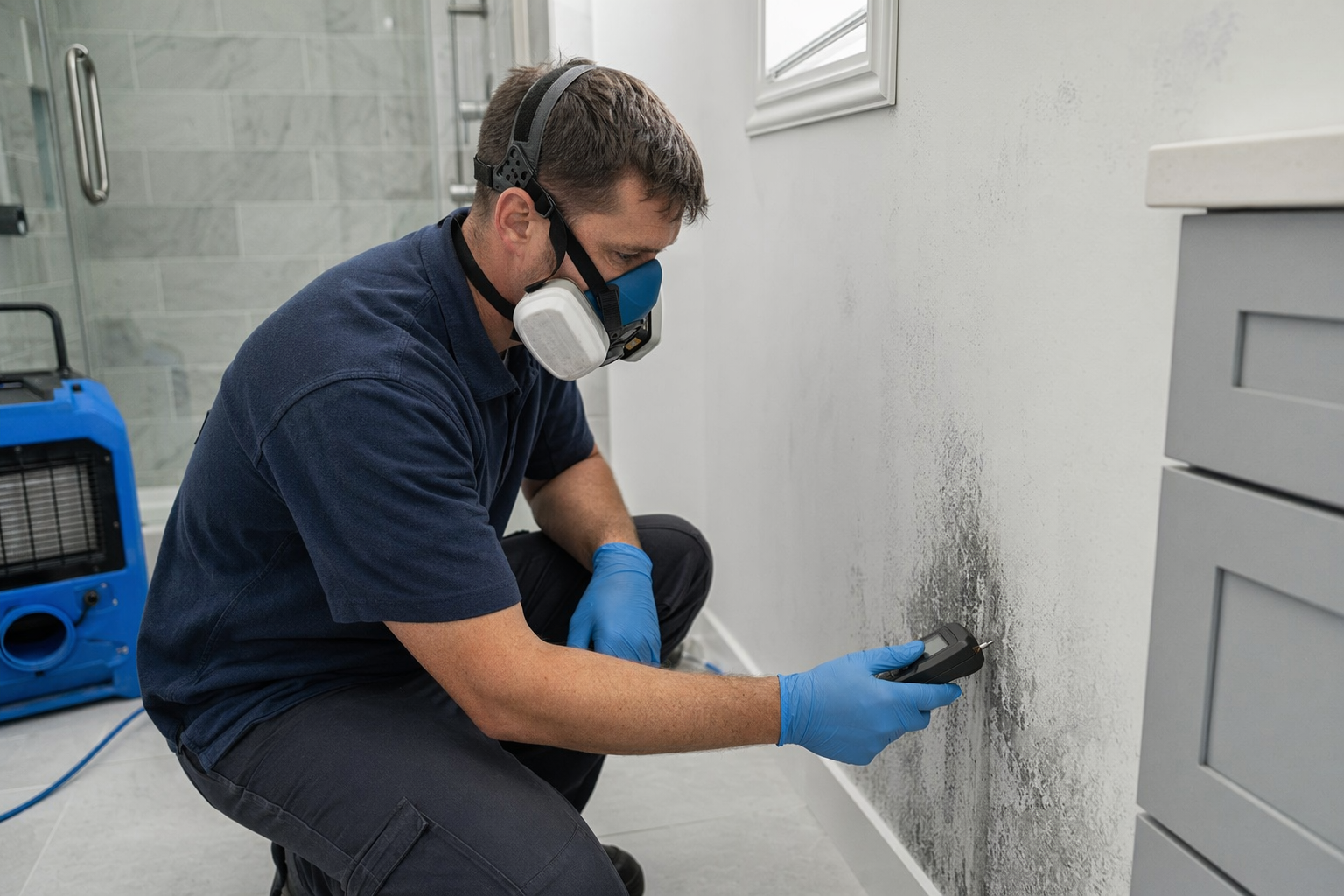
What mold prevention means after water damage
Mold prevention is the work that helps stop damp materials from becoming a bigger problem. In plain words, it means getting the water out, drying the space, and checking for hidden moisture in walls, floors, insulation, and other materials.
This is not the same as full mold remediation. Mold remediation means cleaning and removing mold that has already grown. Prevention is about acting early, before growth spreads.
If you have standing water, wet drywall, soaked carpet, or damp insulation, it helps to move quickly. Water can spread into walls and under floors, even when the surface looks dry.
What to do in the first hour
If the water is still coming in, stop it if you can do so safely. If there is any chance of electrical danger, stay out of standing water and call your local emergency number for a life-safety threat.
1. Turn off the source of water if it is safe to do so.
2. Keep people and pets away from wet areas, especially if sewage or flood water is involved.
3. Move small dry items out of the wet area.
4. Take quick photos for your records if it is safe.
5. Start drying air with fans only after the water source is controlled and the area is safe.
6. Use first-hour steps for a simple checklist.
If the water came from a sewer backup, river flooding, or contaminated storm water, treat it as contaminated. Do not try to clean porous items unless a pro tells you they can be saved.
How pros prevent mold growth
A restoration pro may start with water extraction, which means pumping and vacuuming standing water out fast. Then they may do structural drying, which means using air movers and dehumidifiers to pull moisture out of walls, floors, and other building materials.
They may also use moisture meters and thermal tools to find hidden wet spots. That matters because mold often starts where people cannot see it, such as behind baseboards, under flooring, or inside wall cavities.
A good plan usually includes drying, monitoring, and a follow-up check. If materials stay wet too long, some items may need to be removed instead of dried.
When mold remediation may be needed
You may need mold remediation if you already see mold growth, smell a strong musty odor that does not go away, or find materials that stayed wet for too long. A pro can tell you whether a surface can be cleaned or whether it needs removal.
Typical planning ranges in the US, varies a lot by city, size, and damage: emergency water extraction is roughly $400-$2,000; structural drying of a room or two is roughly $1,500-$5,000; whole-home water-damage restoration is roughly $3,000-$25,000+; mold remediation is roughly $1,500-$6,000. These are only estimates. Get it in writing.
The real price depends on how much water there was, what it touched, the type of property, and your location. Insurance coverage also varies by policy and by state.

How DrySpan helps you find the right pro
DrySpan is a free matching service, not a restoration contractor. We help connect property owners and renters with local water-damage restoration pros who may be able to respond in your area.
You can usually share only basic contact details, your ZIP or city, what happened, what language you prefer, and how to reach you. You do not need to share medical history, immigration documents, or government ID numbers.
If you want help in another language, that may often be available. You can start here: get matched.
A simple real-world example
A renter noticed a small ceiling leak after a storm. At first, the stain looked minor, but the drywall felt damp and the room started to smell musty. They turned off the water where they could, stayed away from the wet ceiling area, and asked for help quickly.
Through DrySpan, they were matched with a local pro who could inspect moisture, dry the room, and explain what should be watched over the next few days. The key was acting before the damp area had time to spread deeper into the wall.
If you want to understand services before you choose, see services or review common costs.
Dry the space fast, watch for hidden moisture, and get a local pro involved early if the damage is more than a small, clean leak.
FAQ
Common questions
How fast can mold start after water damage?
Mold can begin growing within 24–48 hours if wet materials are not dried. That is why early drying and moisture checks matter.
Can I just run a fan and hope it dries?
Sometimes fans help, but they are usually not enough by themselves. Hidden moisture inside walls, floors, and insulation often needs extraction, dehumidifiers, and monitoring.
Do I need mold remediation every time I have a leak?
No. A small leak that is dried quickly may not need remediation. If mold is already visible, the smell is strong, or materials stayed wet too long, a pro may recommend remediation.
Is DrySpan free?
Yes. DrySpan is free for property owners and renters who want help finding a local pro. Participating pros pay a flat fee to join the network.