Services
Sewage cleanup — handling Category 3 'black' water safely
Sewage or contaminated water is more than a mess. Treat it as a safety issue, keep people out of the area, and get help from a trained pro as soon as you can. DrySpan is a free matching service, not a restoration contractor.
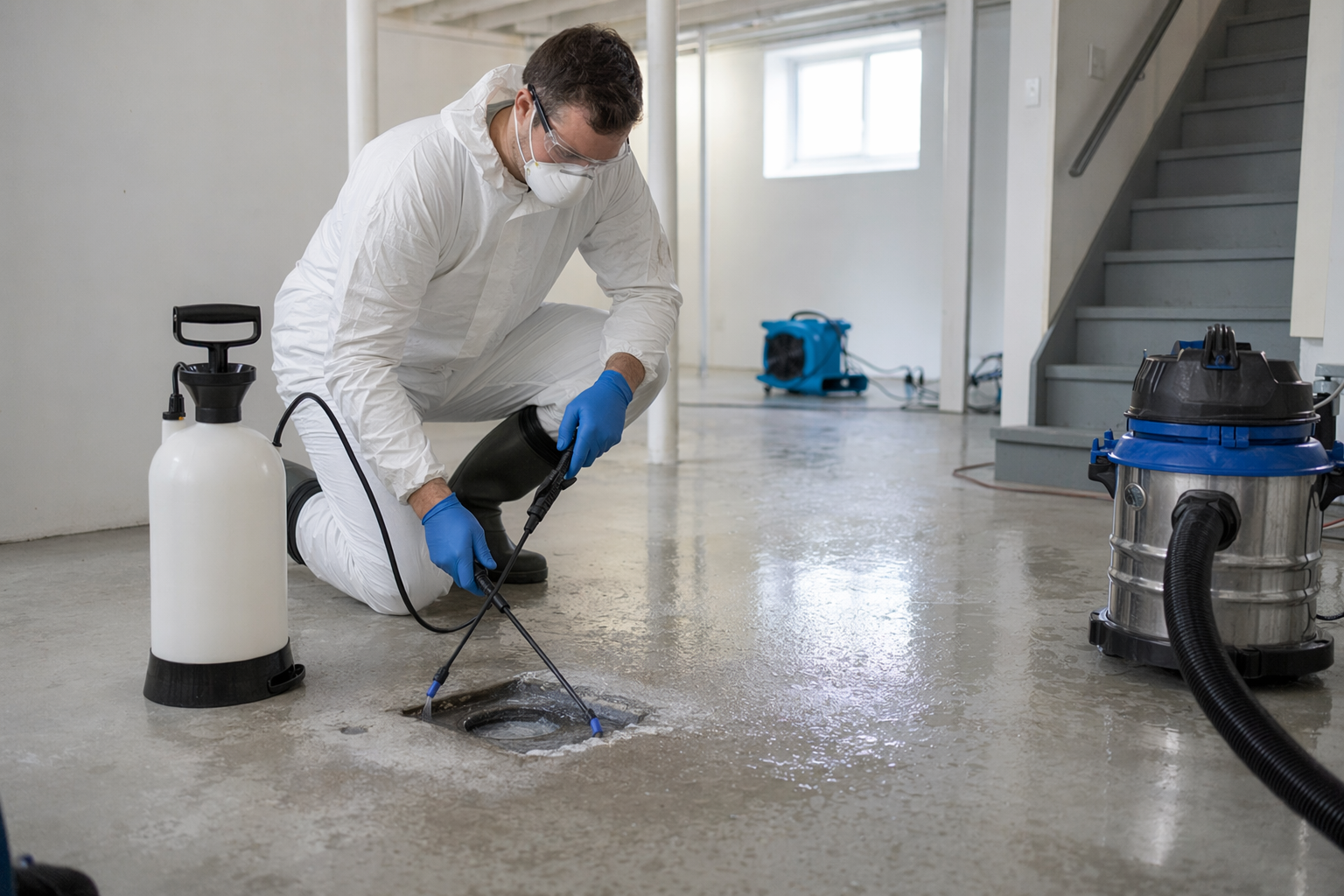
What Category 3 "black" water means
Category 3 water is sewage or heavily contaminated water. It can come from toilet backups, sewer line problems, floodwater that entered a home, or water that has picked up harmful bacteria and other contaminants.
This kind of cleanup needs special handling. Porous items like carpet, pad, drywall, insulation, and some furniture may need removal if they were soaked. A trained restoration pro can judge what can be cleaned and what should be discarded.
If you are not sure what you are looking at, assume it is contaminated and act carefully. When in doubt, keep distance and do not handle it bare-handed.
What to do in the first hour
If the water may be sewage or flood-contaminated, use this order:
1. Keep children, pets, and extra people away from the area.
2. Do not enter standing water if outlets, cords, appliances, or breaker boxes could be wet. If there is any life-safety danger, call your local emergency number first.
3. If you can do so safely, stop the source of water or shut off water to the affected area.
4. Do not use fans or HVAC in a way that could spread contamination through the home.
5. Avoid touching surfaces with bare skin. If you must go near the area, use basic protection like gloves and boots.
6. Contact a sewage cleanup or water-damage restoration pro for an inspection and written plan.
For a simple checklist, see first-hour steps.
How professionals handle sewage cleanup
A qualified cleanup team usually starts by making the area safe, then removing standing water. Water extraction means pumping and vacuuming out the water fast. After that, they may remove damaged materials that cannot be safely cleaned, clean and disinfect salvageable surfaces, and begin structural drying.
Structural drying means using air movers and dehumidifiers to pull moisture out of floors, walls, and other building materials. With sewage, the team also follows contamination controls so dirty water and debris are handled and disposed of properly.
They may also check hidden moisture behind walls, under flooring, and in baseboards. That matters because water can spread into materials within hours, even when the floor only looks wet on top.
What it may cost
Costs for sewage cleanup vary a lot by how much water there is, what it touched, how long it sat, and your city and state. These are typical planning ranges in the US, not quotes:
- Emergency water extraction: roughly $400-$2,000
- Structural drying for a room or two: roughly $1,500-$5,000
- Whole-home water-damage restoration: roughly $3,000-$25,000+
- Mold remediation, if needed later: roughly $1,500-$6,000
Sewage jobs can cost more because contaminated materials may need removal and special disposal. Get the scope and price in writing before work begins. For a fuller breakdown, see costs and common factors.

How DrySpan helps
DrySpan is a free matching service, not a restoration contractor. We help you connect with local water-damage and sewage cleanup pros who fit your situation.
You tell us general details like your ZIP or city, what happened, your preferred language, and how to reach you. We do not ask for medical history, immigration documents, government ID numbers, or other sensitive records.
We try to match people with vetted, insured local pros, and help is often available in the language you are most comfortable using. If you want to get started, use get matched or browse services.
A short real-world example
A renter found wastewater coming up through a basement drain after a heavy storm. They kept everyone out of the room, did not try to clean the carpet themselves, and used DrySpan to find a local cleanup company that could explain the plan in their language.
The pro removed the standing water, cut out damaged pad and drywall that could not be safely cleaned, then dried the space and gave the renter a written summary for the landlord and insurance claim. The important part was not speed alone, but getting the right kind of help for contaminated water.
Sewage cleanup is a safety job: keep people out, avoid contaminated water, and use DrySpan’s free matching service to find a local insured pro who can handle it correctly.
FAQ
Common questions
Can I clean sewage water myself?
Small splashes on hard, non-porous surfaces may be cleaned carefully, but full sewage cleanup is usually a job for trained pros. Contaminated water can contain bacteria and other hazards, and porous materials may need removal.
Do I need to leave the home?
Not always, but people should stay out of the affected area. If the contamination is widespread, the smell is strong, or the sewer backup affects multiple rooms, a pro can tell you whether temporary relocation is safer.
Will insurance pay for sewage cleanup?
Sometimes, but coverage depends on your policy, the cause of the damage, and your state. A restoration pro may document the damage for you, but you should check your policy and insurer rules directly.
How fast should cleanup start?
Soon is better, because water and contamination can spread into walls and floors within hours. Even if you cannot start work right away, getting a pro to inspect and plan the cleanup early can help limit damage.