Guides
Is your water damage an emergency? How to tell
Some water problems can wait a little. Others need help in hours because water spreads, soaks into materials, and can lead to bigger damage. Here is a calm way to judge the risk and decide what to do next.
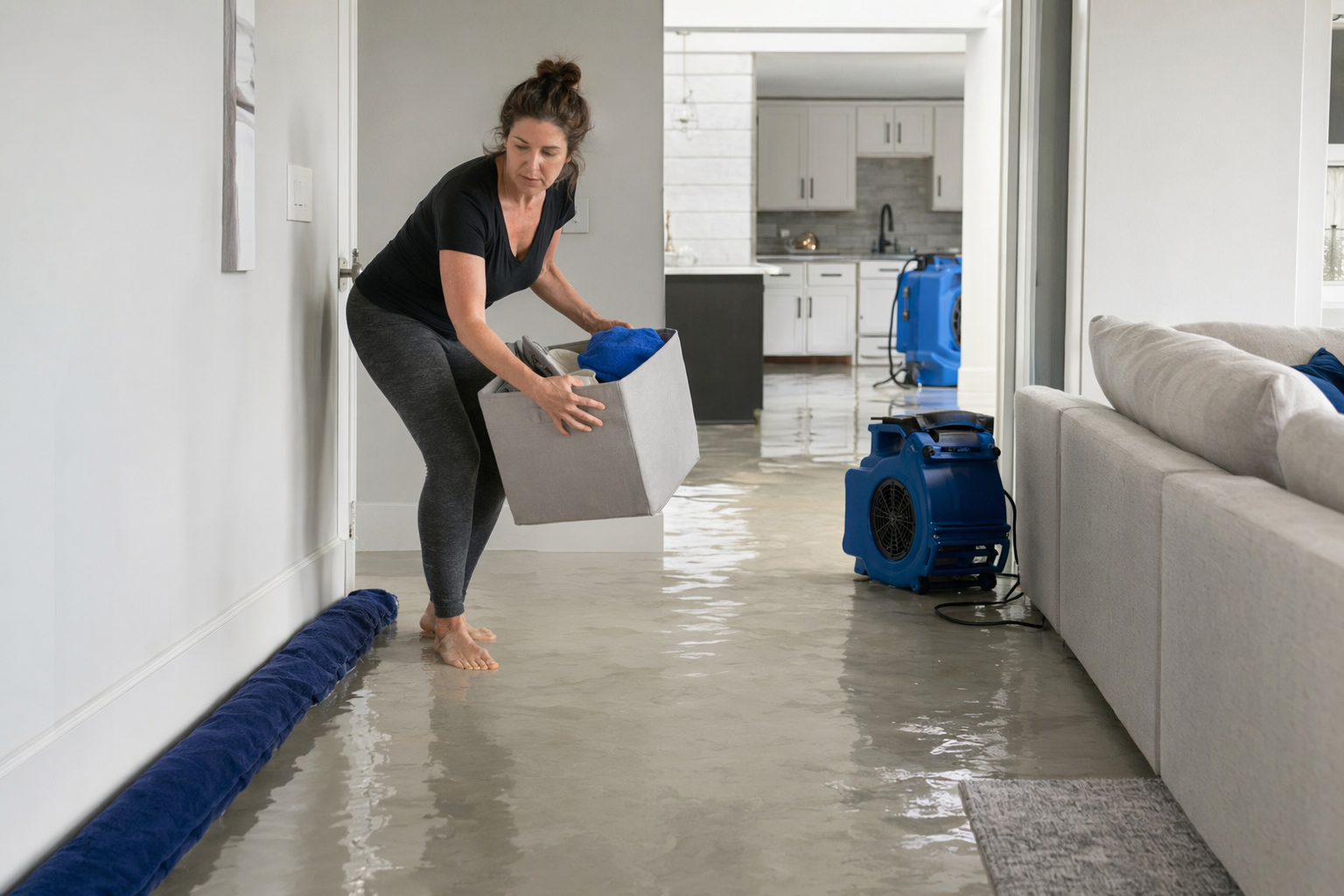
Start with safety, then look at the water
If there is any life-safety risk, call your local emergency number first. Do not step into standing water near outlets, appliances, or cords. If you smell gas, see sparks, or the ceiling is sagging, leave the area.
If the water came from a burst pipe, supply line, roof leak, storm, sewage backup, or a leaking appliance, the next step is to slow the source if you can do it safely. Then think about how fast the water is spreading and what it touched.
Water that is still flowing, pooling, or moving into walls, floors, or ceilings usually needs help soon. Water damage can become harder and more expensive to fix the longer it sits.
- Do not enter standing water near electricity.
- Treat sewage, storm, and flood water as contaminated.
A simple way to decide: emergency, urgent, or can wait a short time
Use this quick guide.
1. Emergency: water is actively pouring in, the ceiling is bulging, electricity may be involved, sewage is backing up, or part of the home feels unsafe. Call emergency help for any immediate danger, then contact a water-damage pro right away.
2. Urgent: water has stopped, but it soaked carpet, drywall, cabinets, wood floors, or insulation. You may need help within hours because hidden moisture can spread into walls and flooring.
3. Can wait a short time: a small, fully contained spill on a hard surface that you dried right away, with no sign it reached walls or under flooring.
When in doubt, assume it is at least urgent and get advice from a local restoration pro. DrySpan is a free matching service, not a restoration contractor.
- If the damage is inside walls or under floors, it is usually more urgent than it looks.
- If the water was dirty, the situation is more urgent even if the area looks small.
What makes water damage urgent
A few signs make water damage move from “watch it” to “act soon.” These include water coming through the ceiling, a wet subfloor, warped wood, wet drywall, damp insulation, a strong musty smell, or water that has reached more than one room.
Sewage backup is especially urgent because it can contain harmful germs. Floodwater is also treated as contaminated in many cases. Even clean water can become a bigger problem after a few hours if it soaks into hidden spaces.
A local pro can help with water extraction, which means pumping and vacuuming standing water out fast, and structural drying, which means using air movers and dehumidifiers to pull moisture out of walls and floors.
- Visible mold can appear later, but hidden moisture can start the problem now.
- Soft drywall, peeling paint, or buckling floors are warning signs.
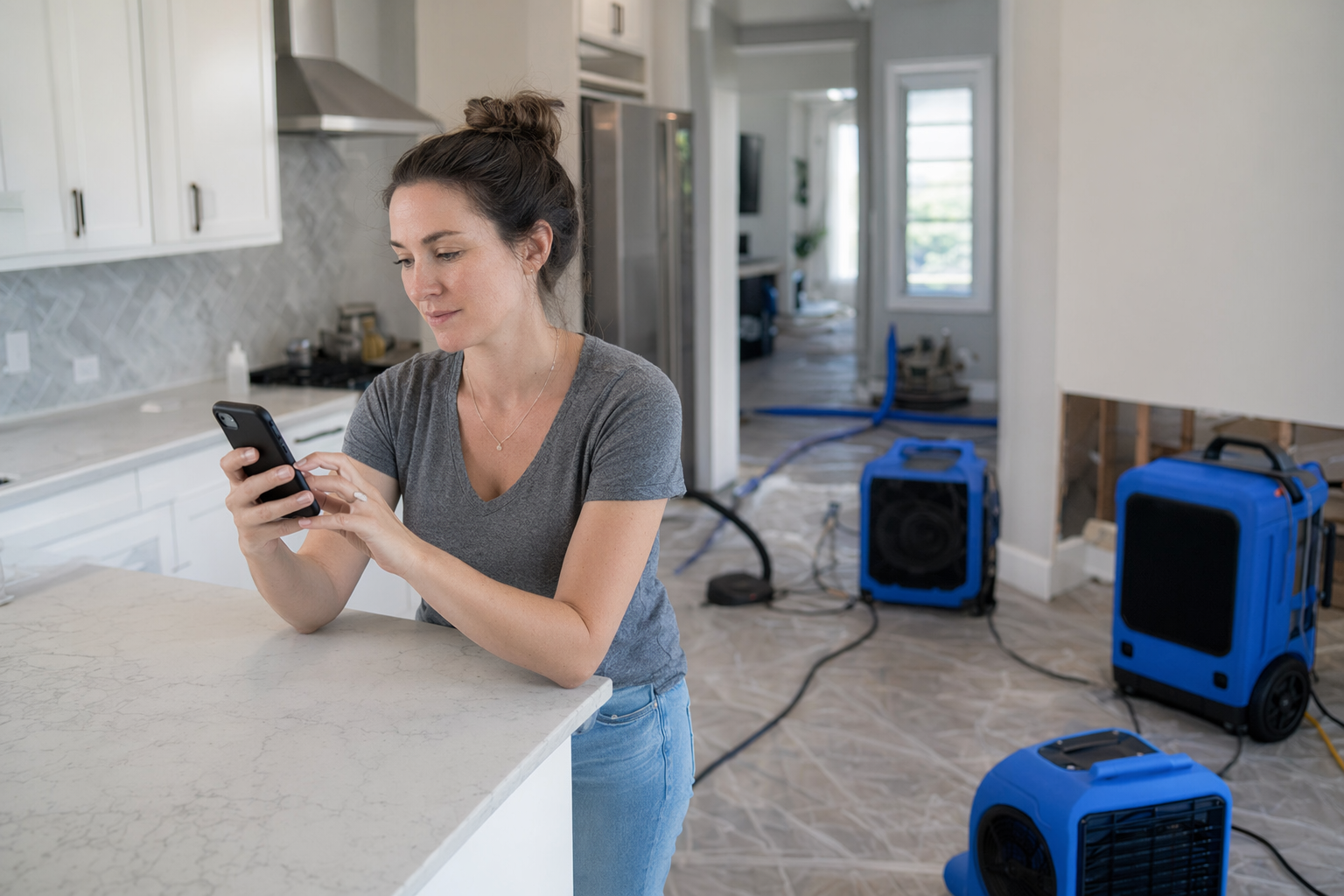
What to do while you decide
Take a few practical steps while you line up help.
1. If it is safe, stop the water source, such as turning off a valve or shutting off the main water supply.
2. Move people, pets, and valuables out of the wet area.
3. Take photos and short videos for your records.
4. Remove small loose items from the floor, but do not lift heavy wet carpet or tear out walls yourself.
5. Open doors or windows only if that is safe and the weather allows it.
6. Contact your insurance company if you have coverage, but remember policy rules vary by state and by policy.
If you need help finding someone local, get matched with a water-damage restoration pro. Matching is free, and help can often be found in your own language.
- Do not use regular household fans on sewage or flood contamination without guidance.
- Do not try electrical cleanup in wet areas unless power is safely off.
What repair costs often look like
Costs vary a lot by city, state, how much water entered, what it touched, and whether materials must be removed and replaced. These are typical planning ranges in the US, not quotes: emergency water extraction is roughly $400-$2,000; structural drying for a room or two is roughly $1,500-$5,000; whole-home water-damage restoration is roughly $3,000-$25,000+; mold remediation is roughly $1,500-$6,000.
The real price depends on hidden damage, the size of the area, the type of water, and how long it sat. Ask for the scope in writing before work starts, and ask what is included and what is extra.
If you want to learn how the process works, see our guides and services. DrySpan is free for property owners; participating pros pay a flat fee to join the network.
- Ask for itemized, written estimates.
- Be cautious of anyone who will not explain the work in plain words.
If water is still moving, near electricity, or dirty, treat it as urgent and get help soon; if it is small and fully contained, it may wait briefly while you dry it safely and document it.
FAQ
Common questions
If the water stopped on its own, do I still need help?
Maybe. If it soaked carpet, drywall, wood floors, cabinets, or insulation, hidden moisture can still cause serious damage. A local restoration pro can tell you whether drying is needed now or whether the area can be monitored.
Is sewage backup always an emergency?
Yes, it should be treated as urgent because it can be contaminated. Avoid direct contact, keep people and pets away, and get local help quickly.
Will insurance cover water damage?
Sometimes, but it depends on the cause and your policy. Coverage rules vary by state and policy, so report the loss promptly and ask your insurer what they need from you.
How fast does water damage get worse?
Often within hours. Water can move into walls, floors, and insulation quickly, which is why even a small leak can become a larger drying job if it is left alone.
Can DrySpan tell me if I have an emergency?
DrySpan can help you understand the situation and connect you with local water-damage pros. We are a free matching service, not a contractor, and we do not replace emergency responders or medical advice.