Guides
Hidden water damage: how to find it before it spreads
Water can hide behind walls and under floors, even after the leak stops. Here’s how to spot hidden moisture early, what moisture meters tell you, and how DrySpan can help you find the right local pro—free.
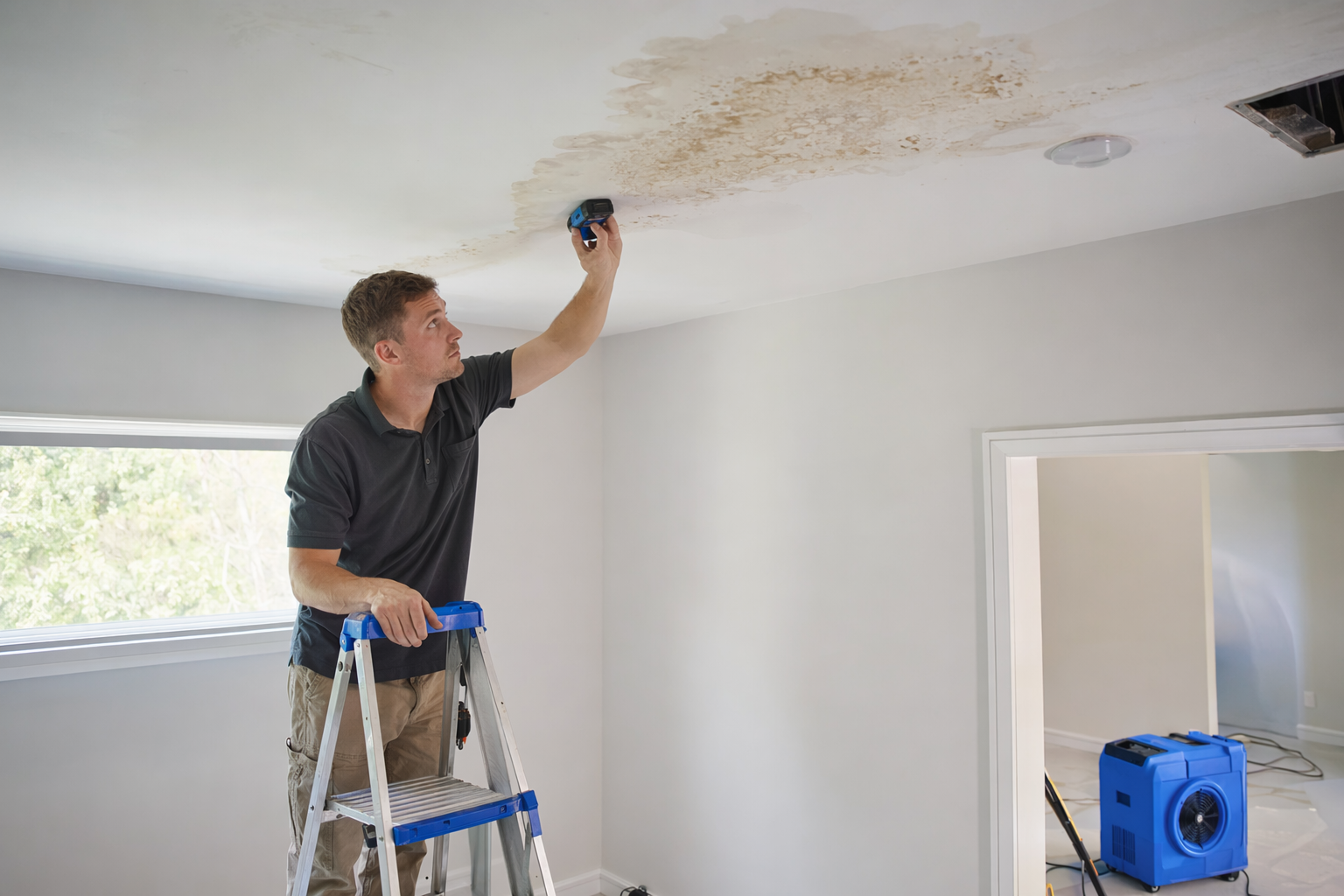
What “hidden water damage” looks like (and why it gets worse)
Hidden water damage is moisture that’s trapped inside building materials—behind drywall, under flooring, in ceilings, or around pipes—where you can’t see it right away.
Sometimes the leak is obvious at first (a wet ceiling spot or a dripping pipe). But in many homes, the water travels and soaks into materials before it shows clearly, or it disappears from sight once the visible leak stops.
Why this matters: moisture kept inside walls and floors can create conditions for mold. The worst mold problems often come from water that went undetected longer—not from the day the water first appeared.
If you suspect hidden moisture, focus on fast verification and professional drying guidance. DrySpan is a free matching service to help you find a qualified water-damage restoration pro—DrySpan does not do the restoration work.
- Act soon: water can spread into surrounding materials within hours.
Signs of hidden water behind walls and under floors
You may not see water, but you can still notice clues. Look for patterns that suggest moisture inside, not just surface wetness.
Common signs include:
1. Stains that grow or “come and go” on ceilings or walls. Dark rings or spreading discoloration can point to moisture traveling behind finishes.
2. Warped flooring, bubbling paint, or cracked drywall along seams. Even small changes can mean moisture is moving under the surface.
3. Musty odor, “damp basement” smells, or a persistent mildew smell. Odors can linger where water is trapped.
4. Efflorescence on masonry (white chalky deposits on concrete or brick). This can happen when water moves through surfaces and leaves salts behind.
5. Increased condensation on windows or cold surfaces. Condensation can be a clue of higher indoor humidity—sometimes caused by a leak.
6. Sounds or movement near plumbing (hissing, trickling) or repeated bathroom/kitchen “wet” periods.
If you’re treating sewage backup or flood water as contaminated, assume higher risk. Don’t try to “dry it yourself” while walking through or stirring up water. In life-safety situations, call your local emergency number first.
- Odors and stains that return after drying are red flags for hidden moisture.
How pros confirm hidden moisture (and what moisture meters can do)
When water hides in materials, the question is not “Is there moisture somewhere?” It’s “How much is in the materials, and where is it traveling?” That’s where testing and measurement come in.
A moisture meter is a tool that checks moisture levels in building materials like drywall, wood, and some flooring types. Moisture meters can help identify likely wet areas and track changes during drying.
But meters are not magic. Readings can vary based on material type, temperature, surface conditions, and where the sensor touches. That’s why good investigations usually combine meter checks with visual inspection, leak source assessment, and sometimes additional tools or probes.
What a careful approach looks like:
1. Identify the water source and stop it if possible (for example, shut off the supply valve if it’s safe and you can do it).
2. Inspect affected areas and surrounding materials, not just the visible stain.
3. Use moisture measurements to map where the moisture is—and where it isn’t.
4. Decide what needs to be dried first, and confirm drying progress with follow-up readings.
DrySpan can help you find a local pro who can assess your situation and explain their plan. You can start with /get-matched/ to connect with nearby options.
- Meters help find and track moisture, but results depend on material and technique.
Why hidden water causes the worst mold problems
Mold doesn’t usually appear instantly after a leak. It typically becomes a problem when moisture stays in the building materials long enough.
Hidden damage creates two common issues:
First, materials like drywall, insulation, subflooring, and wood can stay damp where air doesn’t circulate well. Even if the room looks “mostly dry,” moisture can remain inside layers.
Second, if moisture spread was not recognized early, the affected area can be larger than expected. That can lead to delays in drying, which increases the chance of mold and damage that’s more extensive.
If you’re already seeing mold, or you smell strong mildew and suspect water behind walls or under floors, treat it as an “investigate and dry correctly” situation. In many US locations, professionals will also discuss mold remediation separately from water-damage drying, because they are related but not identical tasks.
General cost planning (varies a lot by location and scope):
- Emergency water extraction - pumping/vacuuming standing water fast: typically about $400–$2,000
- Structural drying (drying a room or two with air movers/dehumidifiers): often about $1,500–$5,000
- Whole-home restoration after significant damage: roughly $3,000–$25,000+ (varies widely)
- Mold remediation: often about $1,500–$6,000
These are typical ranges, not quotes. Ask for a written estimate and itemized explanation.
- Hidden moisture is often the root cause behind mold that seems to “arrive later.”
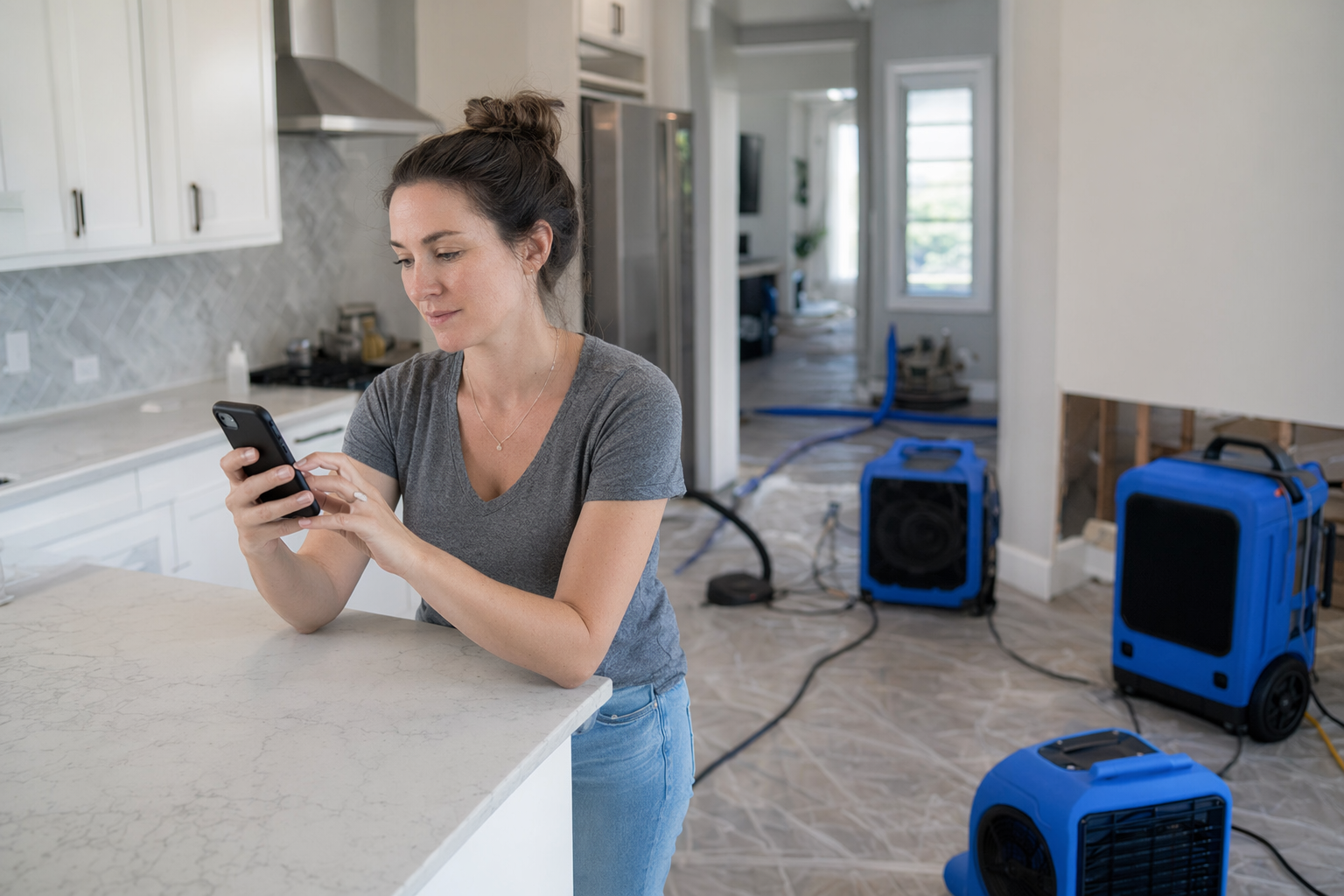
What to do now if you suspect hidden water (a calm checklist)
If you think water is trapped behind walls or under floors, your goal is to reduce further damage and get accurate information.
1. Keep safety first. Do not step into standing water near electrical outlets, cords, or appliances. If flood/sewage water is involved, treat it as contaminated and avoid contact.
2. If the source is still active, stop it if you can do so safely. For example, shut off the water supply valve for a leak. Then unplug or turn off power to affected circuits if you can do it safely.
3. Don’t assume a room “looks dry” means it’s dry inside. Hidden moisture can remain after visible water is gone.
4. Document what you see. Take clear photos of stains, wet areas, and where water appeared. This can help your insurance process later, but it’s for your records—not for us to file anything.
5. Contact help for assessment and drying. DrySpan is a free matching service, not a contractor. Use /services/ to learn about the kinds of help people get, and /get-matched/ to connect with a local pro.
6. Get details in writing. Ask what they will measure, how they’ll decide the affected area, and how they’ll verify drying progress. Avoid vague promises.
If you’re not sure whether you have a life-safety issue (for example, active electrical hazards or significant sewage), contact local emergency services first.
- Visible dryness is not proof—hidden moisture needs investigation.
DrySpan can help you find the right local pro (free)
Hidden water damage is stressful because you can’t see what’s happening inside walls or under floors. The most helpful next step is usually a proper assessment and drying plan based on evidence.
DrySpan is a free matching service for property owners and renters in the US. We help you find a qualified water-damage restoration pro in your area who can assess moisture conditions and explain a drying approach. DrySpan does not provide restoration work, plumbing services, or government services, and we don’t give insurance or legal advice.
To get started, go to /get-matched/ and share what happened (for example: burst pipe, leak, storm, or suspected hidden moisture), your city/ZIP, and what language you prefer. Matching is free for you.
If you want background reading, explore /guides/ for practical checklists and plain-language explanations you can use right away.
- Free matching service: connect with local water-damage restoration pros.
Hidden water damage can sit inside walls and floors unseen, so look for warning signs, understand how moisture meters guide the investigation, and use DrySpan’s free matching to find a local pro for assessment.
FAQ
Common questions
If the leak stopped, do I still need to worry about hidden water damage?
Yes. Water can soak into drywall, insulation, and subflooring and keep spreading even after the visible leak stops. A professional assessment (often using moisture meters and inspection) helps confirm how much moisture remains and where it is.
How do moisture meters help with hidden damage?
Moisture meters estimate moisture levels in materials and can help map likely wet areas behind surfaces. They’re a useful tool, but readings depend on material type and technique, so good investigations typically combine meter data with inspection and follow-up measurements.
What should I ask a water-damage pro if I suspect moisture behind walls?
Ask how they will find the affected area (not just the visible stain), what they will measure, and how they will verify drying progress. Request a written estimate and clarification of what is included before work begins.
Will insurance always cover hidden water damage?
Coverage depends on your policy and your state’s rules, and it varies by what caused the water and what documentation you have. DrySpan is not an insurance provider and can’t predict coverage, but we can help you connect with a local pro who can assess and explain the scope of damage.
What are typical costs for water damage and mold-related work?
Typical US planning ranges vary widely by location and scope: emergency water extraction often runs about $400–$2,000; structural drying of a room or two about $1,500–$5,000; whole-home restoration roughly $3,000–$25,000+; and mold remediation about $1,500–$6,000. Get any price in writing; ranges are not guarantees or quotes.