Guides
Mold after water damage: spotting it and stopping it
Mold can start after water damage when wet materials stay damp. Here is the plan: dry the area fast, watch for hidden moisture, and get help if the damage is more than you can safely handle.
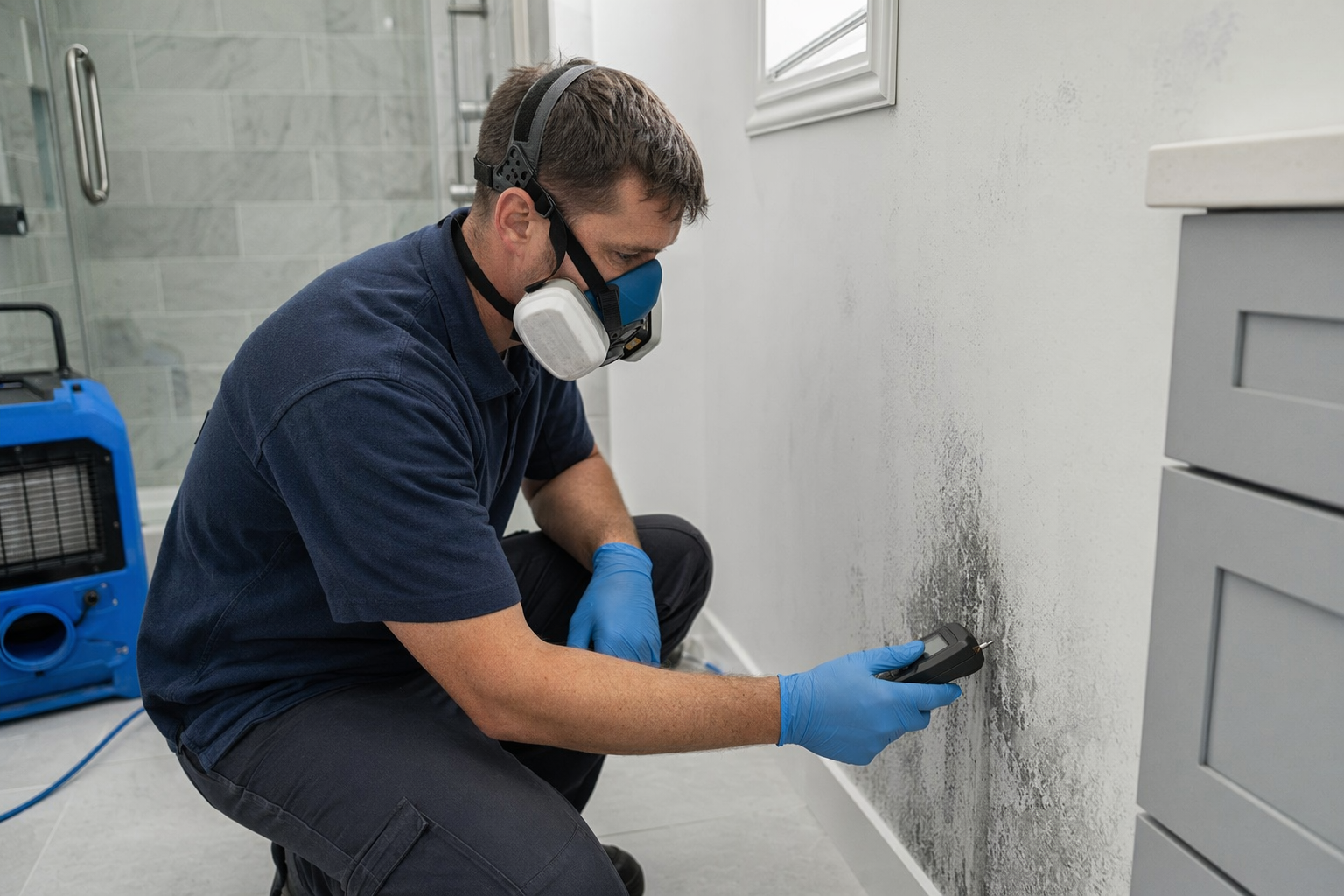
What mold is, in plain words
Mold is a type of fungus that grows in damp places. After a leak, flood, burst pipe, or sewage backup, it can grow on drywall, carpet, wood, insulation, and dust if those materials stay wet.
It often starts in places you cannot see right away, like inside walls, under flooring, behind cabinets, or in an attic after a roof leak. A musty smell is a common clue, but not proof by itself.
The main goal is simple: remove the water, dry the materials, and get rid of anything that cannot be cleaned and fully dried. DrySpan is a free matching service, not a restoration contractor.
- Mold likes moisture, time, and material to feed on.
- Hidden water often matters more than what you can see on the surface.
What to do in the first 24 hours
1. If water is near outlets, cords, or the breaker box, stay out of standing water and call your local emergency number or an electrician if there is an immediate life-safety risk.
2. Stop the source of water if you can do so safely, such as shutting off the main water valve.
3. Remove standing water with mops, towels, a wet vacuum, or a pump if it is safe and you have one.
4. Open windows and run fans and a dehumidifier if electricity is safe to use.
5. Move dry items out of the wet area.
6. Take simple photos for your records before cleanup if you can do that safely.
If the water is from sewage, toilet backup, or floodwater, treat it as contaminated. Do not keep porous items that were soaked unless a qualified pro says they can be cleaned and dried.
- Water spreads into walls and floors within hours, so faster drying helps.
- If you smell sewage or see floodwater, treat it as contaminated water.
How to spot mold before it gets worse
Look for visible spots that are black, green, white, or fuzzy. Also watch for peeling paint, warped drywall, stained ceiling patches, soft flooring, and a lingering damp smell.
Check the places mold often hides: behind baseboards, under sinks, under carpet edges, inside cabinets, around windows, and near the bottom of walls after a flood or leak. If the same area stays damp again and again, mold can return.
A small cleanable patch on a hard surface may be handled with careful cleaning and drying. If mold covers a large area, keeps coming back, or is inside walls or insulation, that is usually a sign to look at remediation, which means removing moldy material and addressing the moisture source.
- Musty smell + past water damage = check carefully for hidden dampness.
- Soft drywall, bubbling paint, and warped floors can point to trapped moisture.
Health basics and when to be extra careful
Many people notice no symptoms at all. Some people may have eye, nose, throat, or breathing irritation, especially if they are sensitive to mold or dust.
If anyone in the home has asthma, severe allergies, a weakened immune system, or trouble breathing, be more cautious around moldy areas and dusty cleanup. Keep kids and pets away from the damaged space until it is dry and safe to use.
If there is a strong odor, visible growth over a larger area, or the cleanup would mean cutting open walls or handling contaminated materials, it is safer to get an experienced local pro.
- This is general information, not medical advice.
- If symptoms are severe or breathing is hard, seek urgent medical help right away.
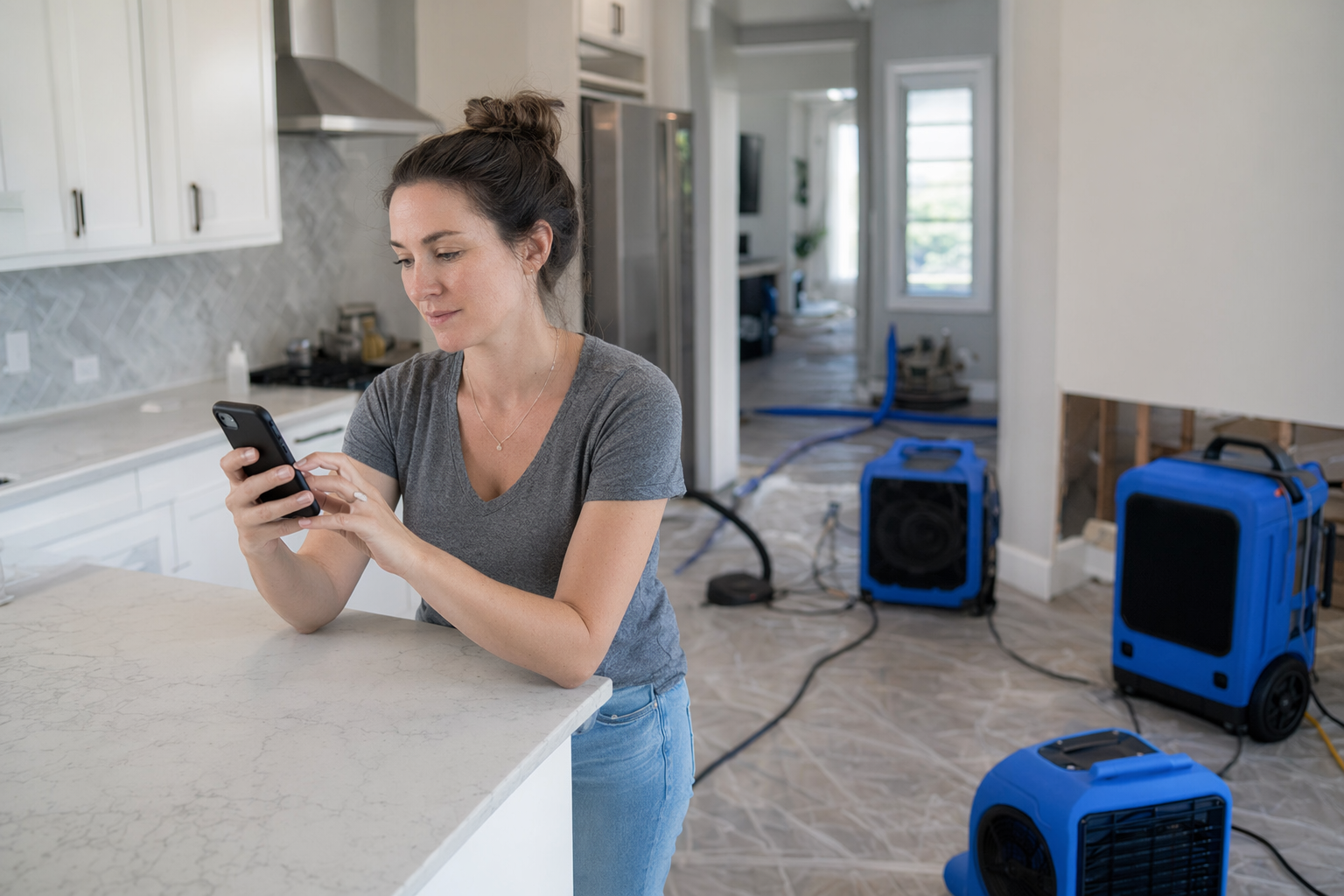
What remediation means and what it may cost
Remediation means dealing with moldy materials and the water problem that caused them. It can include containment, removal of damaged drywall or flooring, cleaning salvageable surfaces, structural drying, and checking hidden moisture.
Typical planning ranges in the US, varies a lot by city, state, home size, and how far the water spread: emergency water extraction is often about $400-$2,000; structural drying of a room or two is often about $1,500-$5,000; whole-home water-damage restoration is often about $3,000-$25,000+; mold remediation is often about $1,500-$6,000. Get it in writing, and remember these are estimates, not quotes.
Insurance coverage depends on your policy and the cause of the damage. Coverage rules vary by state and by policy, so it helps to ask your insurer what is covered and what documentation they want.
- Real price depends on how much water there was and what it touched.
- A written inspection or estimate is more useful than a phone guess.
How DrySpan can help you find the right local pro
If you need help, get matched with a local water-damage restoration pro. DrySpan is free for property owners, and we can often help people find pros who speak their language.
You do not need to share medical history, immigration documents, or government ID numbers. The form only asks basic contact intent, your ZIP or city, what happened, your language, and how to reach you.
One homeowner we helped had a ceiling leak that soaked a bedroom and closet. They used DrySpan after the water stopped, got connected with a nearby pro who explained the next steps in their preferred language, and was able to arrange an inspection and drying plan quickly. That kind of matching can make the next step easier when everything feels overwhelming.
- Matching is free.
- You can start with a simple description of the leak, flood, or backup.
Dry the water fast, check hidden damp spots, and if the damage is bigger or contaminated, use DrySpan to find a local restoration pro for free.
FAQ
Common questions
How fast can mold start after water damage?
Mold can begin growing in as little as 24 to 48 hours if wet materials stay damp. That is why drying quickly matters, even if the area looks small.
Can I clean mold myself?
You may be able to clean a very small amount on a hard, non-porous surface if the area is safe and fully dry afterward. If the mold is on drywall, carpet, insulation, or a larger area, it is usually better to get a qualified pro.
Does a musty smell always mean mold?
Not always, but it often means moisture is trapped somewhere. If you smell it after a leak or flood, check for hidden wet materials and damage behind walls or under floors.
Will my insurance pay for mold damage?
Sometimes, but it depends on your policy and what caused the water damage. Coverage rules vary, so contact your insurer and ask what they need for a claim.