Guides
Clean, gray, and black water: the 3 categories explained
Clean, gray, or black—water damage can be very different. Learn what each category means for safety, what cleanup usually involves, and what may be saved, so you can act with confidence.

The 3 water categories (and why they matter)
In the US, water damage is often grouped into three categories based on how contaminated the water is. The category helps guide safety steps, the type of cleanup, and what restoration pro teams typically do.
DrySpan is a FREE matching + information service, not a restoration contractor. We can help you find a local water-damage restoration pro after water damage, and we can point you to what questions to ask.
If water is actively spreading, time matters. Water can move into drywall, insulation, and floors within hours—especially from leaks, floods, or sewage backups.
Category 1: Clean water (lowest risk)
Category 1 water is generally considered “clean.” It comes from sources like a burst pipe, plumbing leak, or some appliance failures that do not involve sewage. It may still cause damage, but it’s usually not contaminated.
What this usually means for action:
1. Stop the source of water if you can do so safely.
2. Begin water extraction (pumping and vacuuming standing water out fast).
3. Start structural drying (pulling moisture out of materials with air movers and dehumidifiers).
What can often be saved: Many building materials can be dried and restored if the water is addressed quickly. The exact outcome depends on how long the water was present, the materials it touched, and local conditions like humidity.
Category 2: Gray water (moderate contamination)
Category 2 water is “gray.” It’s more contaminated than Category 1, but it is not considered sewage. Common examples include water from dishwashers, washing machines, or some sump pump situations where water has picked up more contaminants.
What this usually means for action:
1. Treat the area as potentially contaminated—avoid direct contact.
2. Use appropriate protection if you’re assisting (or wait for the restoration team if that’s safer).
3. Expect cleaning plus drying, not just drying.
Category 2 cleanup often involves more careful cleaning steps before or alongside drying. Restoration pros may also test materials and check airflow and moisture levels to prevent lingering dampness.
What can often be saved: Some items and surfaces can be saved, but porous materials may need to be removed if they soaked up contamination and can’t be cleaned thoroughly.
Category 3: Black water (highest risk)
Category 3 water is considered “black” and is the most dangerous. It typically involves sewage or water that has strong contamination. Examples include sewage backups, floodwater that may contain waste, or other situations where the source is clearly contaminated.
Safety first—especially here:
1. Do not enter standing water if you suspect electrical hazards. If there’s any doubt, stay out and call for help.
2. Treat sewage/flood water as contaminated. Keep people and pets away.
3. If there’s a life-safety issue (for example, no safe way to exit, major electrical danger, or heavy flooding), call your local emergency number first.
What this usually means for cleanup: Category 3 restoration usually involves specialized steps such as removing contaminated materials, thorough cleaning/disinfection processes, and controlled drying. The goal is to eliminate contamination and prevent mold growth.
What can often be saved: Some items might be salvageable, but category 3 often leads to more material removal. The right approach depends on what was touched, how deeply it absorbed, and how quickly the water was handled.
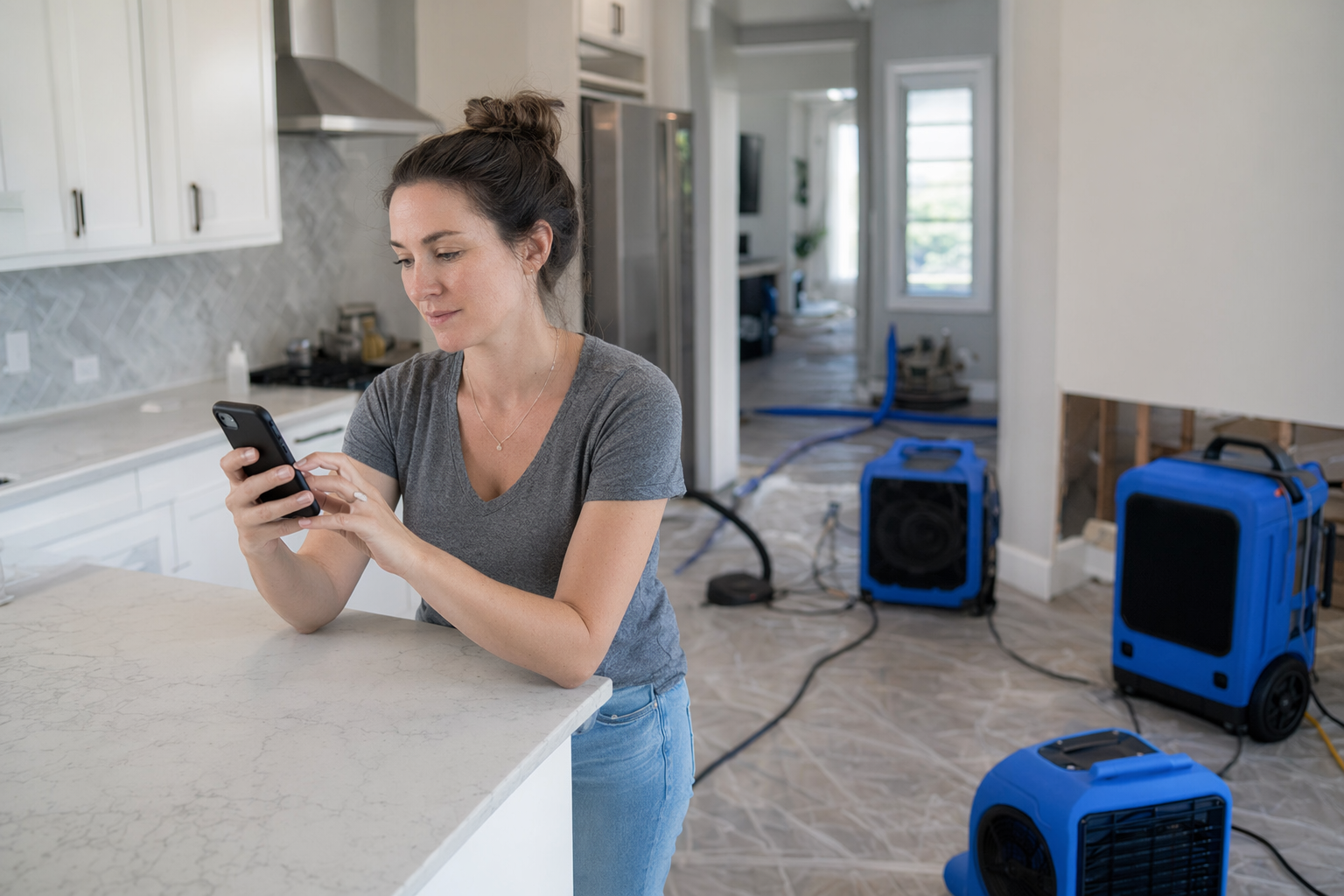
What restoration pros typically do for any category (plain-English terms)
Even though the category changes the risk level, many steps look similar. The main differences are how aggressively materials are cleaned, what needs removal, and what safety procedures are used.
Here are common terms you may hear:
- Water extraction: pumping and vacuuming the standing water out quickly.
- Structural drying: pulling moisture out of walls, floors, and other materials using air movers and dehumidifiers.
- Dehumidification: lowering humidity so damp materials dry faster.
- Cleaning and sanitizing: removing contamination from surfaces (exact methods vary by situation).
- Moisture mapping/testing: measuring moisture in building materials so drying is targeted and verified.
If you’re unsure what category applies, a local pro can inspect the source and materials. DrySpan can help you get matched with a local water-damage restoration pro—free for property owners.
Costs and coverage: what to expect (and how to talk to your insurance)
Pricing varies a lot. The category is only one factor—how much water there is, what it touched, how long it sat, building materials, and your city/state all change the cost.
Typical US planning ranges (not quotes):
- Emergency water extraction: roughly $400–$2,000
- Structural drying for a room or two: roughly $1,500–$5,000
- Whole-home water-damage restoration: roughly $3,000–$25,000+
- Mold remediation (if it becomes necessary): roughly $1,500–$6,000
Insurance rules also vary by state and by your policy. Coverage may depend on the cause of the water, whether it’s sudden or gradual, and what documentation you provide.
A practical next step:
1. Start with safety and stop the source if safe.
2. Document what happened (photos/videos, dates/times if possible).
3. Contact your insurance company to ask about the process for water damage claims.
4. Use DrySpan to get matched with a local restoration pro who can explain scope and next steps. DrySpan is free and not a restoration contractor.
An anonymized story: acting fast after floodwater (and finding the right pro)
A renter in a multi-unit building noticed water coming through the ceiling after a heavy rain. The first reaction was panic: the carpet was damp, and the living room smelled “earthy.” They stayed out of the pooled area and turned off power to the rooms they could reach safely.
They took photos, noted when it started, and called their landlord. While they waited, they used DrySpan to get matched with a local water-damage restoration pro. The pro asked questions about the source and inspected the area, explaining that the water likely fell under a higher contamination category because it wasn’t just a clean leak.
The team moved quickly with water extraction and structural drying, and they also talked through what might need removal versus what could be cleaned and dried. The renter felt better because they had a clear plan and could ask straightforward questions about scope and next steps.
Later, the renter worked with their insurance on the claim process. The key takeaway they shared with others: act early on safety and drying, and don’t guess—confirm the water category and needed steps with a qualified local pro.
Clean, gray, and black water differ by contamination level, and that changes safety steps, cleanup, and what may be saved—use DrySpan to get matched with a local pro.
FAQ
Common questions
How do I tell which category my water damage is?
Category depends on the water source and what it contains (for example, clean pipe leaks vs. sewage backup). A restoration pro can usually inspect the source and materials to determine the category and the safest cleanup approach.
If it’s “gray” water, is it still dangerous?
Yes. Gray water is more contaminated than clean water and can increase health and contamination risks, especially if it soaks into porous materials. The area should be treated as potentially contaminated and handled with appropriate cleaning and drying steps.
Will black water always mean everything must be thrown out?
Not always, but category 3 often requires more removal because contaminated materials can’t always be cleaned well enough to be safe. The final decision depends on what was affected, how far the water traveled, and how quickly drying and cleaning began.
Why does the category affect mold risk?
Mold risk rises when moisture remains in walls, floors, insulation, and other porous materials. Higher-contamination categories often involve stronger cleanup needs and can require faster, more controlled drying to prevent ongoing dampness.