Help
Black Mold vs. Regular Mold: What's the Difference?
Mold can look scary, but “black mold” isn’t a medical diagnosis. Learn the practical differences, what to watch for, and how to choose a local water-damage pro—DrySpan is free matching, not a contractor.
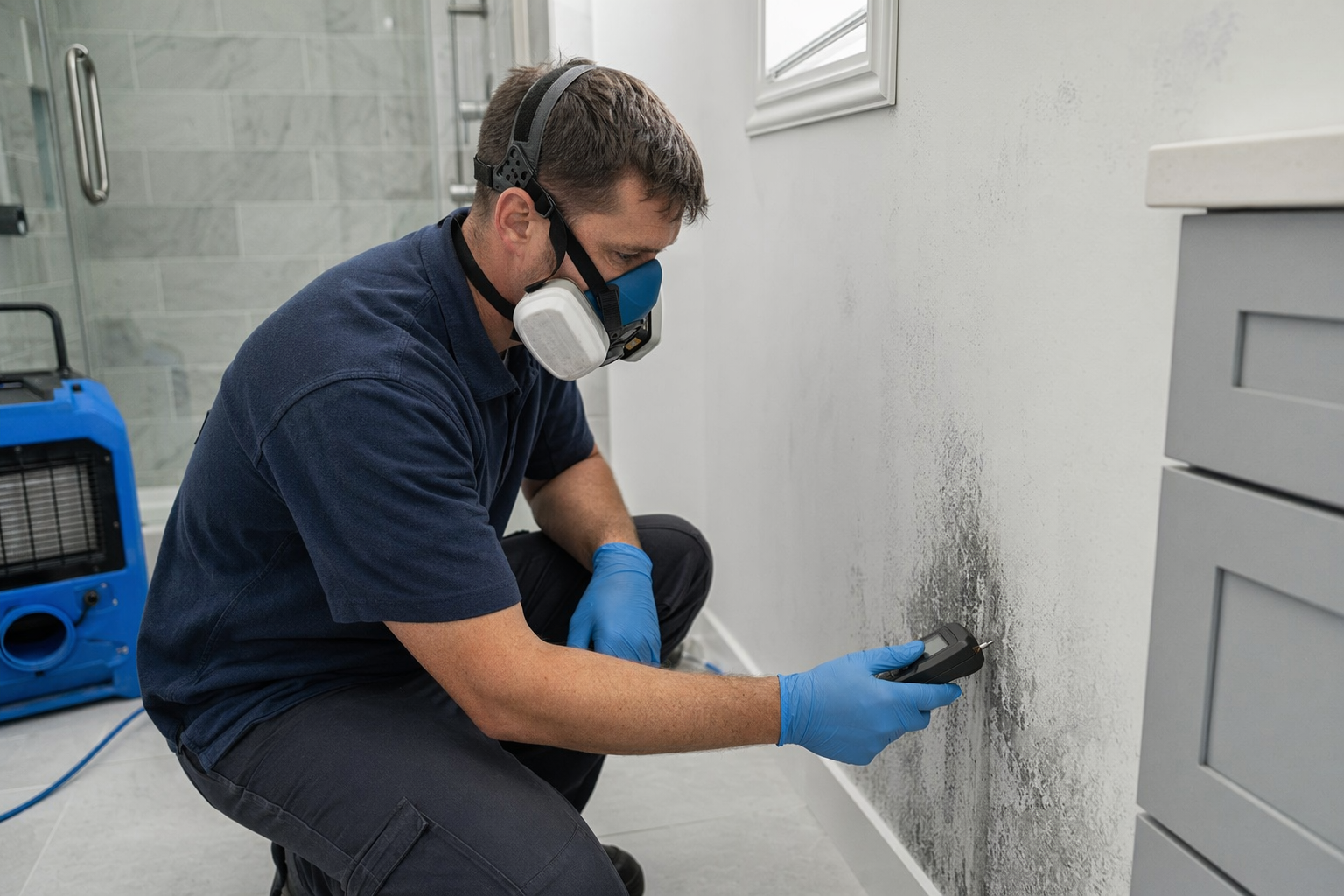
What people mean by “black mold” (and what it really means)
In everyday talk, “black mold” usually means dark-colored mold. In real testing and building science, mold color alone does not tell you what species it is or whether it is dangerous.
The more important question is why mold is growing. Mold usually grows after water damage—when materials stay wet or damp for long enough. So the fix starts with stopping the moisture and doing water-damage restoration, not just scrubbing visible spots.
If you’re dealing with a musty smell, staining, or recurring dampness, treat it as a water problem first. “Regular” mold and “black” mold can both appear in homes after leaks, flooding, or high humidity.
- Color isn’t enough to know the type of mold.
- Moisture source + dry-out is the key to preventing returns.
Black mold vs. regular mold: practical differences you can actually use
You may hear claims online that “black mold” is always worse. What’s more useful is the practical pattern: dark molds often look like heavy staining or growth after a significant moisture event, but many molds can look dark.
Mold “type” usually matters for decisions only when specialists identify it. For most homes, the restoration approach is similar: remove contaminated, water-damaged materials as needed and control moisture so the area dries fully.
Here are the differences that matter during cleanup and restoration:
1) Source of the moisture: leaks, flooding, sewage backup, condensation, or long-term humidity.
2) Amount of affected material: a small spot is different from widespread wet building materials.
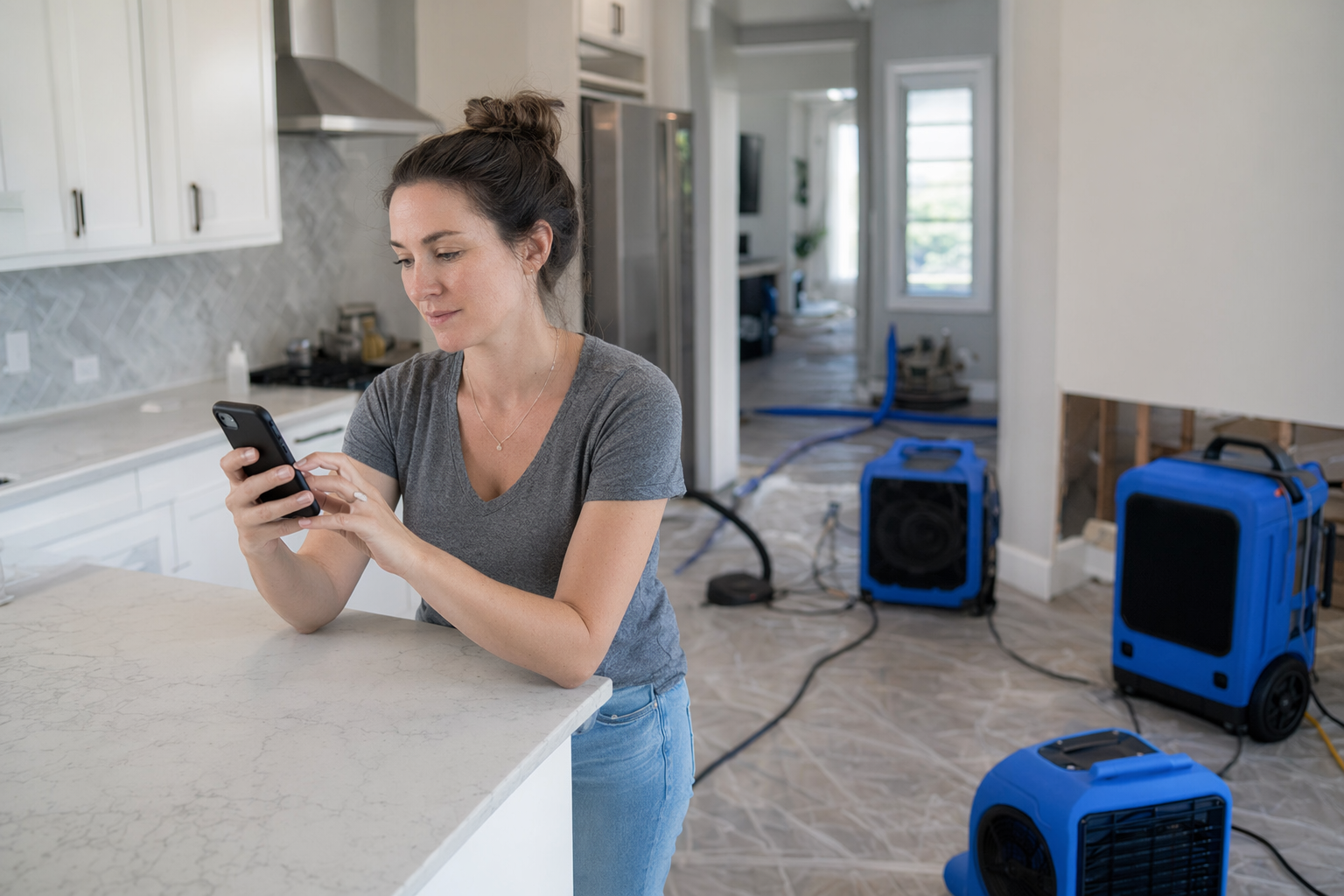
3) Drying success: structural drying (pulling moisture out of walls and floors with air movers and dehumidifiers) often determines whether it comes back.
- Restoration focuses on moisture and affected materials, not the label “black.”
- Drying (structural drying) is often the deciding factor.
When to suspect mold—and when it’s urgent
Mold is often easier to spot by signs around a water event. Look for:
- Musty or earthy smell
- Visible spots, specks, or staining
- Damp drywall, soft wood, bubbling paint, or warped flooring
- Condensation returning again and again
If the mold started after water damage, act as if it could be widespread in hidden areas. Mold can grow behind walls, under flooring, or in insulation where you can’t immediately see it.
Urgent situations: treat any flood or sewage backup as contaminated water, and keep people away from wet areas near electricity. If there is a life-safety threat, call your local emergency number first.
- Treat mold signs after water damage as a restoration issue, not just a cleaning issue.
- Flood/sewage water should be treated as contaminated.
What a good restoration pro will do (plain-language, step-by-step)
When you contact a local water-damage restoration professional, ask how they will handle the moisture problem and any mold concerns. A strong plan usually includes water extraction (pumping/vacuuming standing water out fast) and structural drying (pulling moisture out of walls and floors using air movers and dehumidifiers).
After drying, the pro may address materials that were contaminated or soaked through. This can involve removing affected drywall, insulation, or other porous materials that can’t be properly dried, then cleaning and monitoring.
Because “black vs. regular mold” can’t be concluded by color alone, look for clear explanations of:
1) What materials were wet and where the water went
2) How they will dry the space and confirm it is dry
3) What they will remove (if needed) and what cleaning methods they will use
4) How they will prevent moisture from coming back
- Water extraction + structural drying are often the foundation of mold prevention.
- Ask for a clear plan for drying, affected materials, and moisture control.
How much it may cost (typical ranges, varies a lot)
Costs depend on how much water happened, what it touched (drywall, insulation, wood, carpet), how large the affected area is, your home layout, and your city/state. These are typical US planning ranges—not quotes or guarantees.
- Emergency water extraction: roughly $400–$2,000
- Structural drying of a room or two: roughly $1,500–$5,000
- Whole-home water-damage restoration: roughly $3,000–$25,000+
- Mold remediation: roughly $1,500–$6,000 (varies widely)
Even if you think it’s “just mold,” restoration often includes drying and sometimes removal of water-damaged materials. Before work begins, request a written estimate that matches what you’ll pay and what’s included.
If you’re unsure who to call, start with DrySpan’s free matching service: get matched.
- Expect the biggest drivers to be water amount, affected materials, and drying scope.
- Always ask for a written estimate before any work.
A calm action plan for today (and how DrySpan helps you find help)
If you’re seeing mold or suspect mold after water damage, your goal is to prevent further moisture and get the right local expertise. Water spreads into walls within hours, so it helps to act soon.
1. Keep people safe: stay out of standing water areas and don’t touch electrical items that may be wet.
2. If it’s flood/sewage water: treat it as contaminated; avoid tracking it through the home.
3. Stop the water source if you can do so safely (for example, shut off a valve if it’s accessible and safe).
4. Document what you can safely—photos of areas affected can help when you talk to contractors and insurers.
5. Contact a local restoration pro to assess drying needs and the extent of affected materials.
DrySpan is a free matching service, not a contractor. We help connect you to local water-damage restoration professionals and provide practical guidance on what to ask. To start, visit get matched or read our first-hour guidance at [/guides/first-hour/]. You can also browse general info about services at [/services/].
- DrySpan is free matching + information—no restoration work from us.
- Start with drying and moisture control; color is not the deciding factor.
“Black mold” isn’t a diagnosis by color—fix the moisture, dry the building materials properly, and use DrySpan’s free matching to find a local water-damage pro.
FAQ
Common questions
Does “black mold” mean the house is unsafe or requires special medical treatment?
Not automatically. Mold color alone does not identify the species or determine health effects. If you’re worried about symptoms, follow your local medical guidance. For the home, the practical step is to stop moisture and address water-damage restoration so materials dry fully.
Should I clean mold myself, or should I hire a pro?
Small areas may sometimes be handled with proper cleaning, but after water damage—especially if you suspect hidden moisture—hiring a water-damage restoration professional is often the safer, more complete approach. Look for someone who explains water extraction and structural drying, not only surface scrubbing.
Will insurance cover mold remediation?
Coverage varies by state and by your insurance policy. Mold-related costs are often linked to whether there was a covered water-damage event and how the claim is documented. Check your policy and talk to your insurer; we can help you find local restoration pros to assess drying and affected materials.
How do I choose a trustworthy restoration company?
Choose someone who explains their moisture and drying plan in plain language and provides a written estimate. Ask how they will confirm the area is dry and what materials they plan to remove or treat. DrySpan’s matching is free and can help you find options in your area.