Help
Frozen Pipe Burst: First Steps in a Cold Snap
A frozen pipe can burst fast when temperatures drop, and the water can spread into walls, floors, and ceilings. Here is a calm first plan, plus a free way to find a local water-damage pro who can help.
1) Make the area safe first
If water is near outlets, appliances, or a breaker panel, do not step into it. If you smell gas, see a ceiling bulge, or the damage is spreading fast, leave the area and call your local emergency number first.
If the water may be from a sewer line, stormwater, or backed-up drain, treat it as contaminated. Keep children and pets away. Wear boots and gloves if you must enter a safe area.
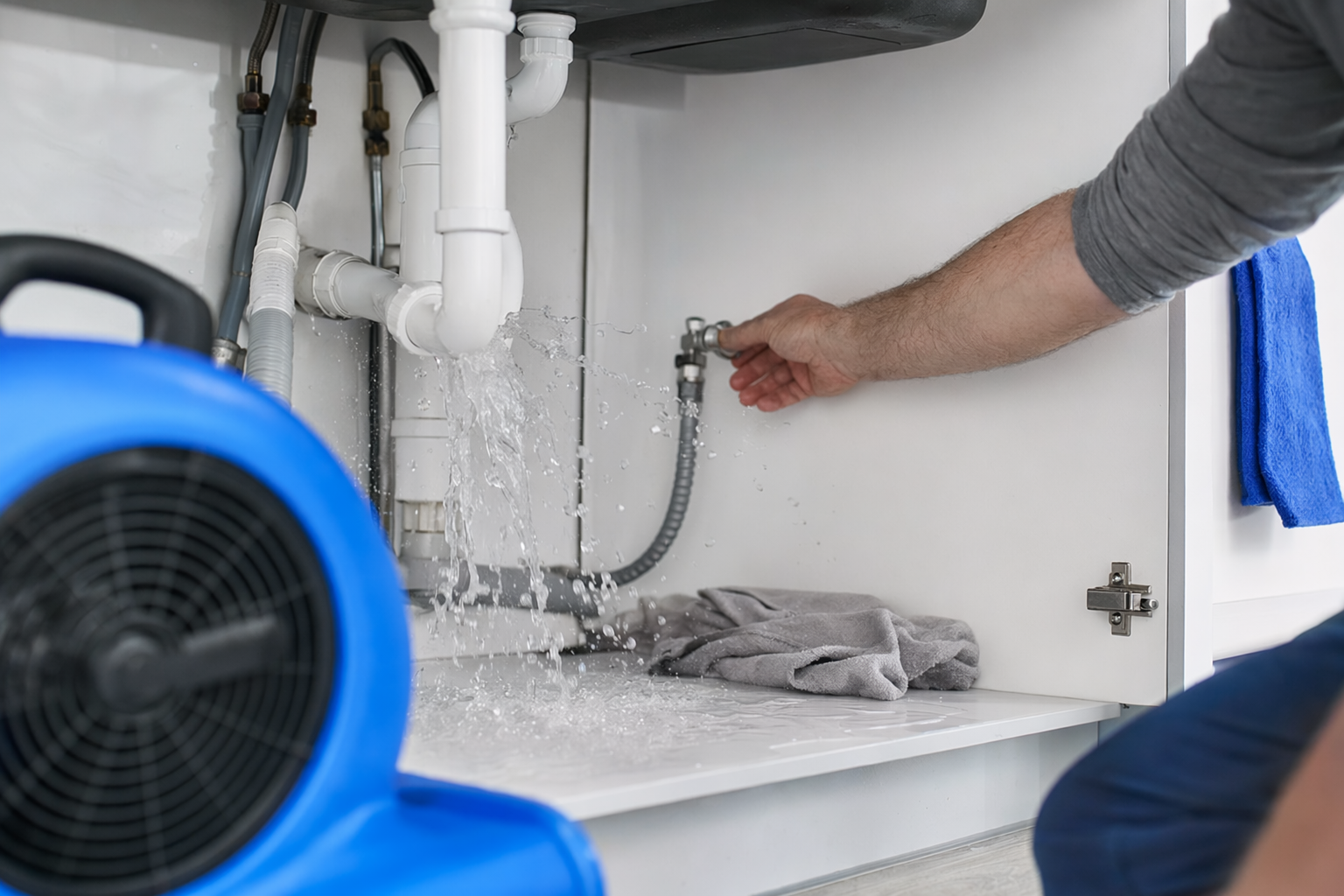
If you can do so without risk, stop the water at the main shutoff valve. If you cannot find it or cannot reach it safely, wait for help rather than guessing.
2) Reduce damage in the first hour
Once the water source is off and the area is safe, move rugs, boxes, and small furniture out of the wet area. Put aluminum foil or wood blocks under furniture legs if you cannot move them.
1. Take quick photos and short videos of the damage before you clean up too much. This can help with insurance documentation later.
2. Remove standing water only if it is safe to do so. Water extraction means pumping and vacuuming out standing water fast.
3. Start airflow if power is safe: open interior doors, and use fans or a dehumidifier if you already have one.
4. If the temperature is still below freezing, keep the space as warm as safely possible to slow more freezing and help drying.
If you need a step-by-step checklist, see what to do in the first hour.
3) Why frozen pipe damage needs fast drying
When a pipe bursts, water often gets inside walls, under floors, and into insulation. Even if the surface looks only damp, hidden moisture can cause swelling, staining, odors, and mold.
Structural drying means using air movers and dehumidifiers to pull moisture out of walls, floors, and other building materials. A small room may dry in a few days, but hidden water can take longer and usually needs professional moisture checks.
A trained restoration pro can also inspect what can be saved and what may need removal. DrySpan is a free matching service, not a restoration contractor, and we do not do the work ourselves.
4) What it may cost
Costs depend on how much water escaped, what it touched, the size of the home, and your city and state. These are typical US planning ranges, not quotes or guarantees.
Emergency water extraction is often roughly $400 to $2,000.
Structural drying for one or two rooms is often roughly $1,500 to $5,000.
Whole-home water-damage restoration is often roughly $3,000 to $25,000+.
If mold remediation is needed later, it is often roughly $1,500 to $6,000.
Get the work and pricing in writing before you approve anything. Insurance coverage also varies by policy and by state, so it helps to ask your insurer what they need.
5) How DrySpan can help
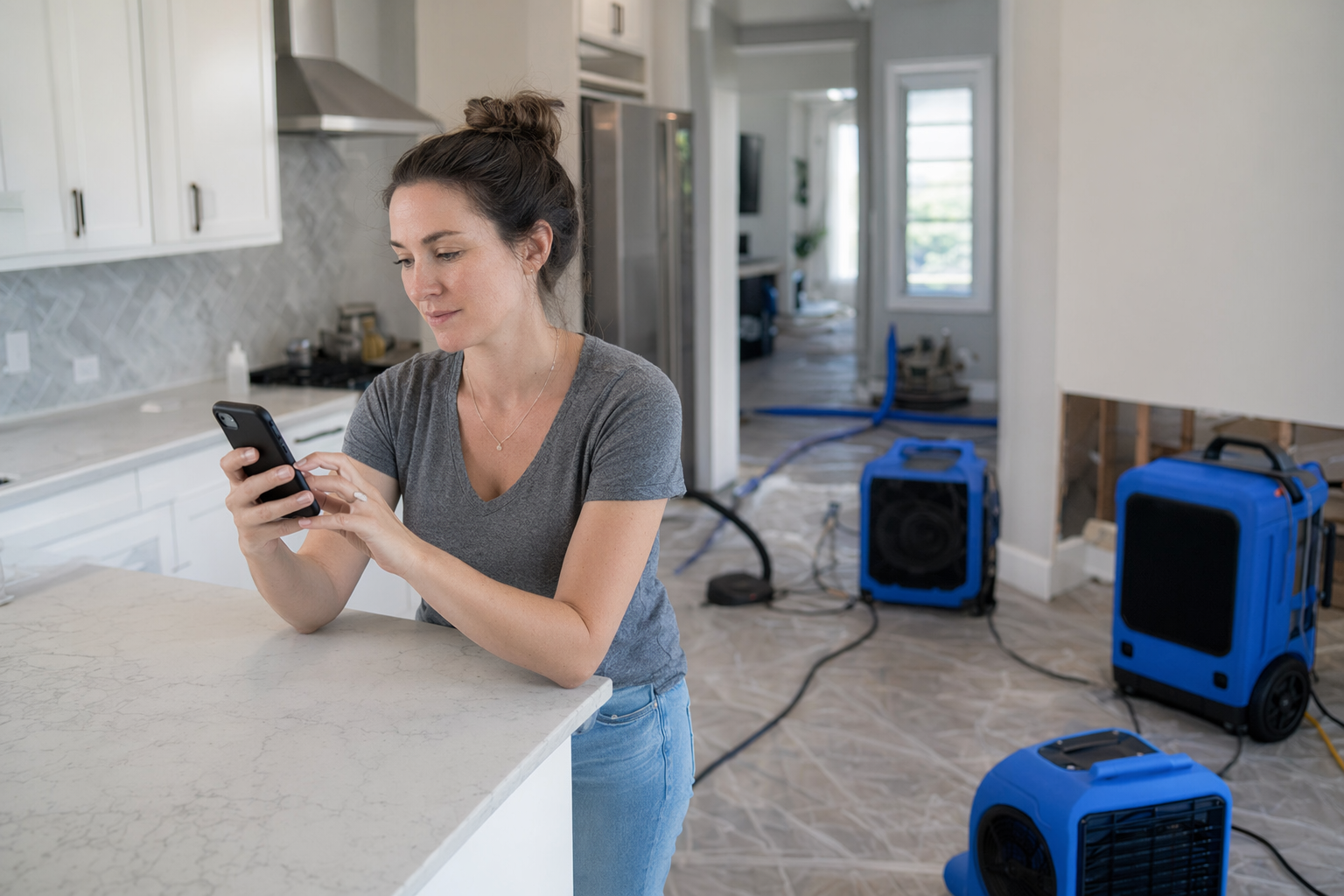
If you want help finding someone local, DrySpan can match you with a water-damage restoration pro in your area. Matching is free for property owners and renters, and help may often be available in your preferred language.
You can share only basic contact details and what happened, such as your ZIP code, city, the type of water damage, and how to reach you. We do not ask for medical history, immigration documents, government ID numbers, or other sensitive records.
Participating pros pay a flat fee to join the network. We do not promise a specific company, a price, or an outcome, but we do aim to help you reach someone who is a fit for the job.
A short story from someone in this situation
A renter came home after a hard freeze and found water coming through a kitchen ceiling. They shut off the water safely, took photos, moved a few items out of the way, and used DrySpan to find a local pro who could speak their preferred language.
The pro checked for hidden moisture, explained the drying plan in plain words, and gave an estimate in writing before work started. The renter said it helped to have a calm next step instead of trying to sort out everything alone.
If a frozen pipe bursts, shut off the water safely, avoid electrical and contaminated water, document the damage, and use DrySpan’s free matching service to find a local restoration pro.
FAQ
Common questions
What should I do right away if a pipe burst from freezing?
First, make the area safe and stop the water if you can do it without risk. Then document the damage, remove standing water if it is safe, and start drying while you look for a local restoration pro.
Can I stay in the house after a frozen pipe burst?
Sometimes yes, but not if there is electrical danger, sewer water, major ceiling damage, or a strong smell that makes the area unsafe. If you are unsure, stay out of the affected space and call for help.
Will insurance pay for frozen pipe damage?
It may, but coverage depends on your policy, how the damage happened, and your state. Contact your insurer soon, save photos, and get any estimate in writing.
Do I need a plumber or a restoration company?
Often you need both. A plumber fixes the broken pipe or leak source, and a restoration pro handles water extraction, drying, and damage cleanup.