Help
How Fast Does Mold Grow After Water Damage?
Mold can start growing fast after water damage, sometimes within 24 to 48 hours if materials stay damp. Here’s the calm plan: dry the area quickly, stay safe, and get help if the water reached walls, floors, or insulation.
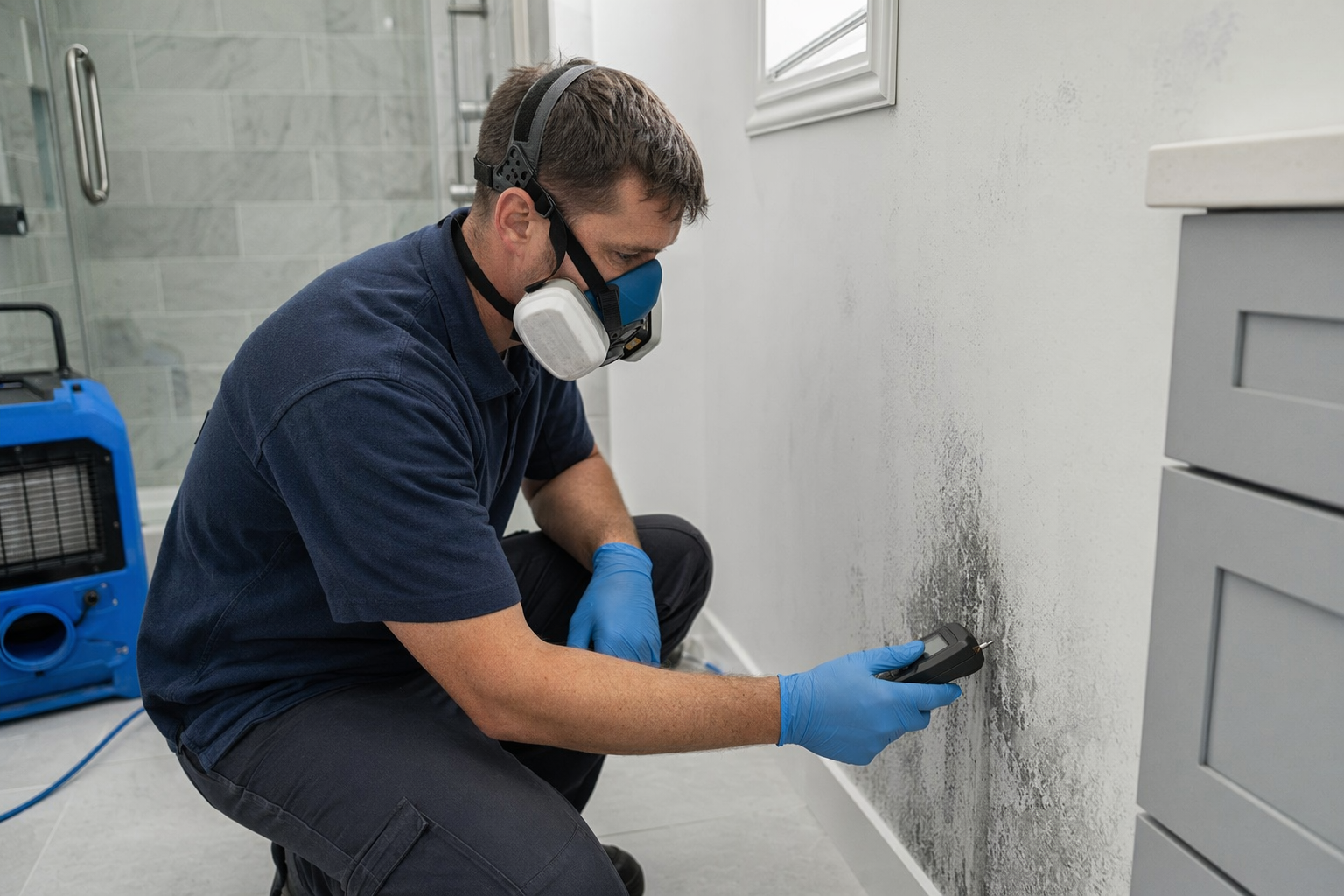
How fast mold can start
Mold does not need a huge flood to begin. If water sits in carpet, drywall, wood, or insulation, mold spores can begin growing in about 24 to 48 hours. Warm, humid rooms can make it happen even faster.
That does not mean you will definitely see mold right away. Often the first signs are a musty smell, staining, or softening materials, not visible spots. If the water was from sewage, a storm, or dirty floodwater, treat the area as contaminated and be more cautious.
The key point is simple: mold growth is about moisture and time. The longer materials stay wet, the harder cleanup can become.
What to do in the first few hours
If it is safe, take these steps now:
1. Stop the source of water if you can do it safely.
2. Do not enter standing water if electrical outlets, cords, or appliances may be in it.
3. Remove valuables and dry items that can be moved.
4. Open windows if weather allows, and run fans only if the area is safe and not contaminated by sewage.
5. Take photos for your records before major cleanup.
6. Call for help if water reached walls, ceilings, or multiple rooms.
If you are dealing with a ceiling leak, burst pipe, basement flood, or sewage backup, it often helps to get a water-damage pro involved early. DrySpan is a free matching service, not a restoration contractor, and we can help you find a local pro in your area.
What pros do to prevent mold
Water-damage restoration means removing water and drying the building materials so mold has less chance to spread. Two common terms you may hear are: water extraction, which is pumping and vacuuming standing water out fast, and structural drying, which is pulling moisture out of walls and floors with air movers and dehumidifiers.
A pro may also check hidden moisture behind baseboards, in drywall, under flooring, and inside cabinets. If materials stayed wet too long, some items may need removal instead of drying alone. That decision depends on what got wet and how long it stayed wet.
If mold is already visible, the job may shift into mold remediation, which means targeted removal and cleanup of mold-contaminated materials. Typical US planning ranges are often about $1,500-$6,000, but the real price depends on the size of the area, the materials involved, and your city or state. Always get it in writing.
What it may cost
Costs vary a lot, so use these only as planning ranges, not quotes. Emergency water extraction is often roughly $400-$2,000. Structural drying for a room or two is often roughly $1,500-$5,000. Whole-home water-damage restoration can be roughly $3,000-$25,000+, especially if there is hidden damage or demolition is needed.
The final price depends on how much water there was, what it touched, whether it was clean water or contaminated water, and how long it sat. Coverage and rules also vary by state and by your insurance policy.
If you want help comparing options, see our services or get matched with a local pro. Matching is free.
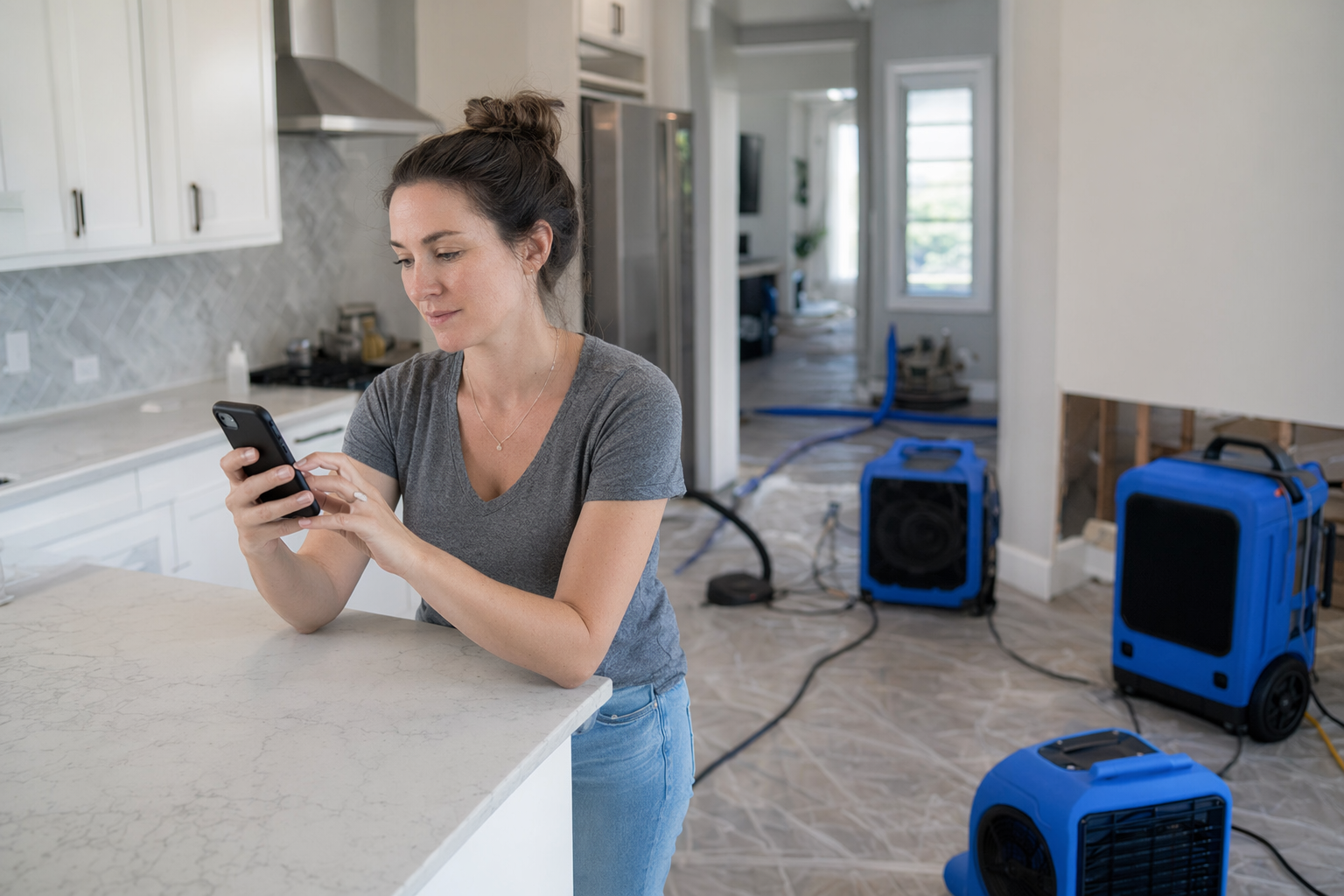
A short real-world example
A renter noticed a small pipe leak under a sink late at night. They wiped up what they could, but the cabinet base and nearby drywall stayed damp. The next morning they used DrySpan to find a local water-damage pro who could check hidden moisture and explain the next steps in their preferred language.
The pro found damp material behind the cabinet and set up drying before the smell and damage spread farther. The renter avoided guessing about what to keep and what to remove, and they got clearer documentation for the landlord and insurance. The important lesson: small leaks can still hide moisture inside walls.
When to get help right away
It helps to call a pro sooner if any of these are true:
- Water has reached drywall, ceilings, insulation, or subfloor.
- The water is from sewage, a storm, or outside flooding.
- The area still feels damp after a day.
- You smell mildew or see discoloration.
- More than one room was affected.
If there is any life-safety danger, call your local emergency number first. For non-emergency help, DrySpan can match you with local water-damage restoration pros, often in your own language, and the matching service is free.
Mold can start fast after a leak, so dry the area safely and get a local pro if water got into walls, floors, or hidden spaces.
FAQ
Common questions
Can mold really grow in just one or two days after a leak?
Yes, it can start growing in about 24 to 48 hours if materials stay wet. You may not see it right away, but the moisture can still be enough for mold to begin.
Should I use a fan to dry everything myself?
Sometimes, but only if the area is safe and the water is clean. If there is sewage, storm water, or hidden moisture in walls or floors, a pro should inspect it because fans alone may not dry everything.
How do I know if I need restoration or mold remediation?
If the main problem is recent water and damp materials, the work is usually water extraction and structural drying. If mold is already visible or materials stayed wet too long, mold remediation may also be needed.
Will insurance always pay for mold damage?
Not always. Coverage depends on your policy, the cause of the water, and state rules. It is best to document the damage and ask your insurer what they cover before approving major work.