Help
Moisture Meters: How Pros Know a Wall Is Dry
A moisture meter helps a restoration pro check whether a wall, floor, or ceiling is still wet after a leak or flood. DrySpan is a free matching service, not a restoration contractor, and we can help you find a local pro who explains the readings in plain language.

What a moisture meter does
A moisture meter is a tool that measures how much water is still inside building materials like drywall, wood, plaster, and some flooring. Pros use it to see whether a surface is dry on the outside but still wet inside.
That matters because trapped moisture can keep damaging the home, cause odors, and raise mold risk. A meter helps the pro decide if the area needs more drying, more time, or more work.
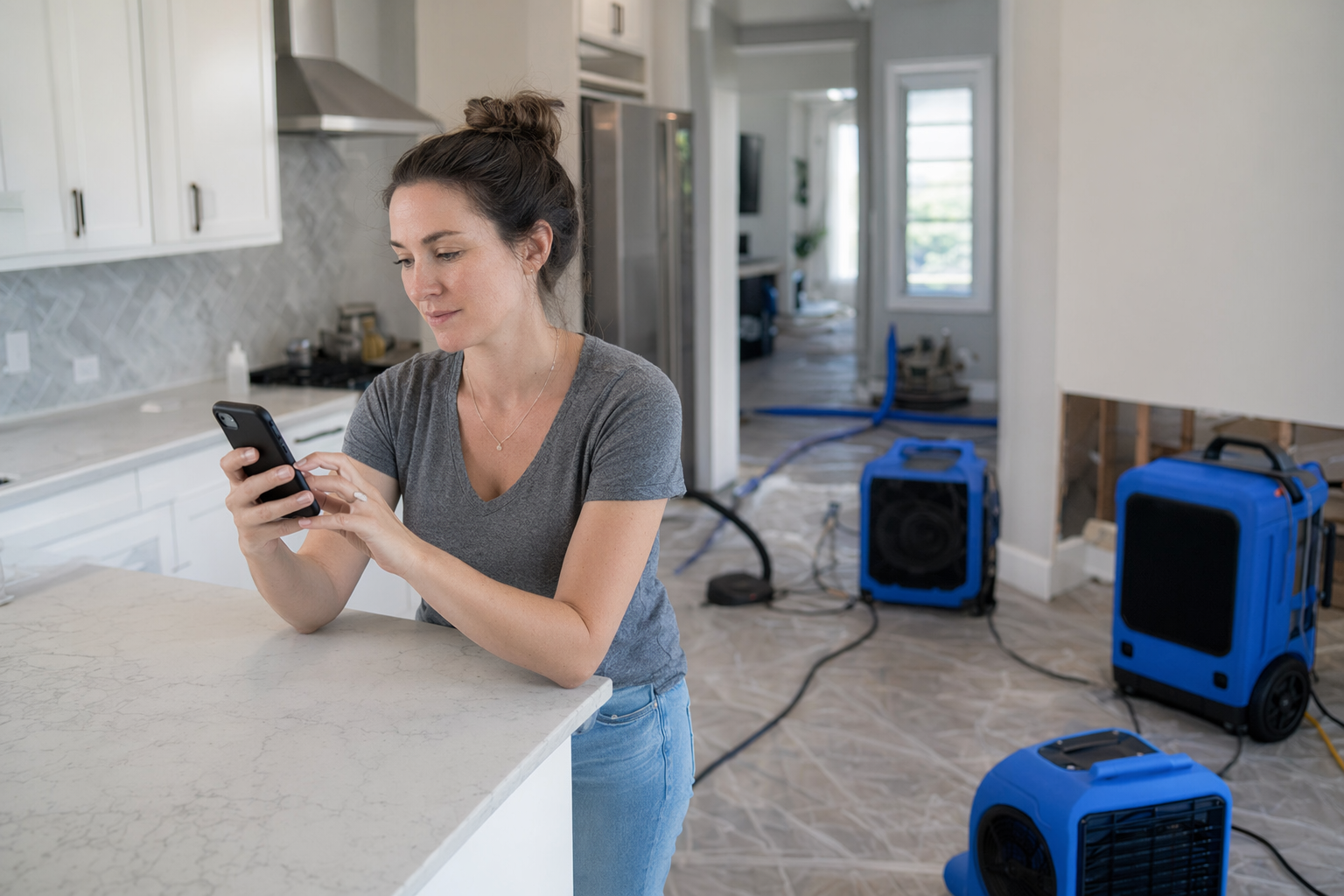
In plain words: water extraction means pumping and vacuuming standing water out fast. Structural drying means using air movers and dehumidifiers to pull moisture out of walls and floors.
If you want help after water damage, you can start with what to do in the first hour and then get matched with a local water-damage pro.
- Checks moisture inside materials, not just on the surface
- Helps confirm whether drying is working
- Often used along with air movers, dehumidifiers, and temperature checks
How pros tell if a wall is dry
A good pro does not rely on one reading alone. They compare wet areas to dry areas in the same home, then check how the numbers change over time.
1. They test a known dry spot first to get a baseline.
2. They test the damaged wall, floor, or baseboard.
3. They look for a drop in moisture over time, not just one reading.
4. They may also use an infrared camera or check behind trim and inside cavities if needed.
This is why “it feels dry” is not enough. The wall can look fine and still hold moisture inside. A careful pro uses tools and keeps notes so you can understand what changed.
- They compare wet and dry areas
- They check progress over time
- They may inspect hidden spaces, not only visible surfaces
What you can do before the pro arrives
If it is safe, you can help protect the home and make the inspection easier. Do not enter standing water near electricity. If you suspect sewage, treat it as contaminated water and avoid direct contact.
1. Turn off the water source if you can do so safely.
2. If it is safe, unplug electronics and keep people and pets away from wet areas.
3. Take photos for your own records.
4. Start light ventilation only if the air is safe and it will not spread contamination.
5. Do not tear out walls or floors unless a pro or your insurance instructions tell you to.
If there is any life-safety threat, call your local emergency number first. For damage from a burst pipe, storm, or leak, acting soon helps because water can spread into walls and under flooring within hours.
- Stay away from standing water near electricity
- Treat sewage or flood water as contaminated
- Keep damaged areas unchanged until they are assessed
What a moisture check may cost
A moisture meter reading is usually part of an inspection or drying visit, not a separate big job. Pricing varies a lot by city, home size, and how much damage there is.
Typical US planning ranges are often:
- Emergency water extraction: about $400-$2,000
- Structural drying for a room or two: about $1,500-$5,000
- Whole-home water-damage restoration: about $3,000-$25,000+
- Mold remediation: about $1,500-$6,000
These are typical ranges, not quotes. The real price depends on how much water entered, what it touched, the property, and your local market. Get every estimate in writing, and ask what is included before work starts.
- Moisture checks are often bundled into a larger inspection
- Real costs vary a lot by location and damage level
- Always get the scope and price in writing
How DrySpan can help
If you are trying to find someone who can inspect the damage and explain the moisture readings clearly, DrySpan can match you with a local water-damage restoration pro. Matching is free for property owners, and help may be available in your own language.
We are not a contractor, plumber, or government agency. We do not do the restoration work ourselves. We simply help you connect with participating pros and share general information so you can act with more confidence.
A renter in the Midwest used DrySpan after a bathroom leak soaked a wall and baseboard. They wanted someone who could speak clearly about what was wet behind the paint and whether the wall needed more drying. They got matched with a local pro who used moisture readings, explained the next steps in simple words, and put the plan in writing before work began.
- Free matching service
- Not a restoration contractor
- Support available in multiple languages
A moisture meter helps a pro prove whether water is still hiding inside a wall, and DrySpan can free-match you with a local restoration pro who explains the results clearly.
FAQ
Common questions
Can a wall look dry but still be wet inside?
Yes. Paint, drywall, and baseboards can look fine while moisture is still trapped behind them. That is why pros use moisture meters instead of only looking at the surface.
Do I need a moisture meter after a small leak?
Often, yes, if water reached drywall, wood, cabinets, or flooring. Even a small leak can soak hidden areas, so a moisture check helps confirm whether drying is complete.
Will insurance pay for moisture testing?
Sometimes, but coverage depends on your policy, the cause of the damage, and your state. A pro can document the readings, but DrySpan cannot give insurance advice or guarantee coverage.