Help
Musty Smell After a Leak: What It Means
A musty smell after a leak often means hidden moisture is still inside walls, floors, or ducts. Here’s what to check, what it can lead to, and how to find a local water-damage pro for free through DrySpan.
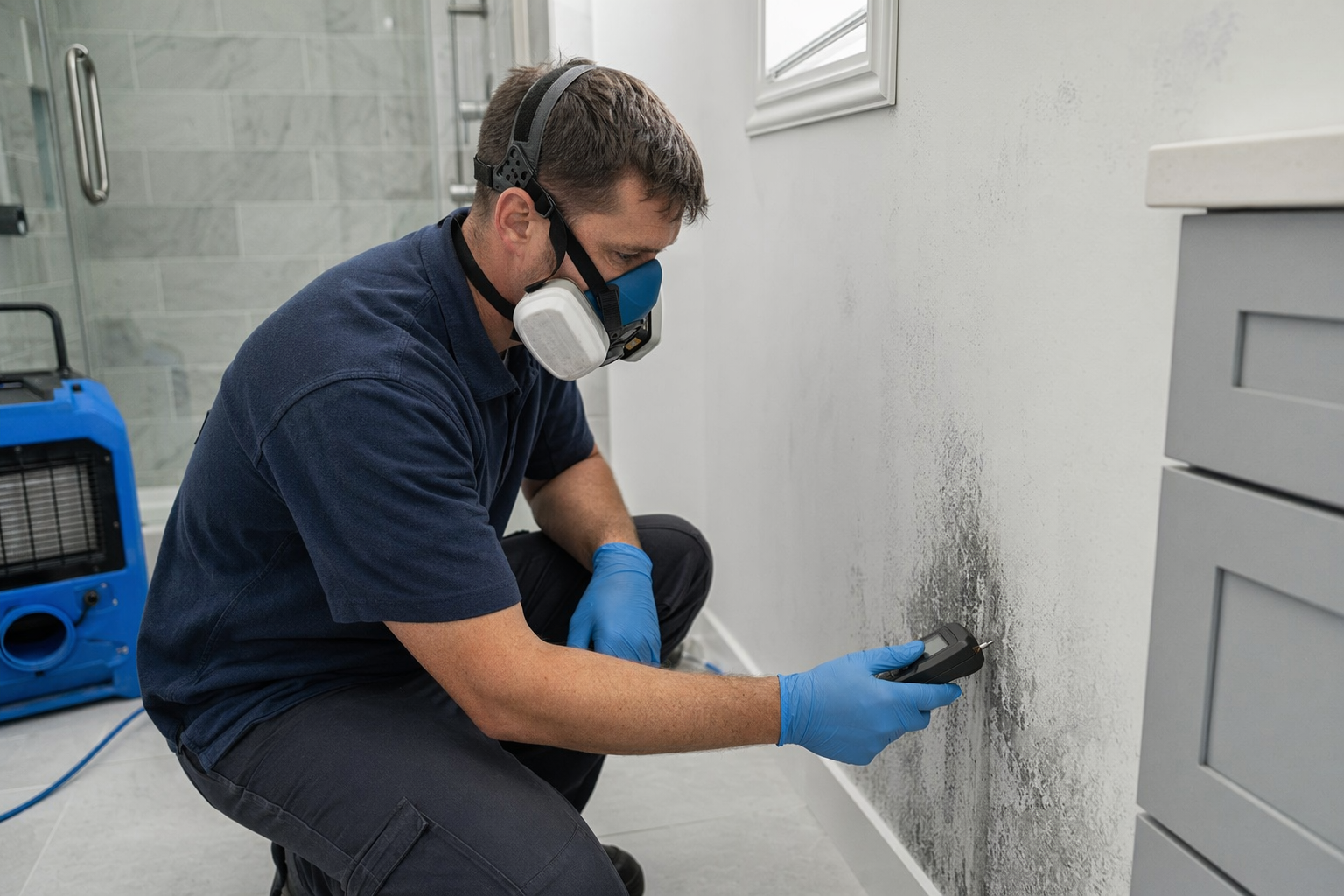
Why a musty smell happens after a leak
A musty smell usually shows up when water soaked into building materials—like drywall, wood, carpet padding, or insulation—and that moisture is not fully dried.
As materials stay damp, damp odors can come from microbial growth (like mold or mold-like organisms) or from wet materials that haven’t dried out. Even if the visible leak seems “over,” moisture can remain in places you can’t easily see.
If you recently had water damage (burst pipe, flood, leak, storm, or sewage backup), treat a musty smell as a warning sign. The goal is to find the hidden moisture source and dry everything properly, not just cover the smell with cleaners or air fresheners.
If you want help finding local restoration professionals, DrySpan is a free matching service—not a contractor, plumber, or government agency. You can use get matched to connect with pros in your area.
What to do right now (and when to treat it as an emergency)
You can’t always “sniff out” the cause, but you can take safe, practical steps to reduce risk and protect your property.
1. If water is still present or you see active dripping: stop the water at the source if you can do so safely (for example, shut off the main valve). If it’s electrical or you can’t reach the source safely, call a professional.
2. Do not enter standing water near outlets, wiring, or appliances. Treat flood and sewage water as contaminated—avoid contact and keep others away.
3. If the musty smell is strong and the area is small, you can improve airflow by opening doors/windows if it’s safe and not spreading water. Avoid running fans if they blow air into unaffected clean areas that will later be contaminated (a pro can advise based on your setup).
4. Take photos or short notes of what happened (where the leak was, how long it likely lasted, any visible stains or wet spots). This can help you explain the situation to your insurance company and the restoration pro.
5. If you have repeated odors, worsening smell, visible growth, or water intrusion in walls/ceilings: act soon. Water damage restoration is time-sensitive because moisture can spread into adjacent materials within hours.
If you’re not sure what to do in the first hour, see First hour after water damage.
Common causes of musty odor after a leak
Musty smells can come from several situations. The most common is hidden moisture in porous materials. Drywall and insulation can hold onto moisture even after the surface looks dry.
Another common cause is slow leaks—like plumbing behind walls, under sinks, or roof/wall leaks—that keep materials damp intermittently. You may notice odor before you notice visible water.
Sometimes the leak involved sewage backup or dirty water. In those cases, it’s especially important to treat the area as contaminated and involve professionals familiar with proper cleanup and drying.
In HVAC (heating and cooling) systems, moisture can cause odors if ductwork or the air handler area got wet. If the smell increases when the system runs, mention that when you contact a pro.
What a water-damage pro typically checks (plain-language terms)
When you call a local restoration professional, ask them to explain what they will do and why. Good pros use tools and a step-by-step approach to confirm drying—not just guessing based on smell.
They may do water extraction first if there’s standing or wet water. Water extraction means pumping out and vacuuming the standing water quickly.
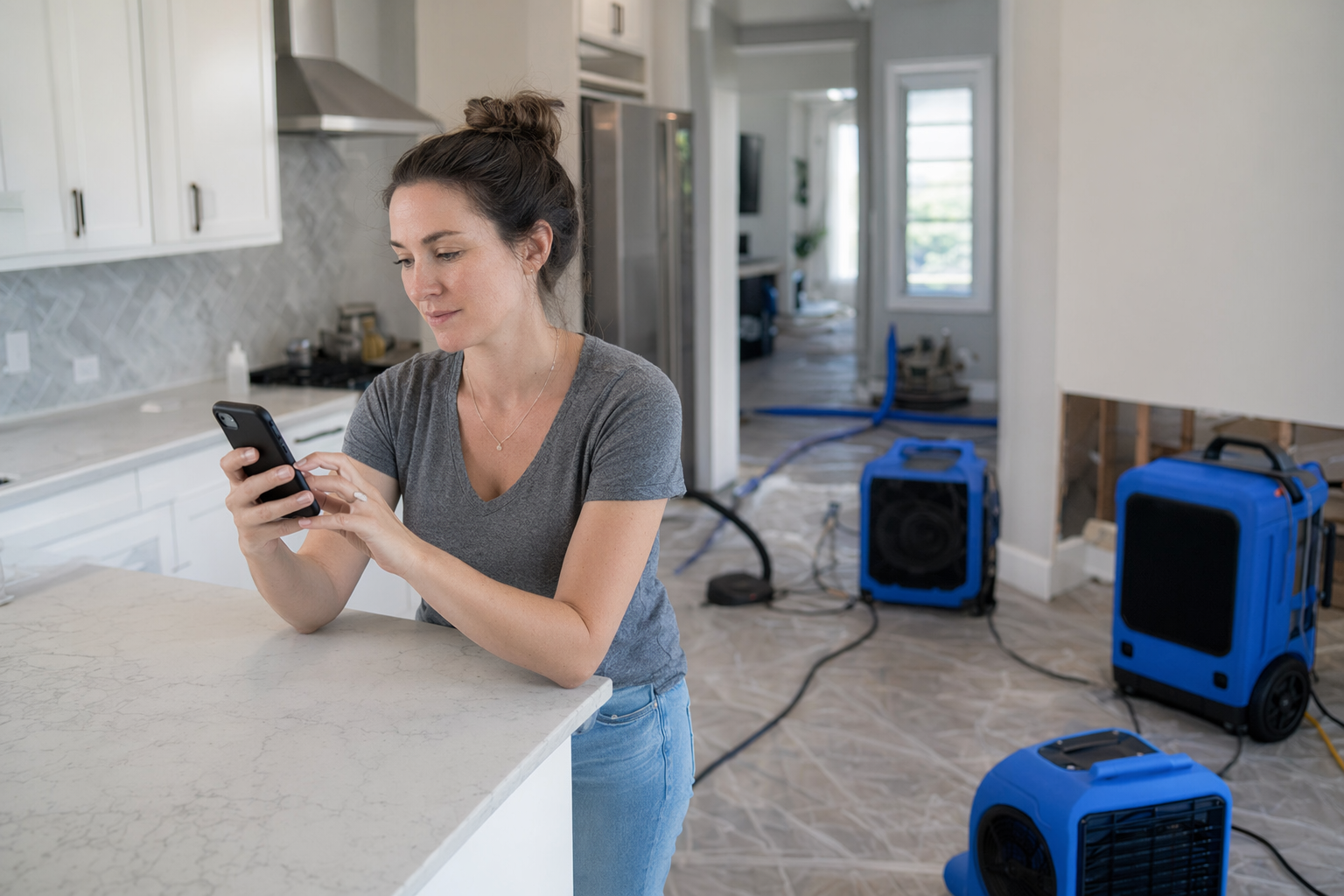
Next is [structural drying]. Structural drying means pulling moisture out of walls, floors, and other materials using air movers and dehumidifiers, and monitoring conditions until materials return to a safe, dry state.
If materials were affected beyond drying, they may recommend repairs or removal of damaged materials. Depending on what was affected, the process can also include controlled cleanup and, in some cases, mold remediation if mold growth is found.
Important: musty smell alone can’t confirm mold. A pro should investigate the source, check affected areas, and document what they find.
Costs and insurance: realistic expectations (no surprises)
Cost can vary a lot. The real price depends on how much water there was, what it touched (porous vs. non-porous materials), how long it sat, your home layout, your city/state, and what repairs come after drying.
Typical cost ranges in the US (planning estimates, not quotes): emergency water extraction often runs about $400–$2,000; structural drying for a room or two roughly $1,500–$5,000; whole-home restoration roughly $3,000–$25,000+; and mold remediation roughly $1,500–$6,000. Your situation may be higher or lower.
Insurance may cover part of the damage, but rules vary by policy and by state. Many policies cover sudden and accidental water damage, but exclusions or waiting periods can apply depending on the cause (for example, long-term leaks) and maintenance issues. Ask your insurer what’s covered and keep records of the damage and the work performed.
DrySpan doesn’t set prices and can’t guarantee coverage. We’re a free matching service to help you find a local pro who can assess the damage and help you understand your options. You can start with get matched.
A short story: acting fast after a musty smell
A renter noticed a musty odor after a pipe leak in an apartment unit below theirs. The visible puddle had stopped, but the smell lingered and seemed stronger when the heater ran. They felt worried because they couldn’t tell where the moisture was coming from.
They stopped using the affected vents, opened what windows they could safely, and documented the area with photos. Then they used DrySpan to find a local water-damage restoration professional for an assessment (DrySpan is free and not a contractor).
The pro explained that moisture can remain inside drywall and insulation even when the surface looks dry. They assessed the affected areas, used drying equipment, and identified where moisture was still present. After proper drying steps were completed, the odor improved.
The renter said the biggest help was getting a clear plan based on moisture conditions—not just trying to mask the smell. They also kept the paperwork from the assessment to share with their insurance.
A musty smell after a leak usually means hidden moisture is still inside materials—DrySpan can help you find a local water-damage pro for free to check and dry the problem.
FAQ
Common questions
Does a musty smell mean there’s mold already?
Not always. Musty odor often means hidden moisture, which can lead to mold-like growth, but smell alone can’t confirm it. A qualified pro can inspect, check affected areas, and identify whether mold remediation is needed.
Can I just clean the smell with spray or bleach?
Cleaning products can sometimes cover odor, but they usually don’t remove the moisture source. If materials are still damp, the odor often returns. It’s safer to address the moisture and drying first.
What if the leak happened weeks ago and the area looks dry now?
Even if the surface seems dry, moisture can remain inside materials and cause ongoing odor. A restoration pro can check for trapped moisture and determine whether structural drying (or removal) is necessary.
Will drying stop the odor?
Often, proper drying reduces or eliminates musty odor, but results depend on the source—how long it was wet, what materials were affected, and whether damaged materials need to be removed. Ask your pro to explain what they expect and to document the drying process.