Help
Roof Leak During Rain: How to Limit Damage
A roof leak during rain can spread into ceilings, walls, and insulation quickly. Here’s a calm, step-by-step plan to limit damage now, and a free way to find a local water-damage pro when you’re ready.
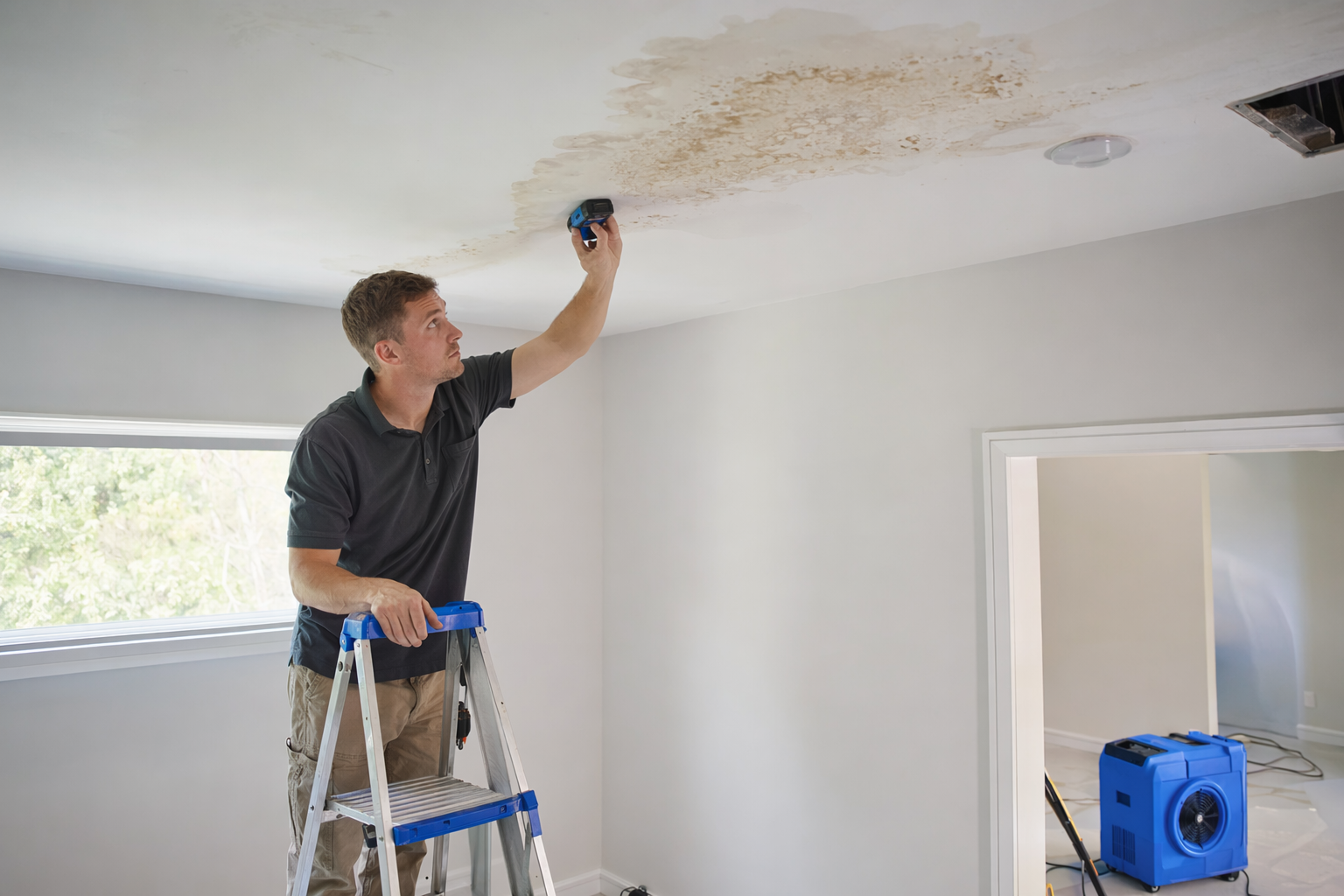
1) Do the safety checks first (then limit water spread)
Roof leaks are stressful because they can worsen fast. The goal is to stop or reduce the water coming in, protect people, and keep water from spreading into more areas.
1. If you see active electrical hazards (sparks, buzzing, water near outlets/panels), step back and call your local emergency number.
2. If water is dripping near outlets, ceiling lights, or power cords: do not touch it. Turn off power to the affected area only if you can do so safely.
3. Treat any flood or contaminated water as unsafe. Even if a roof leak seems “clean,” avoid walking through wet ceilings, wet insulation, or sagging areas.
4. Move people and pets away from the leak path. If the ceiling looks bulging or sagging, don’t stand underneath.
- Safety first: don’t enter standing water near electricity.
- If something looks structurally unsafe, call emergency help.
2) What to do during the rain (quick actions that matter)
Water can travel into drywall, wood framing, insulation, and attic spaces within hours. Quick actions can reduce how much needs drying and replacement later.
1. Catch the drip safely. Put buckets in place where it drips. If there’s a leak in a ceiling, consider placing a second container to prevent overflow.
2. Protect floors and belongings. Move rugs, furniture, boxes, and valuables away from the wet area. If you can do it safely, elevate items off the floor.
3. Ventilate if it’s safe to do so. Open windows if the weather allows and there’s no risk of blowing water around. Avoid creating new hazards near wet electrical areas.
4. Document what you see (for your own records). Take photos of the leak source, the wet area, and how far water has spread. Don’t waste time if conditions are unsafe.
5. Reduce indoor humidity if you can. If you already have dehumidifiers and the power is safe, running them can help. But don’t delay calling a pro if water is active or widespread.
- Catch the drip to prevent overflow.
- Photos and notes can help you later with insurance.
3) Stop the source if you can—and plan for a pro if you can’t
A water-damage restoration company can help with drying, but the roof leak itself must be addressed too. If the leak is from a visible roof area you can reach safely, you may be able to reduce damage until repairs happen.
1. If you can safely access the roof: look for obvious issues (missing shingles, damaged flashing, loose vents). Avoid risky roof work during rain.
2. If you cannot reach the roof safely: focus on indoor damage control and call a qualified roofer/plumber as appropriate to stop the leak.
3. Even if you stop the dripping, indoor materials may stay wet. Structural drying (drying walls, ceilings, and floors) is often needed after the leak stops.
- Stopping the leak is different from drying the inside.
- Even after dripping stops, materials may remain wet.
4) When to call a water-damage restoration pro (and what they’ll do)
You may be able to handle a very small, quickly stopped leak. But if water soaked into ceilings/walls, you notice damp drywall, musty smells, warped wood, or the leak happened repeatedly, professional help is usually the fastest path to proper drying.
Water-damage pros commonly provide:
- Water extraction: pumping and vacuuming out standing water quickly.
- Structural drying: pulling moisture out of walls and floors with air movers and dehumidifiers.
- Moisture monitoring: checking moisture levels in materials so drying is not just “by feel.”
If the leak involved sewage backup or likely contaminated water, the cleanup process is different. Treat it as contaminated and call help sooner.
If you’re unsure what level of service you need, you can get matched with a local water-damage restoration pro in your area. DrySpan is a FREE matching service, not a restoration contractor, and matching is free for property owners. You can also review general guidance in our first-hour guide.
- Structural drying uses air movers + dehumidifiers to remove moisture from materials.
- If you’re unsure, getting a local assessment early helps.
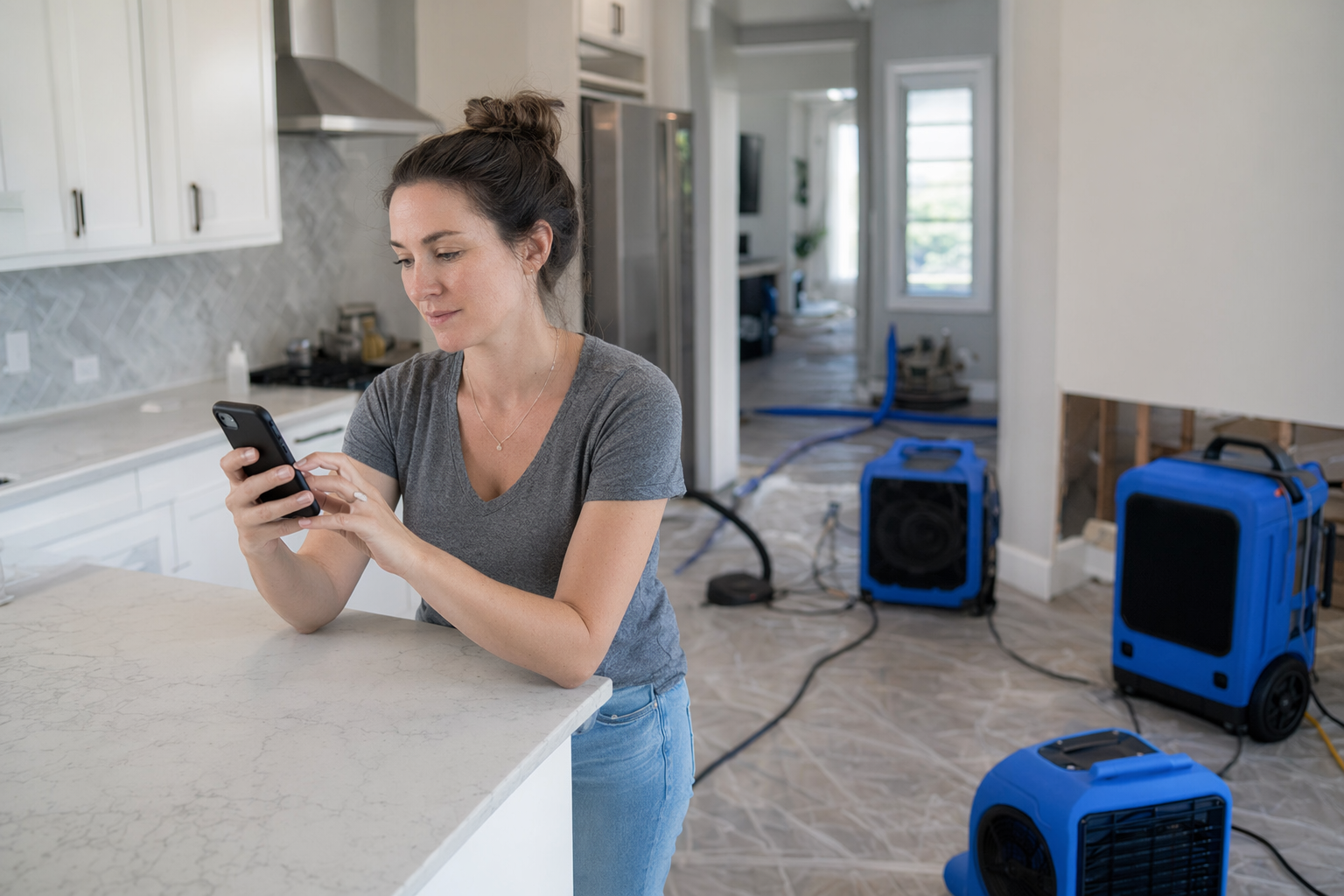
5) How much it may cost (typical US ranges) and how insurance often fits
Costs vary a lot based on how much water entered, what it touched (drywall, insulation, hardwood, carpets), how long it sat, your home layout, and your city/state. These are typical US planning ranges, not quotes or guarantees.
- Emergency water extraction (pumping/vacuuming standing water): about $400–$2,000.
- Structural drying for a room or two: about $1,500–$5,000.
- Whole-home restoration after significant water damage: about $3,000–$25,000+.
- Mold remediation (if mold is present or suspected after water exposure): about $1,500–$6,000.
Insurance coverage rules vary by state and by your policy. Many policies treat sudden leaks differently than long-term or neglected problems. In general, document the leak, keep receipts, and ask your insurer what they need. A local pro can also explain what they plan to do and what will be documented.
If you want to understand what services restoration pros provide, visit services. To find local options, use get matched. DrySpan is free for you as a property owner, and participating pros pay a flat fee to be in the network.
- These are typical ranges—your real cost depends on damage size and materials.
- Coverage depends on your policy and timing; document everything.
6) Plain-language checklist: what to ask and what to get in writing
Before work begins, it helps to be clear about scope and documentation. You don’t need to negotiate prices—just make sure you understand what will be done and why.
1. Ask for a written plan that matches the damage: extraction (if needed), structural drying steps, and moisture monitoring.
2. Ask how they will document drying progress (for example, what they measure and how it’s recorded).
3. Ask what materials may need to be removed or replaced (wet drywall/insulation, for example) and what conditions trigger that.
4. If there’s a risk of mold: ask how they will address it based on what’s actually found, not assumptions.
5. Get estimates in writing and confirm what is included (equipment placement, monitoring, cleaning steps).
DrySpan can help you find a local pro and connect you with options quickly after a leak. But DrySpan is not a contractor and cannot guarantee outcomes.
- Get a written plan and drying documentation steps.
- Ask what may be removed or replaced and when.
Limit damage by making the area safe, catching drips, protecting belongings, documenting everything, and getting fast drying help—DrySpan is a free matching service to connect you with a local water-damage pro.
FAQ
Common questions
If the rain stops, do I still need water-damage drying?
Often, yes. Materials like drywall and insulation can hold moisture after the dripping stops. Structural drying and moisture monitoring help prevent lingering dampness and reduce the chance of odor or mold.
Is a roof leak likely to cause mold?
Mold is more likely when materials stay wet for a prolonged period. Acting quickly to extract water and dry the affected materials helps lower risk. If you see visible growth, strong musty odors, or persistent dampness, a pro can assess the situation.
Will insurance cover roof leaks and the interior damage?
Coverage depends on your policy and what caused the leak. Many policies cover sudden water damage, but rules vary by state and by specific circumstances. Keep photos/notes and contact your insurer for guidance on what they need.
What’s the difference between water extraction and structural drying?
Water extraction removes standing water using pumps or wet-vacs. Structural drying then removes remaining moisture inside walls and floors using equipment like air movers and dehumidifiers, often with moisture measurements over time.
Can I do anything myself to help before a pro arrives?
Yes—catch drips with safe buckets, protect belongings, improve safe ventilation, and document the damage. Avoid entering areas near electricity, don’t touch sagging ceilings, and treat any potentially contaminated water as unsafe.