Help
Toilet Overflow Cleanup: Doing It Safely
If a toilet overflow has soaked your floor, start with safety and stop the water if you can. DrySpan is a free matching service, not a restoration contractor, and here is the basic plan.
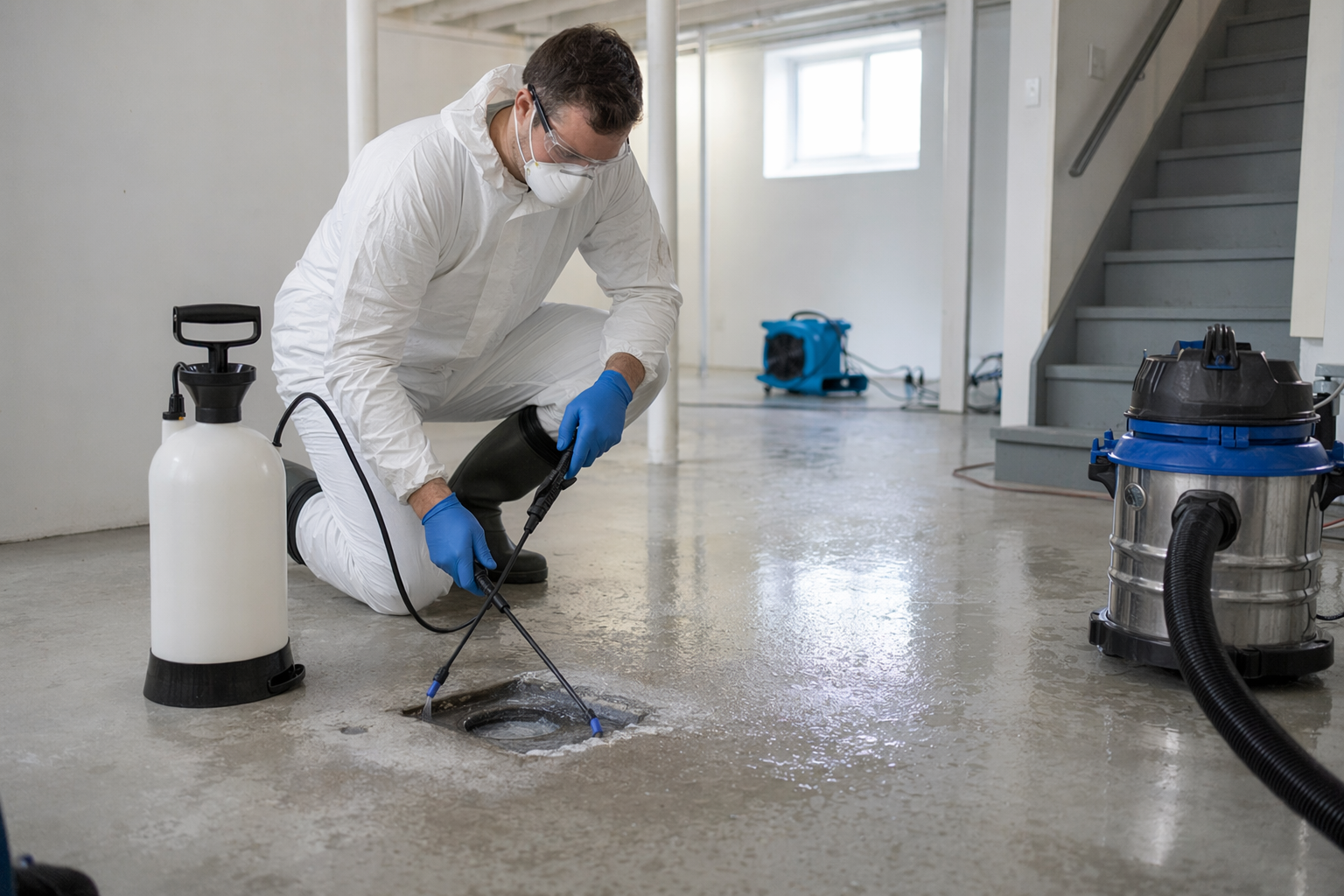
1. Make the area safe first
If water is still coming out, turn off the toilet valve behind the toilet if you can reach it safely. If you see water near outlets, cords, or appliances, do not step into it; turn off power only if you can do that without going through standing water.
Treat toilet overflow water as contaminated. Even if it looks clear, it can carry germs from the drain system. Keep children and pets out of the room.
If someone is in immediate danger, call your local emergency number first.
2. Stop the spread and protect what you can
Take a few quick steps to limit damage while staying safe:
1. Put on gloves and, if you have them, rubber boots.
2. Remove dry items from the room first: rugs, laundry, boxes, paper, and anything that can be moved without touching dirty water.
3. If it is safe, lift curtains or furniture legs onto blocks or towels.
4. Open a window or run a fan only if the room is dry enough that electricity is not a risk.
5. Do not use a regular household vacuum to remove water.
If the overflow was large, reached other rooms, or went into walls or the ceiling below, it is often worth getting a water-damage pro involved early.
3. Clean up the right way
For small, contained overflows on hard flooring, you may be able to do basic cleanup yourself after the water is stopped and the area is safe. Use paper towels or absorbent cloths, then clean the surface with soap and water, and disinfect according to the product label.
For porous materials, cleanup is more serious. Carpet padding, drywall, insulation, baseboards, and some subfloors can hold moisture and contamination. If those materials stayed wet for long, they may need removal and replacement rather than simple drying.
Restoration terms in plain words: water extraction means pumping and vacuuming standing water out fast. Structural drying means using air movers and dehumidifiers to pull moisture out of walls, floors, and hidden spaces.
4. When to call a pro
Call a water-damage restoration pro if any of these are true:
- The overflow was more than a small puddle.
- Water went into carpet, drywall, cabinets, or under flooring.
- The toilet backup may involve sewage.
- The room has a musty smell after cleaning.
- The water reached multiple rooms, a basement, or the ceiling below.
- You are not sure what was affected.
A pro can inspect, extract water, dry the structure, and tell you what materials may need removal. DrySpan can help you get matched with a local pro, often in your preferred language, and the matching is free.
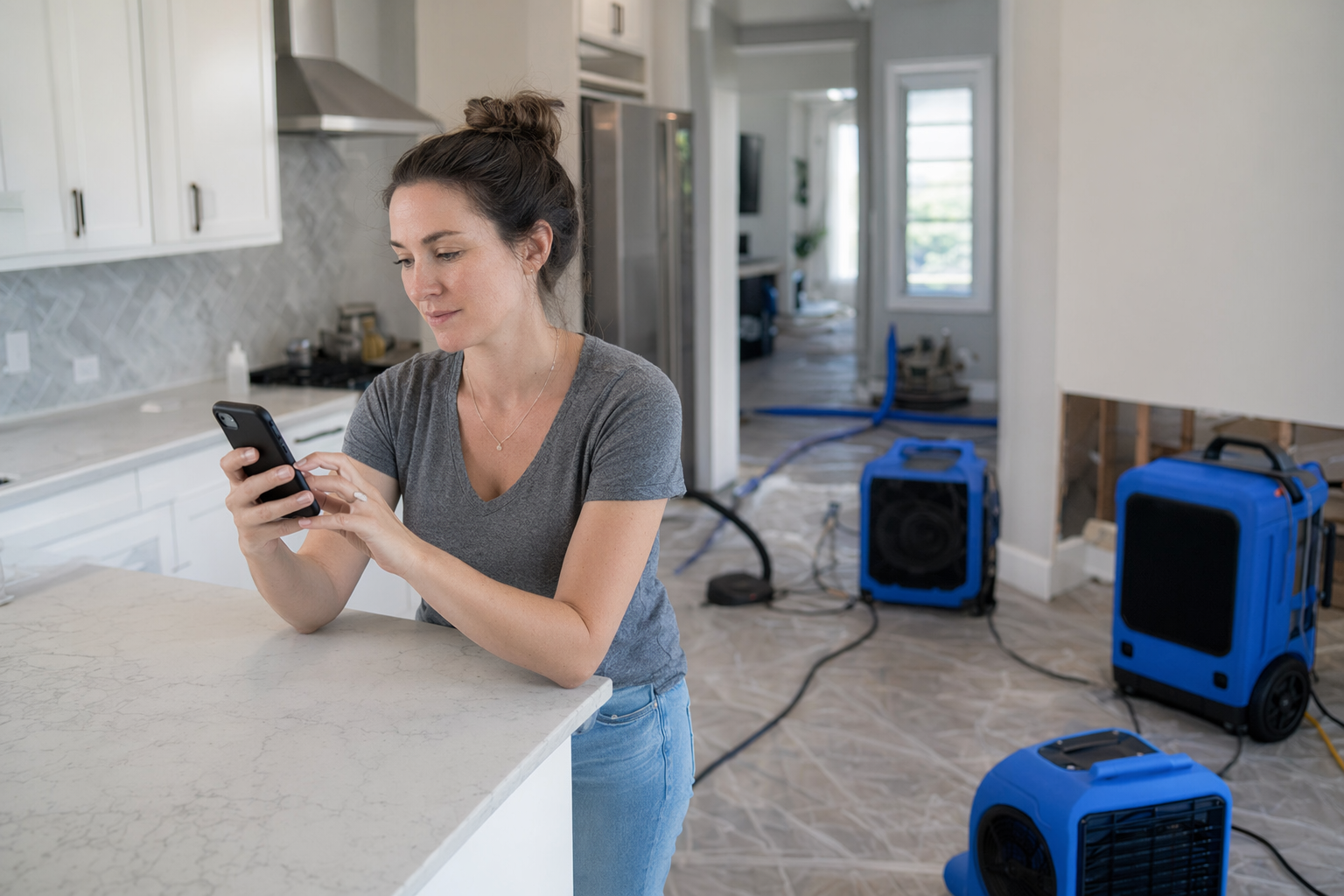
5. What cleanup and restoration may cost
Costs vary a lot by how much water spread, what it touched, the property, and your city or state. These are typical U.S. planning ranges, not quotes or guarantees:
- Emergency water extraction: roughly $400-$2,000
- Structural drying for a room or two: roughly $1,500-$5,000
- Whole-home water-damage restoration: roughly $3,000-$25,000+
- Mold remediation, if needed later: roughly $1,500-$6,000
Ask for the estimate in writing. The real price depends on the actual damage, and insurance coverage can vary by policy and state. DrySpan is free for property owners; participating pros pay a flat fee to join the network.
A short story from a real situation
A renter came home to a bathroom floor covered after a toilet overflowed into the hall. They first shut off the toilet valve, kept children away, and avoided walking through the water because an outlet was nearby. Then they removed a few dry items, took photos for their own records, and used DrySpan to find a local water-damage pro who could speak their preferred language.
The pro explained that the carpet pad and part of the baseboard were still wet and needed professional drying. The renter said the biggest relief was getting a clear next step without having to guess what was safe to do alone.
Stop the water, stay out of unsafe areas, treat toilet overflow as contaminated, and get help fast if it soaked more than a small hard-floor area.
FAQ
Common questions
Is toilet overflow water dangerous?
Yes, it can be. Toilet water may contain germs, so treat it as contaminated and keep people and pets away until it is cleaned properly.
Can I clean a toilet overflow myself?
For a small overflow on a hard floor, basic cleanup may be possible if the area is safe and the water is stopped. If water soaked carpet, drywall, or spread beyond one room, a pro is usually a safer choice.
Will insurance pay for toilet overflow damage?
Maybe, but it depends on your policy and what caused the overflow. Coverage rules vary by state and by insurance plan, so it helps to check your policy and ask your insurer what is covered.
How fast should I dry the area?
As soon as you safely can. Water can spread into walls and materials within hours, so early drying can reduce bigger repairs later.