Help
When (and How) to Turn Off Power After a Flood
Flood water and wet electricity can be dangerous. Here’s a calm, step-by-step way to think about turning power off safely, plus how DrySpan can help you find a local water-damage pro for next steps—free.
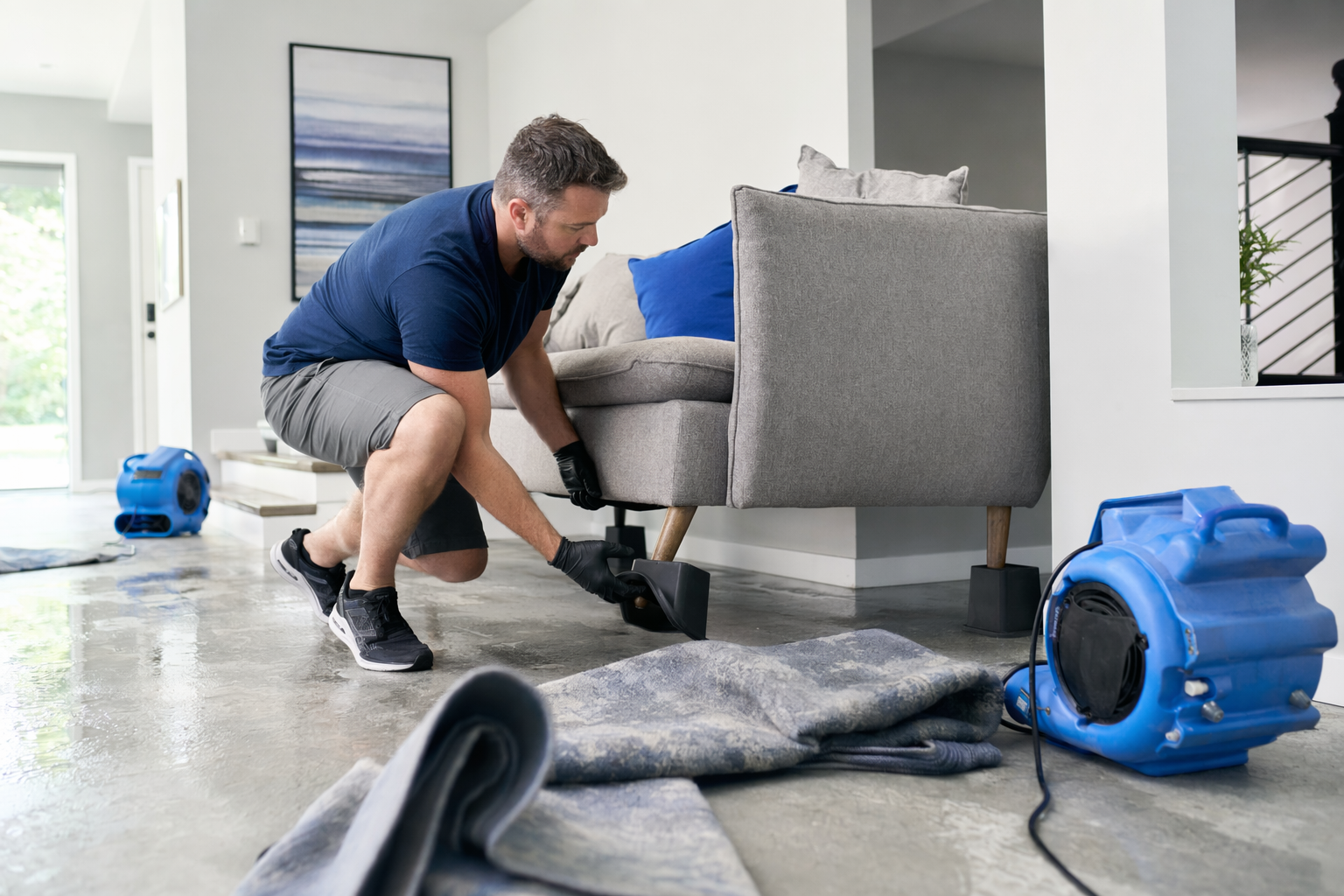
First: safety checks before you touch anything electrical
If flood water may have reached outlets, switches, appliances, or wiring, treat the area as unsafe. Don’t step into standing water if you suspect electricity is involved.
1. If you see sparks, smoke, buzzing, or you smell burning: leave the area and call your local emergency number.
2. If you can safely do it from a dry area, turn off power at the main breaker. If you can’t reach it safely, don’t improvise—wait for a qualified professional.
3. If the water involves sewage backup or unknown contamination, assume it’s contaminated. Avoid contact with the water and keep kids and pets away.
These steps are general safety guidance. Local rules and the layout of your home vary, so follow the safest option available to you in the moment.
- Do not enter standing water near electrical sources.
- If life safety is at risk, call emergency services first.
When should you turn off power?
In general, you should turn off power when water may have reached electrical components or when you can’t confirm the system is dry. Turning power off helps reduce shock and fire risks while you figure out the damage.
Common situations where you should consider turning off power:
1. Water touched outlets, light fixtures, ceiling fixtures, or the area around the panel.
2. Water is actively rising or coming through walls/ceilings and you’re not sure what’s been reached.
3. Appliances (furnace, water heater, sump pump controls, refrigerators) were submerged or sprayed.
If water has not reached electrical parts and you can keep distance, some people choose to wait for a licensed electrician’s assessment. However, during an active flood or right after, it’s often safer to de-energize if you can do so without entering wet areas.
- If you’re unsure, err on the side of safety—shut off power only if you can do it safely.
How to turn off power safely (without taking extra risks)
If you have access to your main breaker panel without walking through water, you can often shut off electricity in a controlled way.
1. Stay dry and keep your hands and footwear dry.
2. Use one hand when possible and stand on a dry surface.
3. Turn off the main breaker (or the appropriate switch) firmly.
4. Do not touch individual breakers or cords if anything looks wet near the panel.
5. After power is off, avoid using lights or outlets until a professional confirms it’s safe.
If your breaker panel is in a basement that’s flooded, or you can’t safely reach it, don’t try to reach it through wet areas. Instead, contact the appropriate local help (for example, an electrician or emergency services if there’s ongoing risk).
- Shut off power only from a dry, safe location.
- Don’t move water near outlets or wiring to “get to the switch.”
What to do right after power is off
Once power is off and the immediate danger is reduced, the next priority is getting water out and stopping further spread. Water spreads into building materials quickly, and acting soon can help reduce damage.
1. If the water is from a clean source (like a burst pipe) and you can do so safely, stop the source of water if you already know how. If it’s not safe or you’re unsure, don’t risk it.
2. Document what you see for your insurance claim (photos/videos from safe areas). Keep notes of dates and what happened.
3. Contact a water-damage restoration professional to handle water extraction and structural drying. Key terms:
- Water extraction: pumping and vacuuming standing water out fast.
- Structural drying: pulling moisture out of walls, floors, and other materials using air movers and dehumidifiers.
4. If you suspect sewage backup or strong contamination, treat it as contaminated and keep people away while you arrange proper cleanup.
You don’t have to figure this out alone. DrySpan is a free matching service, not a restoration contractor. We can help connect you with a local water-damage pro who handles drying and cleanup safely.
- Act soon—water can move into walls and floors within hours.
- DrySpan is free and helps you find a local pro through matching.
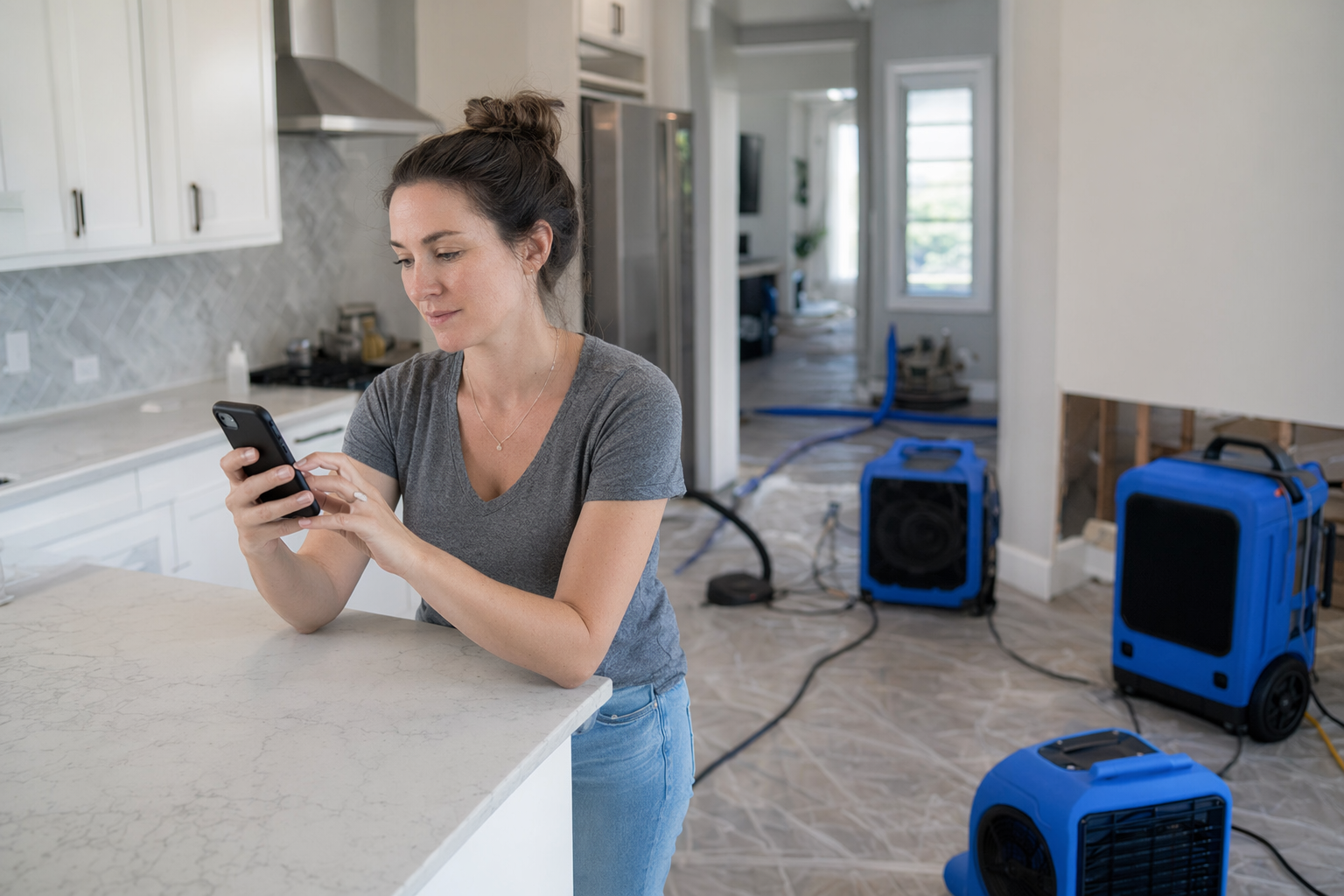
How DrySpan can help you find the right local pro (and what to ask)
After a flood or leak, it’s easy to feel rushed. DrySpan helps take that load off by matching you with local water-damage restoration pros and providing practical information. We’re free for property owners, and we’re not the company doing the repairs.
If you want to start, you can use get matched. You’ll share the basics (where you are, what happened, and how to reach you). You can also check first-hour guidance for a calm checklist.
When you talk to restoration pros, you can ask clear, non-technical questions like:
1. Will you do water extraction first, then structural drying?
2. What equipment do you use (dehumidifiers/air movers) and how do you monitor drying?
3. Will you help document conditions for insurance?
4. What is the estimated scope and what will you put in writing?
Costs vary a lot by situation and location. Typical ranges (planning estimates, not quotes) often look like:
- Emergency water extraction: about $400–$2,000
- Structural drying for a room or two: about $1,500–$5,000
- Whole-home water-damage restoration: about $3,000–$25,000+ (often more if materials are removed)
- Mold remediation: about $1,500–$6,000
Ask for an estimate based on your specific conditions and get details in writing.
- Matching is free; participating pros pay a flat fee to be in the network.
- Request written scope and drying plan from the pro.
Short anonymized story: acting fast and finding the right pro
A renter in a mid-sized US city woke up to water coming from the ceiling after a neighboring unit’s pipe burst. The hallway carpet was wet and water had reached a few electrical outlets, so they did not walk through it. They kept everyone away, shut off power from a safe dry spot, and contacted help.
They used DrySpan to find a local water-damage restoration pro. The service was free, and the matcher helped them get in touch with a company that could explain next steps in a more comfortable language. The pro’s team documented the affected areas, began water extraction promptly, and then set up structural drying equipment with ongoing monitoring.
After the work started, the renter focused on what matters most: staying safe, gathering photos from safe areas for insurance, and confirming what would be included in the scope. By acting early and choosing a reliable local team, they reduced the chance of longer-term damage as the home dried.
- Time matters: water spreads into materials quickly.
- DrySpan is a free matching service, not the restoration provider.
Turn off power only if you can do it safely from a dry spot, then act fast to remove water and arrange professional drying—DrySpan is free to help you find a local pro.
FAQ
Common questions
Should I turn off all power right away after any flood, even if outlets look dry?
If water may have reached electrical components or you’re not sure, turning off power can be the safer choice—only if you can access the main breaker from a dry location. If you can’t reach it safely, don’t improvise; contact qualified local help.
Is it safe to wade through flood water to reach the breaker panel?
No. Standing water can hide electrical hazards. If you can’t reach the panel without entering wet areas, stop and seek professional assistance or emergency guidance.
How does turning off power relate to water-damage restoration?
Restoration (like water extraction and structural drying) works best after immediate safety risks are reduced. Power off helps prevent shock and fire risk, while the restoration team focuses on removing water and drying materials.
Will insurance cover the cost of drying and cleanup?
Coverage depends on your policy, what caused the water damage, and your state rules. It’s helpful to document damage early and ask the restoration pro to describe the scope clearly for your insurance claim.