Help
Water Under Floor Tiles: Why It Hides Damage
Water under floor tiles can hide for days and still damage the subfloor, grout, and walls. Here’s what to check first, what to avoid, and how DrySpan can help you find a local water-damage pro for free.
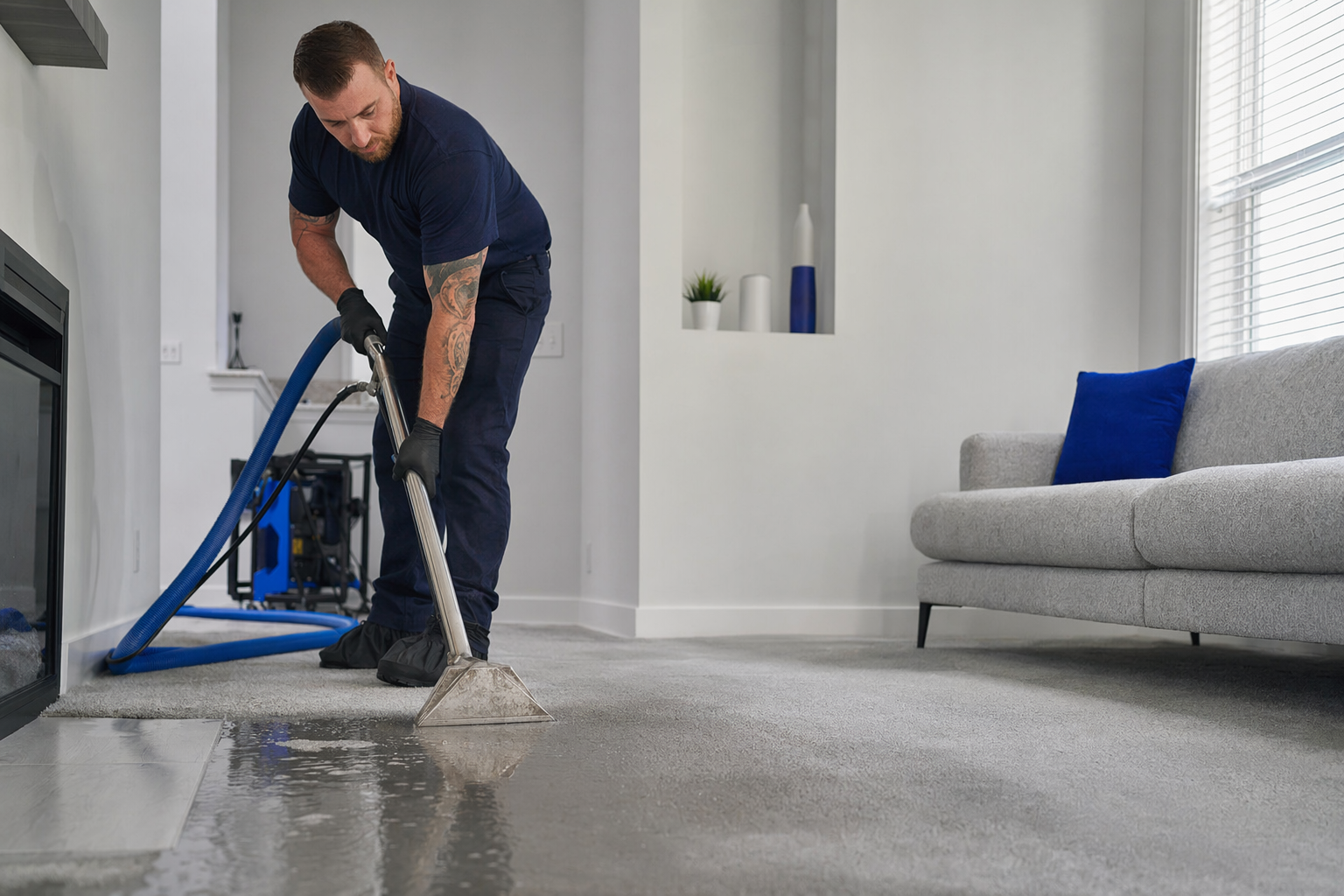
Why tile can hide water damage
Tile may look solid, but water can move through grout lines, cracked caulk, gaps at the edges, or a damaged layer under the tile. It can collect in the thin space below and spread into the floor, baseboards, or wall bottom without showing much on the surface.
That is why a tile floor can feel cool, sound hollow, or start lifting even when the room does not look flooded. In some homes, the real damage is in the underlayment or subfloor below the tile, not on top.
If the water source is still active, stop it if you can do so safely. If there is standing water near outlets, cords, or appliances, do not step into it. Call your local emergency number first if there is any life-safety danger.
What to do in the first hour
If the leak just happened, keep the steps simple and focus on safety and drying.
1. Stop the water if possible, such as turning off a supply valve.
2. Stay out of standing water near electricity.
3. Remove loose rugs, furniture, and anything dry that can be moved safely.
4. Open doors or windows if weather and safety allow.
5. Take a few photos for your own records before cleanup, if that is easy to do.
6. Start looking for a water-damage restoration pro if the water is more than a small spill.
For a fuller checklist, see what to do in the first hour.
Signs water is trapped below the tile
Watch for changes that show moisture may be hiding under the floor.
Common signs include soft or spongy spots, cracked grout that was not there before, loose or rising tiles, a musty smell, dark staining at the base of walls, or new buckling near cabinets and thresholds. If the floor sounds hollow in a new area, that can also point to moisture below the tile.
Sewage backup and flood water should be treated as contaminated. Do not try to clean up deep contamination yourself. If the water came from a toilet overflow, storm flooding, or a backup line, a trained pro should assess it.
What a restoration pro may do
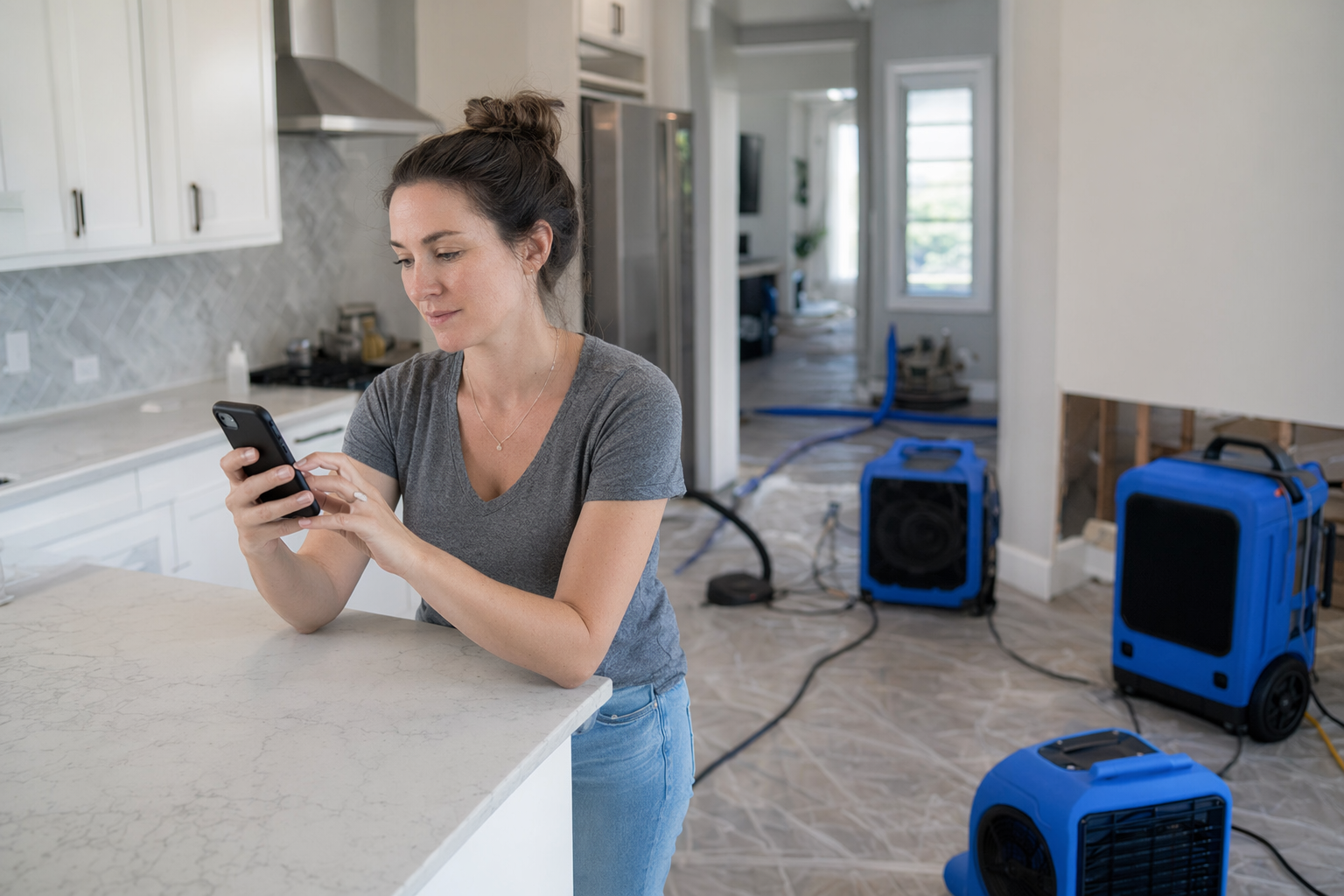
A water-damage restoration pro may start with moisture checks, then use water extraction, which means pumping and vacuuming standing water out fast. If water got below the tile, they may also use structural drying, which means pulling moisture out of walls and floors with air movers and dehumidifiers.
Sometimes the tile can stay in place. Other times, part of the floor has to be opened so the hidden moisture can be reached. That decision depends on how far the water spread, what the floor is made of, and how long it sat there.
DrySpan is a free matching service, not a restoration contractor. We help you find a local pro and can often match you with someone who speaks your preferred language.
What it may cost
Prices vary a lot by city, damage size, and what the water touched. These are typical US planning ranges only, not quotes or guarantees, and the real price depends on the property and the job:
- Emergency water extraction: roughly $400-$2,000
- Structural drying for a room or two: roughly $1,500-$5,000
- Whole-home water-damage restoration: roughly $3,000-$25,000+
- Mold remediation, if needed: roughly $1,500-$6,000
Get any estimate in writing. Insurance coverage and rules vary by state and by policy, so it helps to ask your insurer what they need before work begins if you are able to do that.
A real-world example of what this can look like
A renter noticed one tile near the kitchen felt slightly loose after a small leak under the sink. The floor looked mostly fine, so they almost waited. A day later, the grout line darkened and a musty smell showed up near the baseboard.
They used DrySpan to get matched with a local water-damage pro who could explain the next steps in their preferred language. The pro checked moisture under the tile, opened the affected area, and set up drying equipment before the damage spread farther. The renter still had to work through repairs and insurance on their own, but they got help finding the right kind of company quickly and calmly.
Water can hide under tile and damage the floor below, so check safety first, dry what you can, and use DrySpan for free help finding a local pro.
FAQ
Common questions
Can water under tile dry out on its own?
Sometimes a very small amount may evaporate, but trapped water under tile often stays hidden and can damage the floor below. If you see soft spots, smells, or lifting tile, it is usually worth getting a moisture check.
Do I need to pull up all the tile?
Not always. A pro may be able to dry the area with some tile left in place, but if the subfloor is wet or damaged, part of the floor may need to be opened. The right answer depends on where the water went and how long it sat there.
Will my insurance pay for this?
Maybe, but it depends on your policy, the cause of the leak, and your state. DrySpan cannot give insurance advice, so it helps to contact your insurer and keep photos, notes, and written estimates.
Is DrySpan free to use?
Yes. DrySpan is a free matching service for property owners and renters looking for local water-damage help. Participating pros pay a flat fee to join the network.