Help
Can You Save Wet Carpet? When to Dry, When to Toss
Wet carpet can sometimes be saved, but only if you act fast and dry the right way. Here’s what to do in the first hours, what “structural drying” means, and when carpet usually needs replacement.
What to do RIGHT NOW (first hour)
If the carpet is wet, your goal is to stop water from spreading and start drying as soon as possible. Water can move into padding, subfloor, and even walls within hours.
1. Stop the source of water. Turn off the shutoff valve if it’s safe, or call a plumber/landlord for leaks.
2. If there’s any electrical risk (sparks, wet outlets, power near standing water), do not enter—call your local emergency number.
3. Treat flood/sewage water as contaminated. If you suspect sewage backup or contaminated water, avoid contact and call for professional help.
4. Remove what you can safely. If the carpet is loose and dry enough to move without pulling water across rooms, lift edges and separate wet sections so air can reach both sides.
If you’re deciding whether to call now: when carpet stays wet, it can lead to long drying times and higher chances of odor or mold. Acting early helps most.
Can wet carpet be saved? Look at the situation
Carpet sometimes can be saved, but it depends on the type of water and how deeply it soaked. Carpet itself is only part of the problem—wet padding and a damp subfloor can keep moisture trapped even after the surface looks dry.
In general, carpet is more likely to be saved when:
• Clean, fresh water caused the spill (for example, a burst pipe that’s under control)
• Drying can start quickly and the moisture can be measured and removed (not just “air-dried”)
• The carpet and padding are not soaked for a long period
Carpet is more likely to need replacement when:
• Water came from sewage backup or heavy flooding
• The carpet padding is deeply soaked and won’t dry fully
• The carpet has strong odor that returns after surface drying
• There’s significant staining or the carpet backing has delaminated
When in doubt, ask the drying pro to check moisture levels in the carpet, padding, and subfloor—not just the top surface.
What “drying” should include (plain-English terms)
Restoration companies use a few common terms. Knowing them can help you ask better questions.
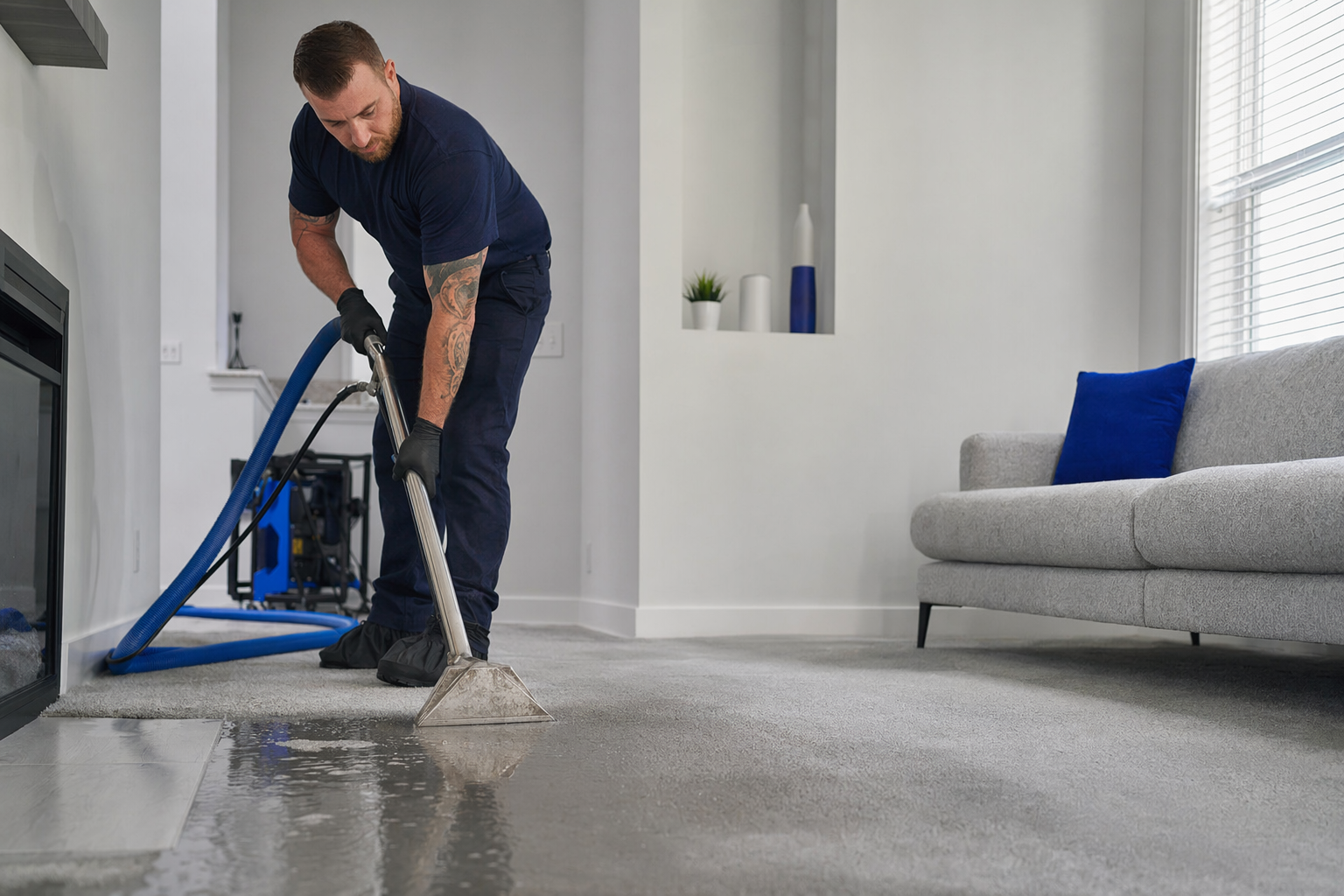
• Water extraction: pumping and vacuuming the standing water out fast.
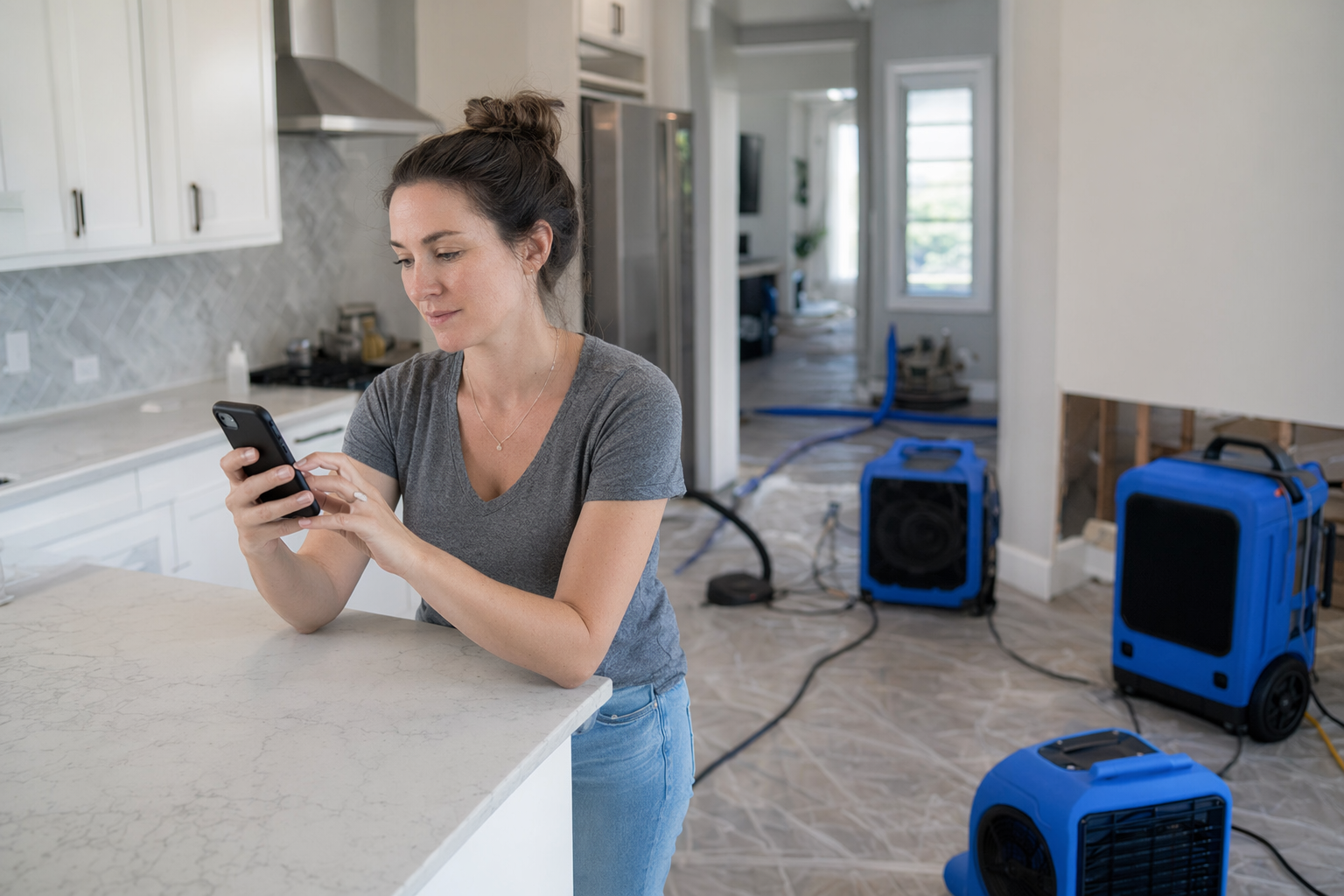
• Structural drying: pulling moisture out of walls and floors using air movers and dehumidifiers. This is especially important when water has reached the carpet padding or subfloor.
• Moisture monitoring: measuring moisture over time to confirm drying is actually complete, not just guessed.
For wet carpet specifically, the drying plan may include lifting carpet edges, extracting water, drying underneath, and sometimes removing wet padding so air can move where moisture is trapped.
When carpet usually needs to be tossed
Even with good intentions, some situations leave carpet and padding too far gone to save. Replacement is often the safer path when moisture or contamination can’t be fully controlled.
Carpet and padding are commonly replaced when:
• Sewage/flood water soaked in and cannot be safely cleaned
• Padding is soaked through and keeps staying wet
• The area smells musty or sour after attempted drying
• The carpet backing is warped, separated, or structurally damaged
If your carpet is old, heavily stained, or already worn, a pro may recommend replacement rather than risking lingering odor. You can still ask for a written explanation based on moisture readings and observations.
Costs and insurance basics (typical ranges, no surprises)
Costs vary a lot based on how much water, what it touched (just carpet vs. walls/floors), drying time needed, and your city/state. These are typical US planning ranges, not quotes:
• Emergency water extraction: about $400–$2,000
• Structural drying of a room or two: about $1,500–$5,000
• Whole-home water-damage restoration: about $3,000–$25,000+
• Mold remediation (if needed): about $1,500–$6,000
If insurance is involved, coverage rules vary by policy and state. Many policies require prompt reporting and mitigation (taking reasonable steps to prevent further damage). If you can, save receipts for emergency supplies (like fans, dehumidifiers, or cleanup items) and take photos of the damage before major work starts.
For step-by-step first actions, see First Hour actions for water damage.
Get matched with a local water-damage pro (free to you)
DrySpan is a FREE matching service—not a restoration contractor. We help you find local water-damage restoration pros in your area and share general guidance so you can ask the right questions.
If you want help now, start here: Get matched. You’ll share what happened, where it happened (ZIP/city), and what language you prefer so we can connect you to options nearby.
Before you decide on any contractor, aim for these practical questions:
1. Can you assess moisture in carpet, padding, and subfloor?
2. What drying equipment and drying monitoring will you use?
3. Will you put the plan and scope in writing (including what might be replaced)?
4. How do you handle insurance paperwork and documentation (based on your process)?
If you’d like to learn what services are typically available, see Water-damage restoration services.
Wet carpet can sometimes be saved, but only if you stop the water, treat hazards safely, and dry the padding and subfloor properly—DrySpan helps you find a local pro (free to you).
FAQ
Common questions
I got the water out of the carpet—should I still call a pro?
Maybe. The surface can look dry while moisture remains in the padding and subfloor. A pro can measure moisture and confirm drying is complete. If you suspect padding is wet or there was flooding, calling sooner is usually the safest choice.
Is it safe to run fans and dehumidifiers by myself?
Fans and dehumidifiers can help, but they don’t replace proper extraction and moisture monitoring. If there’s electrical risk, sewage/flood water, or water reached walls and floors, it’s important to get professional help.
What’s the difference between drying the carpet and restoring water damage?
Drying focuses on removing moisture from materials. Restoration often includes the full process needed to return the home to a safe, dry condition—sometimes including removal and replacement of damaged materials, odor treatment, and repairs after drying.