Help
Wet Drywall: Save It or Cut It Out?
Wet drywall can sometimes be dried and saved, but it may need to be cut out if it stayed wet too long or was contaminated. Here is a calm, practical way to decide what to do next, and how DrySpan can help you find a local pro for free.
First: check for safety and stop the water
If water is still coming in, shut it off if you can do so safely. If you see standing water near outlets, appliances, or the breaker panel, do not step in it and call your local emergency number or an electrician if there is any immediate danger.
If the water came from a burst pipe or leak, take a few photos for your records, then move furniture and belongings away from the wet area. If the water is from sewage, a toilet backup, floodwater, or storm surge, treat it as contaminated and keep children and pets away.
For the first-hour basics, see what to do right away.
- Do not touch wet electrical items until power is confirmed off.
- Treat sewage or flood water as contaminated.
Can wet drywall be saved?
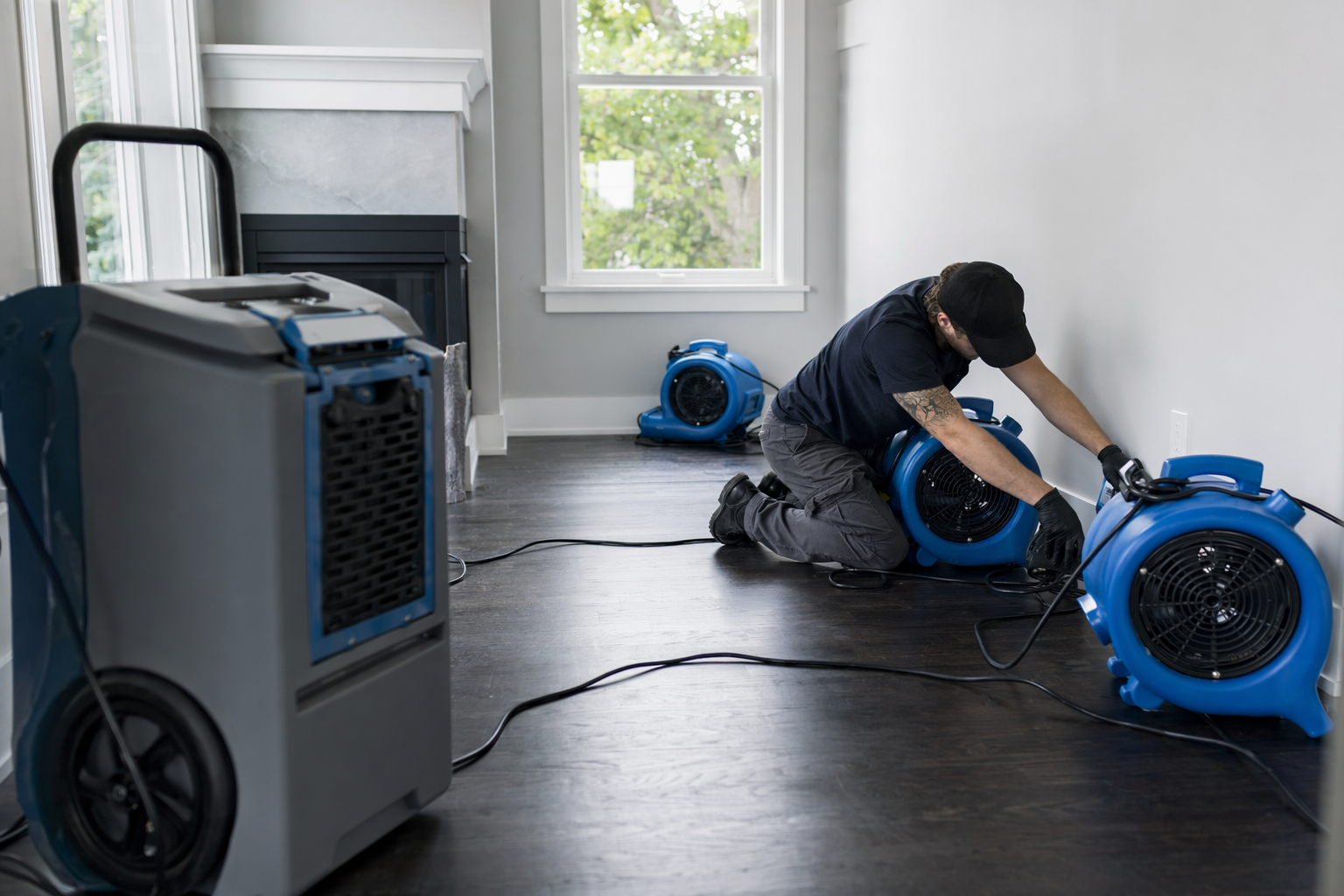
Maybe. Drywall is a gypsum board with a paper face. If it got only lightly wet and was dried quickly, a restoration pro may be able to save it with water extraction, which means pumping and vacuuming out standing water fast, plus structural drying, which means using air movers and dehumidifiers to pull moisture out of walls and floors.
Drywall is more likely to be cut out if it was soaked deeply, stayed wet for many hours, sagged, broke apart, or has soft, crumbly spots. If insulation behind it got wet, that often raises the chance of removal because hidden moisture can keep feeding mold.
A simple rule: clean water + short time + no damage to the wall surface may be dryable. Contaminated water, long soak time, or damaged drywall often means removal is safer.
- Soft, swollen, or crumbling drywall usually needs replacement.
- If the wall cavity smells musty, hidden moisture may still be there.
What a pro will usually look for
A good water-damage restoration pro will check how far the water traveled, how high it rose, whether insulation or framing got wet, and whether the drywall is still structurally sound. They may use moisture meters to measure dampness inside the wall, not just on the surface.
They may also look for signs of mold, staining, or trapped odor. In many cases, they will recommend opening the wall in a few spots so they can dry the inside properly instead of sealing moisture in.
DrySpan is a free matching service, not a restoration contractor. We help you find local water-damage pros who can give an in-person assessment and explain the options in plain language, often in your preferred language.
- Ask for the plan in writing before work starts.
- Ask what will be dried, what will be cut out, and why.
What it may cost
Costs vary a lot by city, how much water there was, what the drywall touched, and whether mold is involved. These are typical planning ranges, not quotes: emergency water extraction is often about $400-$2,000; structural drying for a room or two is often about $1,500-$5,000; whole-home water-damage restoration is often about $3,000-$25,000+; mold remediation is often about $1,500-$6,000.
If only a small section of drywall is affected, the price may be lower. If the wall has insulation, trim, flooring, or cabinets that also got wet, the cost can rise quickly. Always get it in writing, and remember that real pricing depends on the property and local market.
If insurance is involved, coverage and rules vary by policy and by state. A restoration pro can usually document the damage, but they cannot decide your claim for you.
- Ask for a written estimate and scope of work.
- Compare what is included, not just the total price.
A simple story from someone who used DrySpan
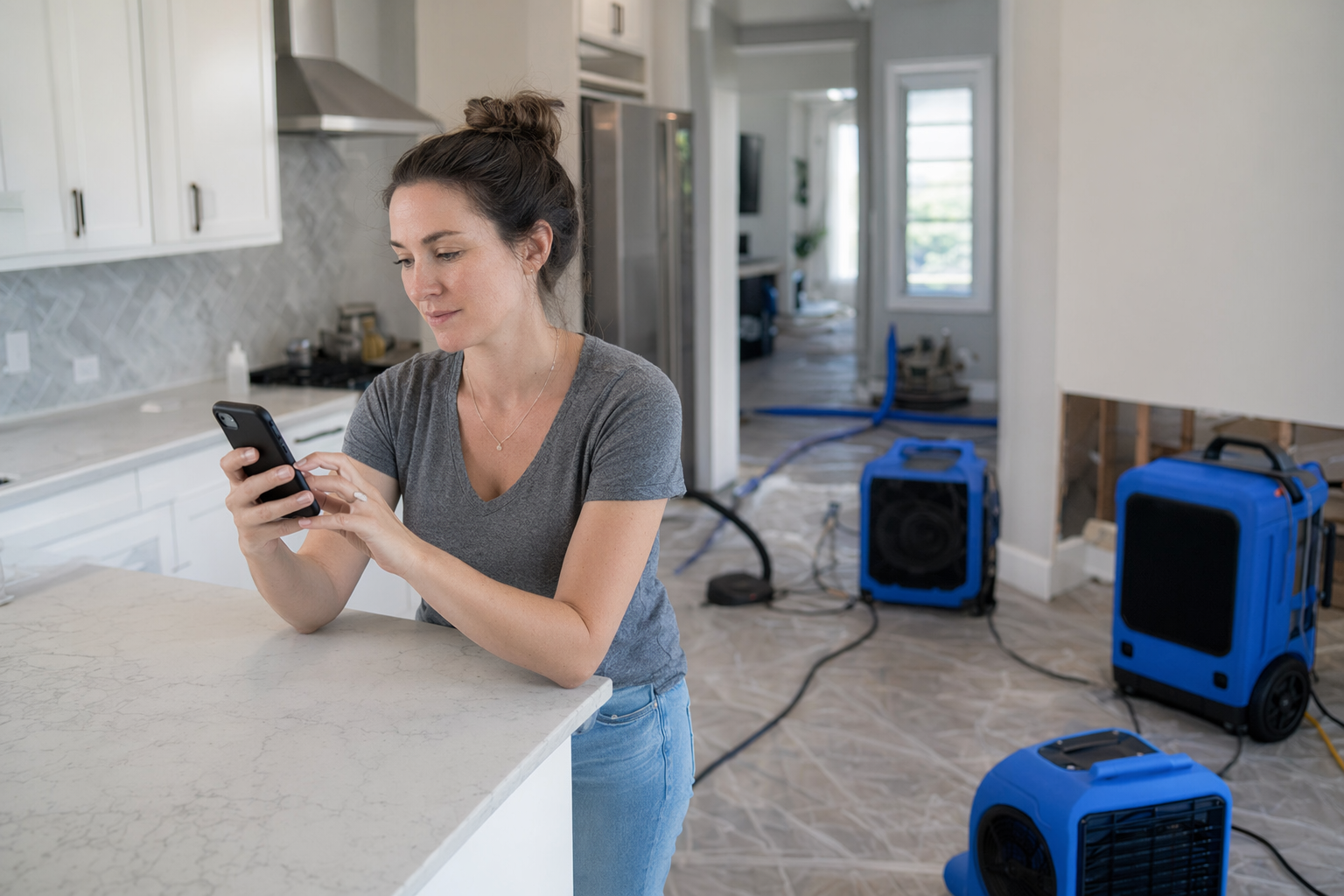
A renter noticed a ceiling stain after a pipe leak in the unit above. At first, the wall felt only damp, but by the next morning the drywall was soft near the baseboard. They used DrySpan to find a local pro who could explain the next steps in their language.
The pro checked the wall with a moisture meter, opened a small section, and found wet insulation behind the drywall. That meant drying alone would not be enough. The damaged section was cut out, the cavity was dried, and the renter got a clear written summary for the landlord and insurance.
The main win was not a miracle fix. It was getting a calm, local assessment fast enough to avoid leaving hidden moisture trapped in the wall.
- Fast assessment can help you avoid guesswork.
- A clear written scope helps everyone understand the repair plan.
How DrySpan can help
If you are deciding whether wet drywall can be saved, a local water-damage pro is often the fastest way to get a real answer. DrySpan helps you find vetted nearby pros and can often match you with help in the language you are most comfortable using.
You do not need to share sensitive records to get started. Just tell us your name, ZIP or city, what happened, your language, and how to reach you. Matching is always free for property owners and renters.
Get started here: find local help or learn more about DrySpan services.
- Free matching for property owners and renters.
- Help may be available in 10 languages.
Wet drywall can sometimes be saved if you act quickly, but soaked, soft, or contaminated drywall often needs to be cut out, and DrySpan can help you find a local pro for free.
FAQ
Common questions
Can I dry wet drywall myself with fans?
Sometimes a small, clean-water spot can be dried if you act quickly, but fans alone often do not dry the inside of the wall. If the drywall is soft, swollen, smelly, or wet near outlets, it is safer to have a pro inspect it.
When does drywall need to be cut out?
Cut-out is more likely when the drywall stayed wet for many hours, got contaminated, or feels damaged or crumbling. Wet insulation or hidden moisture behind the wall also makes removal more likely.
Will my insurance pay for wet drywall repair?
Maybe, depending on your policy, the cause of the damage, and where you live. Coverage rules vary, so it helps to document the damage, save receipts, and ask your insurer what they need.