Stories
A Family's Flooded Basement After a Storm
When a storm flooded their basement, one family felt overwhelmed. This anonymized story shows the calm steps they took right away and how free matching from DrySpan helped them find the right local water-damage pro.
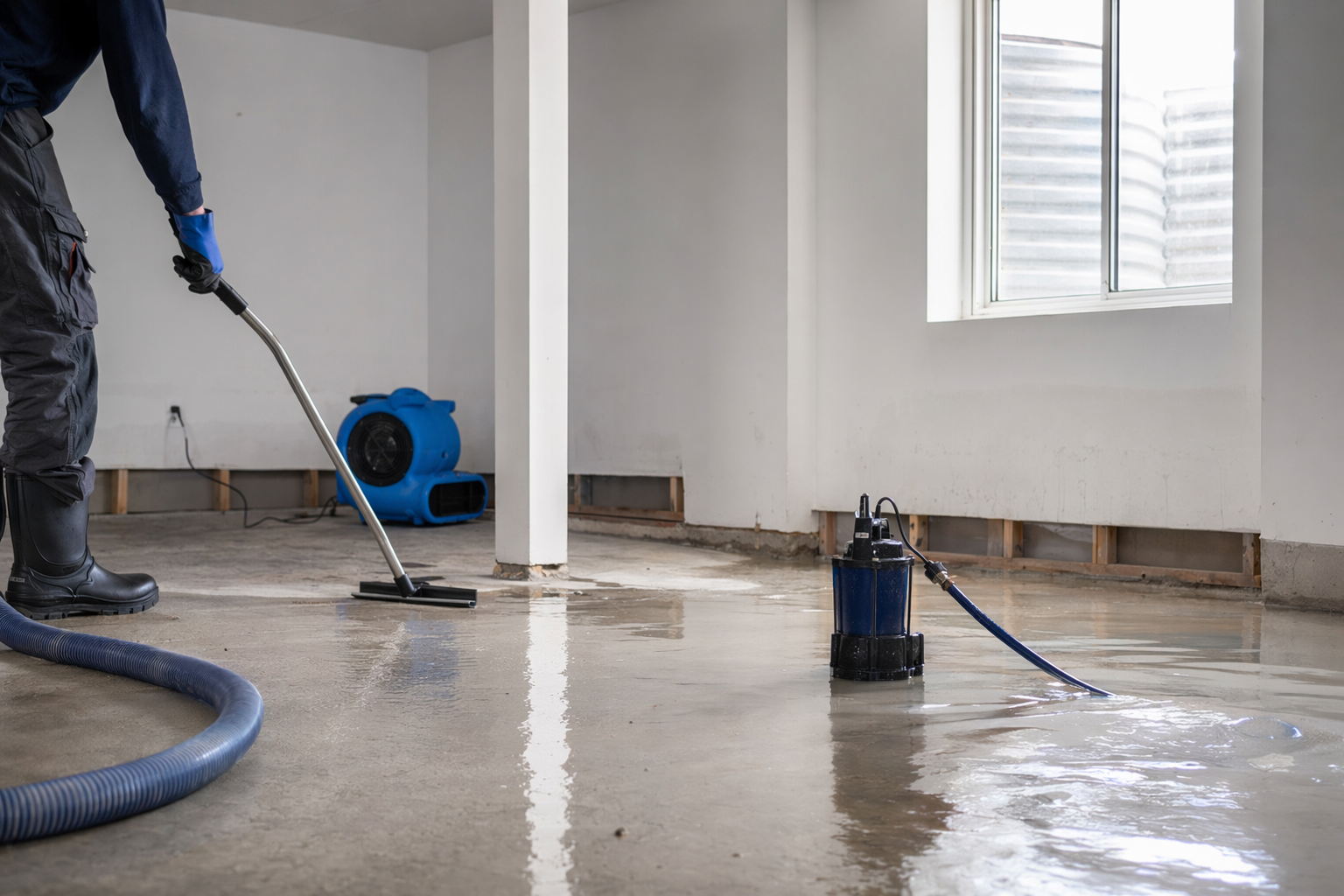
A storm, a flooded basement, and a fast decision
After a heavy storm, a family noticed water rising in the basement. At first it was “just on the floor,” but within hours it was creeping toward storage areas and making the air feel damp.
They knew water spreads into drywall, wood, and insulation quickly. They also worried about safety—especially if the water could be contaminated by storm runoff.
They turned to DrySpan, a free matching service (not a restoration contractor). DrySpan helped them find local, qualified water-damage restoration pros in their area and provided general guidance on what to ask when the phone calls started. The goal was simple: act fast, stay safe, and pick a pro they could trust.
What they did RIGHT NOW (safety first)
In the middle of a stressful emergency, they focused on what could be controlled immediately.
1. They kept family members out of standing water, especially near outlets or electrical equipment.
2. They treated the water as potentially contaminated. Flood and storm water can carry debris and sewage-like contaminants, so they avoided direct contact.
3. They documented what they could safely (photos from dry areas, time of onset if remembered, and which areas were affected).
4. They shut off power to the basement if their breaker panel could be accessed safely from a dry location.
5. They contacted a local water-damage restoration pro promptly through DrySpan matching—because “waiting to see” can allow moisture to move into walls and floors.
They didn’t try to remove drywall themselves. Instead, they prioritized getting the right team on-site to assess water type and extent.
How water-damage restoration works (in plain words)
When the restoration pro arrived, they explained the process in clear, practical terms. The family asked questions and listened for explanations they could understand.
Here were the common steps they discussed:
- Water extraction: pumping and vacuuming the standing water out fast.
- Structural drying: pulling moisture out of walls and floors using air movers and dehumidifiers, then monitoring humidity until it drops to safer levels.
- Cleaning and restoration planning: deciding what materials can be cleaned and what may need replacement depending on how deeply water soaked.
The family also learned that “mold” is often a later concern, not the first thing they see. Moisture control during drying is key. If materials must be remediated for mold, a separate scope may be needed. Mold remediation is typically priced as a separate line item and depends on how widespread it is.
DrySpan doesn’t do the restoration work. But matching helped them connect with a pro who could explain the scope clearly and walk through next steps.
Cost expectations: planning ranges, not promises
They asked about costs early, because they needed to plan. The pro explained that real pricing depends on the amount of water, how long it was there, what it touched (concrete, wood, drywall, insulation), the building layout, and local market rates.
They were given rough planning ranges, like these common US ranges (not a guarantee):
- Emergency water extraction: roughly $400–$2,000
- Structural drying of a room or two: roughly $1,500–$5,000
- Whole-home water-damage restoration: roughly $3,000–$25,000+
- Mold remediation (only if needed): roughly $1,500–$6,000
The pro also emphasized that any final pricing should be confirmed in writing after a real assessment. In many cases, insurance coverage decisions depend on the cause of loss, documentation, and the policy terms. They didn’t assume coverage—because coverage and rules vary by state and by insurance policy.
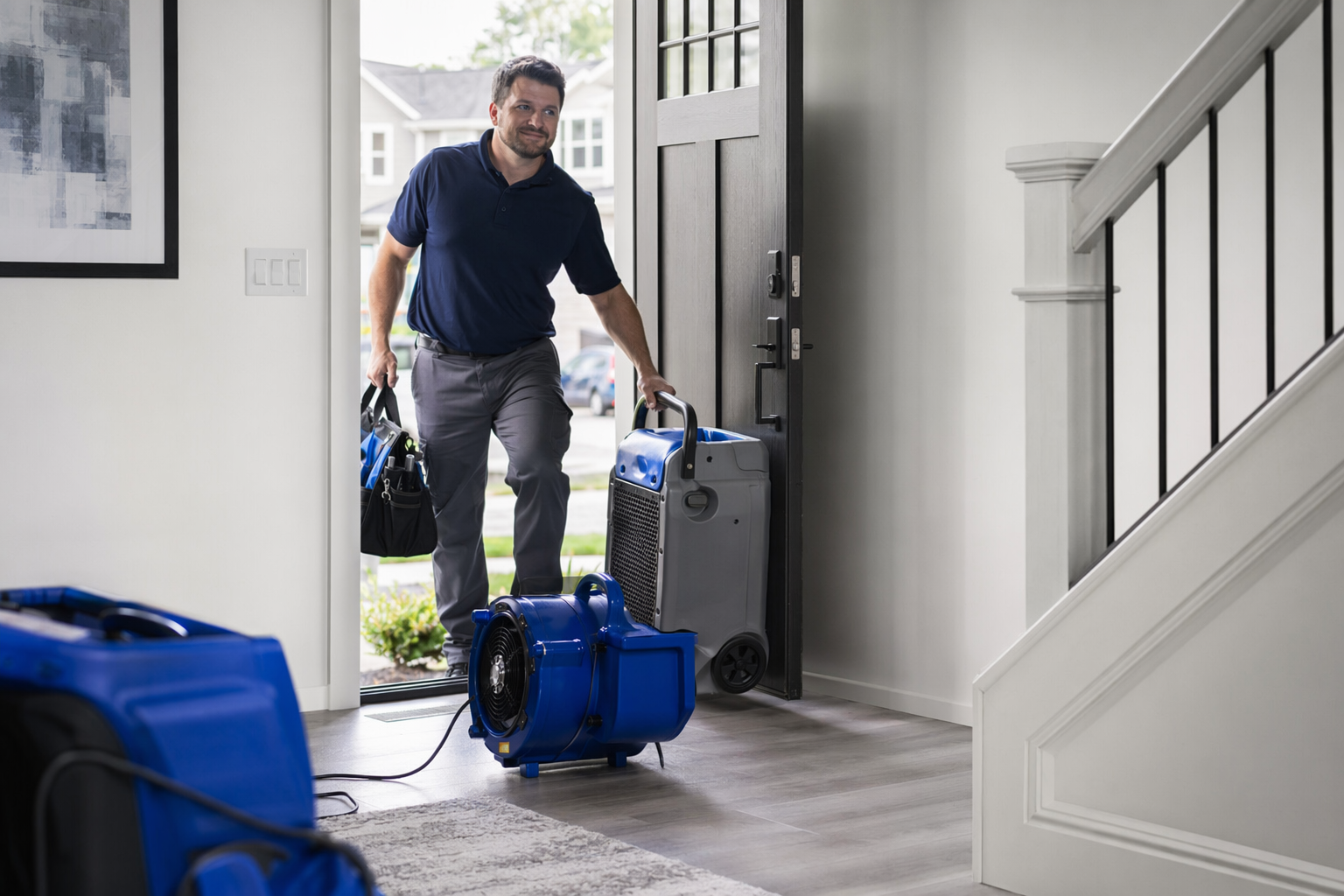
How finding the right pro helped change the outcome
What changed the outcome wasn’t a magic fix. It was acting quickly, drying correctly, and clarifying responsibilities.
The family found that the better-matched pro:
- Showed up with a clear plan for extraction and drying.
- Explained what they would monitor during structural drying (how moisture is measured and when drying is considered complete).
- Discussed which damaged materials might be cleaned versus replaced—based on how much water soaked in.
- Provided a scope of work in writing and answered questions in a straightforward way.
They also kept communications organized: notes of dates and times, photos, and copies of documents shared during the process.
When storms happen, it can feel like everything is moving at once. This family’s main takeaway was practical: they didn’t wait. They used DrySpan to get in touch with local help, then focused on safety and moisture removal first.
If you’re dealing with water damage now
If you’re in a similar situation today, here’s a calm plan you can follow.
1. Make sure it’s safe: do not enter standing water near electrical sources.
2. Treat storm/flood water as contaminated and avoid skin contact.
3. Stop the water source if it’s safe to do so (for example, shut off the main valve if you can access it safely).
4. Act soon for water extraction and structural drying—water can move into materials within hours.
5. Use DrySpan’s free matching to find local water-damage pros: Get matched.
If you want to explore more guidance, you can browse related stories at Stories or learn about typical restoration steps in Services.
This story shows how acting fast for safety and drying—and using DrySpan’s free matching to find a local pro—can make a flooded basement easier to manage after a storm.
FAQ
Common questions
How soon should I contact a water-damage restoration pro after a storm flood?
As soon as it’s safe to do so. Water spreads quickly into walls and floors, and fast extraction plus structural drying can reduce the chance of longer-term damage. DrySpan is free for property owners and can help you reach local pros.
What should I ask a restoration pro when they arrive?
Ask about the water type they’re dealing with, the plan for water extraction and structural drying, how they will measure drying progress, what materials may need cleaning versus replacement, and to provide the scope in writing. Be cautious of any estimate that can’t explain what’s included.
Will insurance cover storm-related basement flooding?
Coverage varies by your policy and by state rules, and it depends on the cause of loss and documented damage. It’s best to review your policy and ask your insurance company what’s covered, while keeping records of what happened and when.