Stories
A Small Restaurant Caught a Leak Before It Spread
A small restaurant noticed water coming in early and acted before it spread. This is a simple, anonymized story of what happened next and how DrySpan helped them find a local pro, free.
What happened
A small restaurant saw water dripping from a ceiling area after hours. The manager stayed calm, kept people away from the wet spot, and checked for any electrical risk before going closer.
Because water can move into walls, floors, and cabinets within hours, they did not wait until the next day. They treated it as a water-damage problem first, not just a cleanup issue.
They also remembered that DrySpan is a free matching service, not a restoration contractor. DrySpan does not do the work; it helps people find a local water-damage restoration pro who can respond and explain the next steps.
What they did right away
They focused on safety and simple steps:
1. They shut off the water source they could reach safely.
2. They avoided the wet area until they were sure there was no electrical hazard.
3. They moved light items away from the leak.
4. They took a few photos for their own records.
5. They used get matched to ask for help in plain language.
The goal was not to solve everything themselves. The goal was to stop the damage from spreading and get the right local help quickly.
How DrySpan helped
The manager shared general details: the ZIP code, what happened, how urgent it seemed, and the language they preferred. No sensitive records were needed.
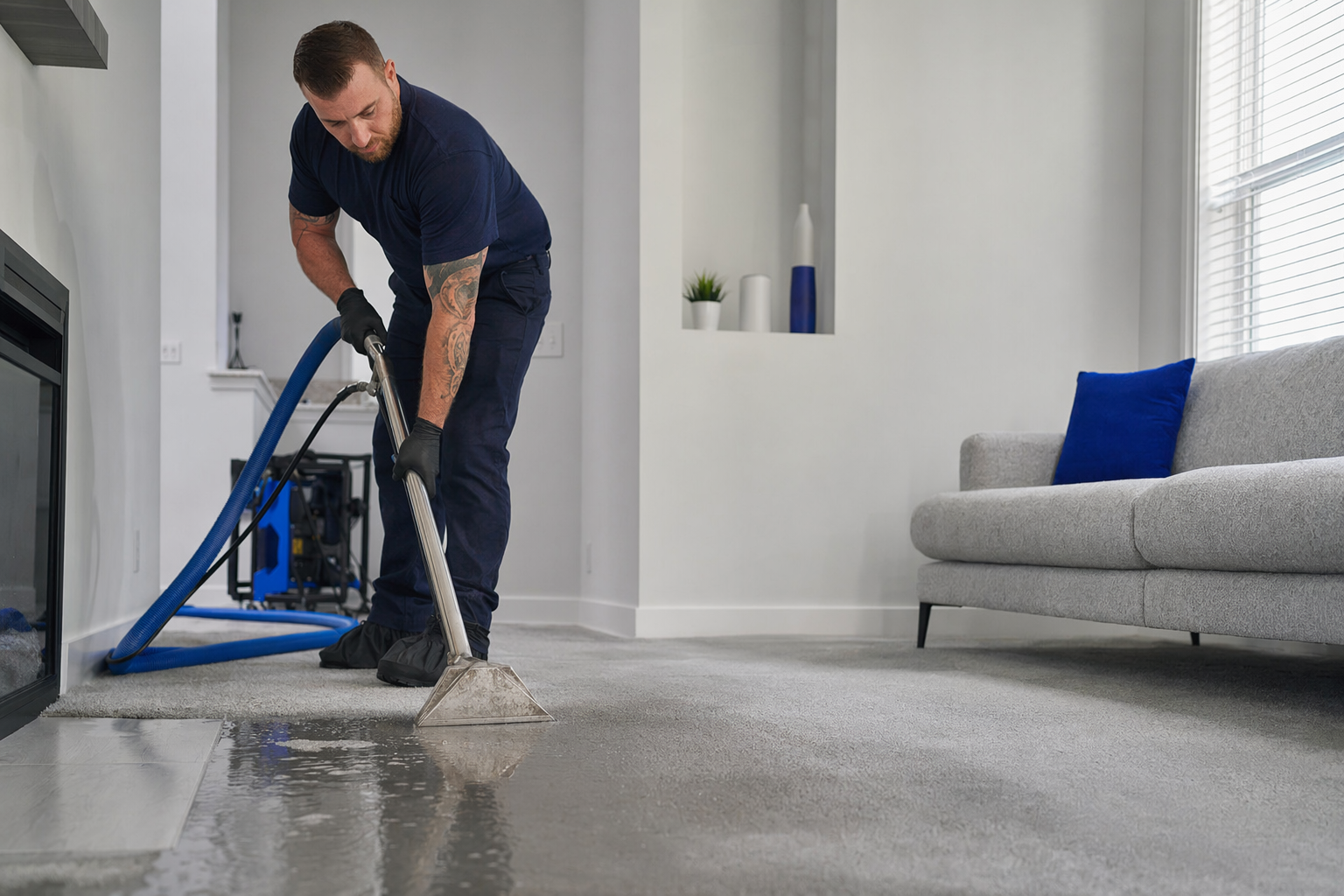
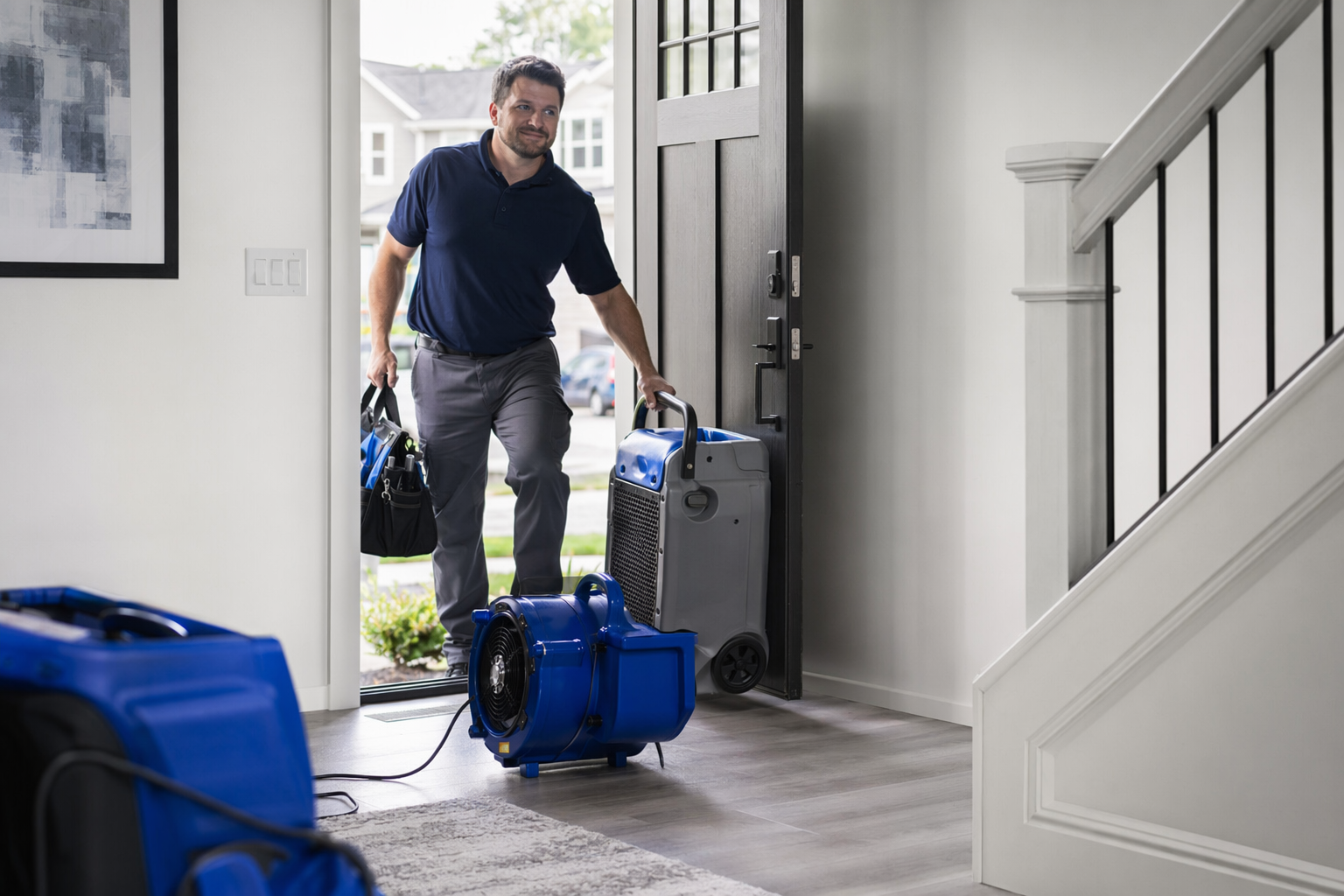
DrySpan then helped match them with a nearby restoration company that could inspect the area, explain the damage in plain words, and start water extraction — pumping and vacuuming standing water out fast — followed by structural drying — using air movers and dehumidifiers to pull moisture out of walls and floors.
The manager said it was helpful to talk with a provider who could communicate clearly and answer questions without pressure. Matching was free, and the restaurant could compare options before choosing who to hire.
What the work usually involves
The pro inspected the leak area, checked nearby materials for hidden moisture, and explained what needed to be dried right away. In a case like this, a technician may also look for damage behind walls or under flooring, because visible water is often only part of the problem.
Typical US planning ranges, which vary a lot, are:
- Emergency water extraction: roughly $400-$2,000
- Structural drying for a room or two: roughly $1,500-$5,000
- Whole-home water-damage restoration: roughly $3,000-$25,000+
- Mold remediation, if needed: roughly $1,500-$6,000
Real cost depends on how much water there was, what it touched, the property type, and the city or state. Always get it in writing before work starts.
What changed the outcome
The biggest difference was timing. They did not ignore a small leak and hope it would dry on its own. They acted soon, got a local assessment, and avoided letting the damage spread deeper into the building.
They also kept the process simple: safety first, document what they could, and use a free matching service to find a pro who fit their situation. For a business owner, that meant less guessing and fewer wasted calls.
If you are in a similar situation, you can learn more on our services or read more stories.
A calm takeaway
Water damage does not always look huge at first. A small leak can still reach drywall, trim, insulation, and flooring quickly.
If you catch it early, the next steps are usually more manageable. DrySpan helps people in the US find the right local restoration pro, and matching is free.
A small leak can turn into bigger damage fast, so this restaurant acted early and used DrySpan to find a local pro for free.
FAQ
Common questions
Is DrySpan a restoration company?
No. DrySpan is a free matching service, not a restoration contractor. We help you find a local water-damage restoration pro; we do not do the repair work ourselves.
How much does water-damage cleanup usually cost?
Typical US planning ranges vary a lot: emergency water extraction is often about $400-$2,000, and structural drying for a room or two is often about $1,500-$5,000. The real price depends on the amount of water, what was damaged, and your location.
Do I need to give sensitive personal records to get matched?
No. DrySpan only asks for general contact and project details like your ZIP or city, what happened, your language, and how to reach you. We do not need medical, immigration, or government ID records.