Locations
Water-damage help in Los Angeles
Water damage in Los Angeles is stressful—especially when water is still spreading. Here’s a calm first-hour plan, then you can get free matched with local water-damage pros who can help.
First-hour plan: what to do right now in Los Angeles
Acting fast helps limit damage. Even a small leak can soak into floors, drywall, and insulation within hours.
DrySpan is a free matching service, not a restoration contractor. We help you find the right local water-damage pro, and share practical information so you know what to ask.
1. If it’s an emergency or electrical risk, call 911 or your local emergency number first. Don’t enter standing water near outlets, cords, or electrical panels.
2. Stop the water source if you can do it safely (for example, shut off the main valve if there’s a burst pipe). If you can’t reach the source safely, wait for professionals.
3. Treat flood/sewage water as contaminated. Avoid contact and keep kids and pets away.
4. Remove valuables and move to a dry area if it’s safe. Close doors to limit spread if you can do so without entering wet areas.
5. If power is safe to use and you’re not standing in water, increase ventilation (fans/windows) to reduce moisture spread. Don’t run equipment if cords or motors may contact wet areas.
For more in-depth first-hour steps, see our First-hour water-damage guide.
- Do not enter standing water near electricity—safety first.
- Flood/sewage water should be treated as contaminated.
Should you worry about mold in LA?
Mold can start when moisture stays in building materials. The key is removing water and drying the affected materials as early as possible.
You don’t need to guess. A qualified water-damage professional can inspect what got wet (including hidden areas like wall cavities). They can explain what “drying” will involve for your specific situation.
DrySpan can help you find a local pro to assess your home or rental. Matching is free, and we’re not a contractor—so you’re not stuck with a one-size-fits-all option.
Common restoration terms (explained in plain words)
When you talk to a water-damage pro, you’ll hear a few terms. Here are simple meanings so you can compare answers.
• Water extraction: pumping and vacuuming the standing water out fast.
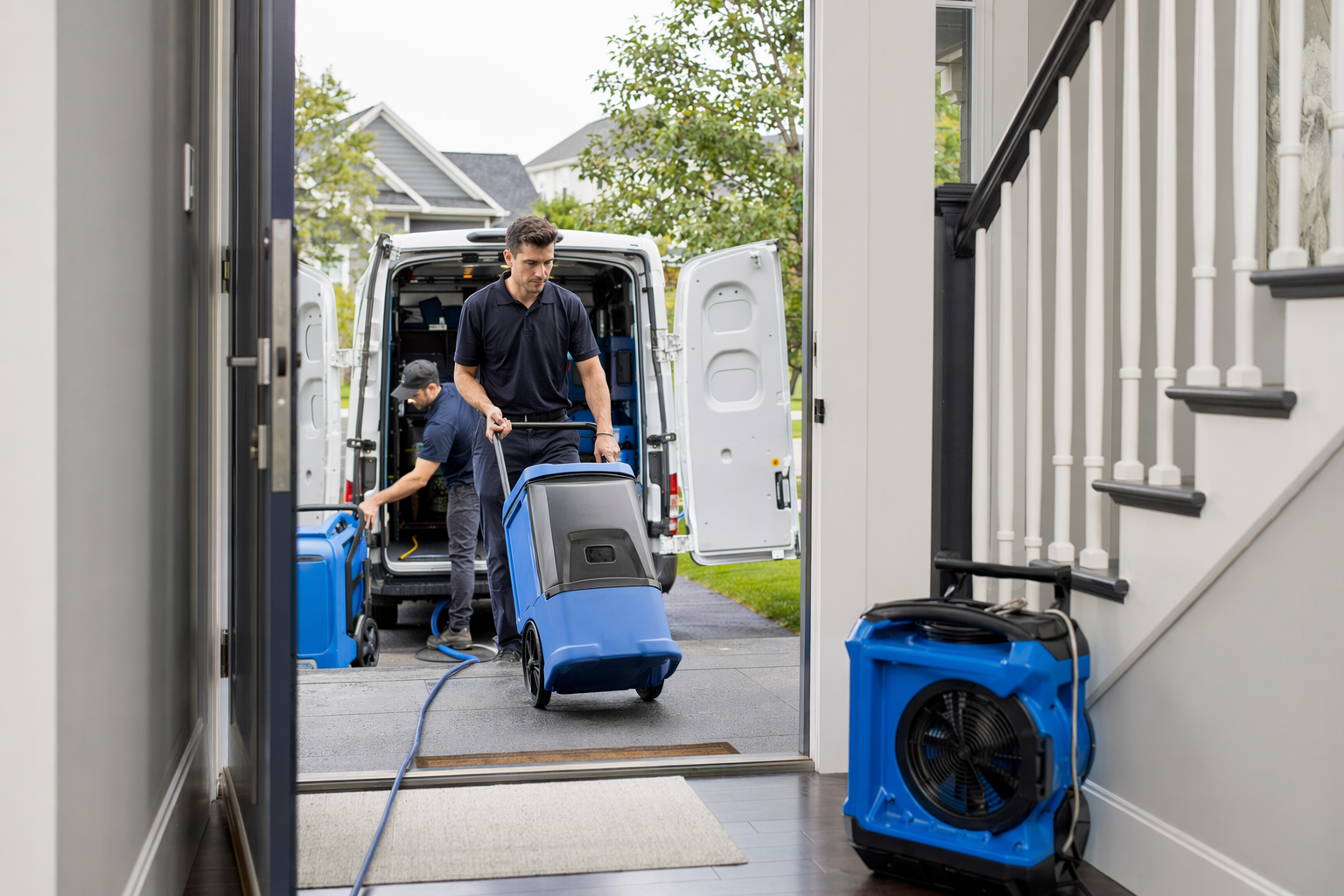
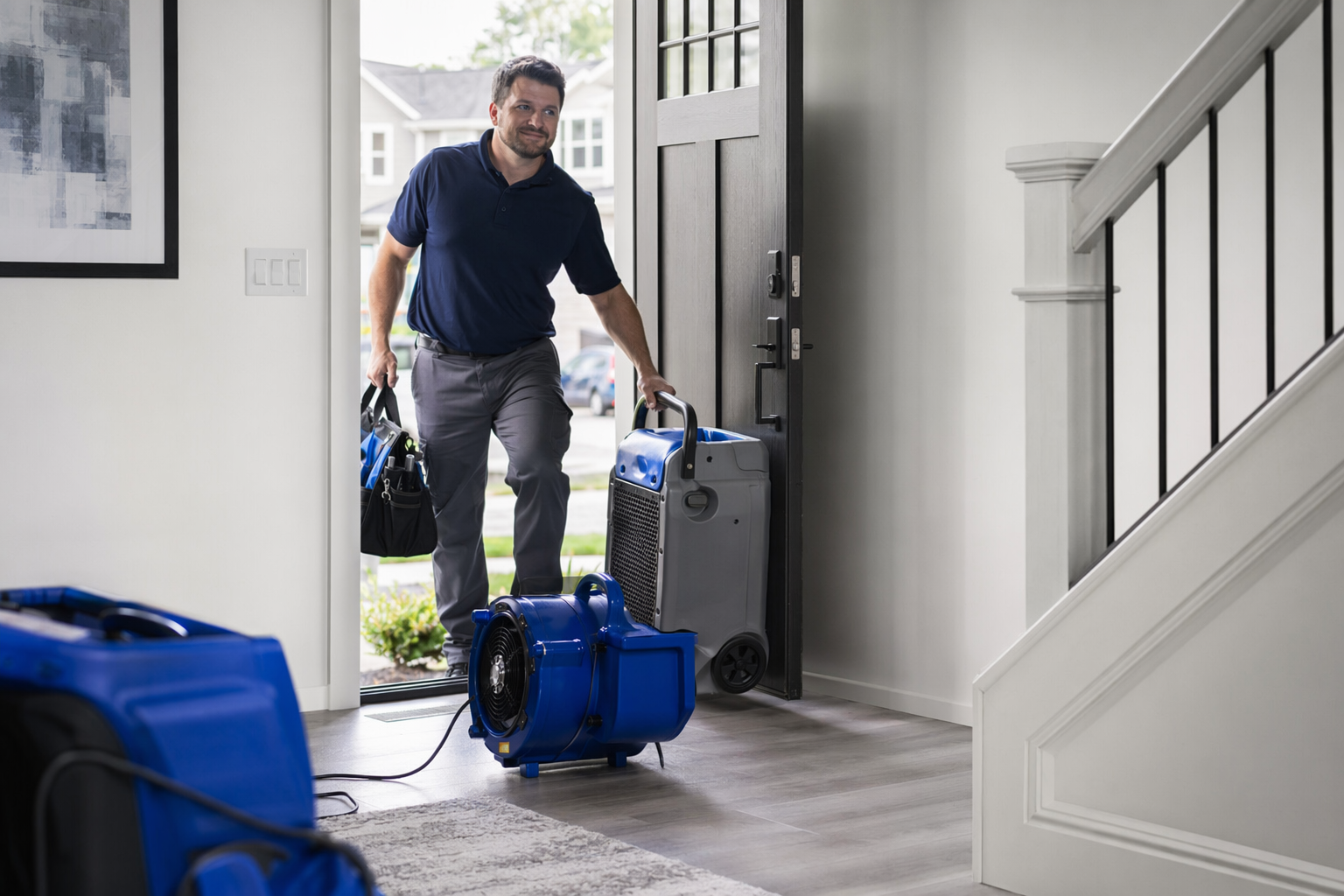
• Structural drying: pulling moisture out of walls, floors, and other materials using air movers (fans) and dehumidifiers. This is more than “airing out.”
• Moisture mapping: checking moisture levels in building materials to confirm what’s still wet and where.
• Drying documentation: tracking readings over time. This can help with insurance questions and follow-up decisions.
• Mold remediation: cleanup and control if mold growth is found or if contamination requires it. Mold work is separate from general drying in many cases.
If you want a simple checklist of what to ask, start with Get matched free.
- Extraction = removing standing water quickly.
- Structural drying = removing moisture from building materials.
How much does water-damage restoration cost in Los Angeles?
Costs vary a lot in Los Angeles. The real price depends on how much water happened, what it touched (floors, walls, insulation, ceilings), the building type, access to areas, and the time since the damage.
Typical US ranges (planning estimates, not quotes):
• Emergency water extraction (pumping/vacuuming): roughly $400–$2,000
• Structural drying for a room or two: roughly $1,500–$5,000
• Whole-home water-damage restoration: roughly $3,000–$25,000+
• Mold remediation (when needed): roughly $1,500–$6,000
These are typical ranges, but your situation could be outside them. Ask for a written itemized estimate, and confirm what’s included (and what isn’t). DrySpan does not set prices or guarantee outcomes—matching helps you connect with local pros who can assess your damage in person.
- Get itemized estimates in writing—prices vary by damage size and materials.
- Typical ranges vary widely; treat them as planning estimates.
Will insurance pay? What to do for documentation (general info)
Many homeowners and renters have coverage that may help, but rules depend on your policy and the cause of the water damage. Some claims are handled differently in different states and situations.
Here’s general documentation help you can do now (without guessing about coverage):
1. Take photos and short videos of the damage you can safely access.
2. Keep receipts for anything you purchase (for example, cleanup supplies or temporary protective items), and save any communications.
3. Write down key facts: when you noticed the problem, where the water came from (if known), and what you did to stop it.
4. If you’re a renter, notify your landlord or property manager promptly and follow their process. Ask what they need for the claim.
When you get matched, ask the pro about what they will document for drying and repairs (for example, moisture readings and drying logs). DrySpan is not a legal or insurance advisor, so we can’t tell you what your policy will cover—but connecting with the right pro can help you get accurate, consistent information.
If you’re comparing providers, our overview of services is here: Water-damage help services.
Get matched free with a local water-damage pro in Los Angeles
You don’t have to search alone. DrySpan is a FREE matching service that connects you with local water-damage professionals who can assess your situation.
Matching is designed to be simple: tell us what happened (for example, burst pipe, leak, flood, storm, or sewage backup), your ZIP or city, and your preferred language to be contacted. We then connect you to appropriate local pros. We are not a contractor and we do not perform restoration work.
To get started, go to Get matched free. If you share your situation, you’ll get options for next steps and questions to ask so you can choose confidently.
- Free matching—DrySpan is not the contractor.
- You can request help in your preferred language.
Act fast to stop the water and stay safe, then get free matched with a Los Angeles water-damage pro for extraction and structural drying—prices and insurance depend on your specific damage.
FAQ
Common questions
What if the water is still coming in or the ceiling is wet?
If water is actively spreading, prioritize stopping the source if it’s safe. If you see electrical risk, call emergency services first. Then contact a local water-damage pro for fast extraction and drying—minutes matter.
Should I run a dehumidifier or fans right away?
If it’s safe and you’re not near electrical hazards or standing water, ventilation can help. However, fans/dehumidifiers alone aren’t the same as water extraction and structural drying, so it’s important to get professional assessment.
Do I need to remove wet drywall or insulation myself?
In many cases, removing materials too early can spread contamination or destroy evidence needed for insurance. A pro can advise what should be removed and what should stay while drying is underway.
How soon should I contact a water-damage restoration company in LA?
As soon as you can, after you address safety and stopping the water source. Water spreads into walls and under floors within hours, so delaying can increase drying time and cost.
Is DrySpan a contractor that will do the repairs?
No. DrySpan is a free matching and information service. We connect you with local water-damage professionals, but we do not perform restoration work or provide legal/insurance advice.