Locations
Water-damage help in New York City
Water damage in New York City can spread fast, but you do have a clear next step. Start with safety, then use DrySpan to get matched free with local water-damage pros who can respond in your language.
What to do in the first hour
If water is still coming in, your first job is safety. If you smell gas, see sparks, or water is near outlets, leave the area and call 911 or your local emergency number right away.
1. Stay out of standing water if electricity may be on.
2. If it is safe, shut off the water source.
3. Move people, pets, and dry items away from the wet area.
4. Take a few photos and short videos for your records.
5. Start first-hour steps and then request help.
If the water came from a sewer backup, storm flooding, or a contaminated source, treat it as dirty water. Do not try to clean it like a normal spill.
- Do not use a regular vacuum on standing water.
- If ceilings are sagging, stay out of the room and keep others out.
How DrySpan helps in New York City
DrySpan is a free matching service, not a restoration contractor. We help you connect with local water-damage restoration pros who handle water extraction, structural drying, cleanup, and related repair work.
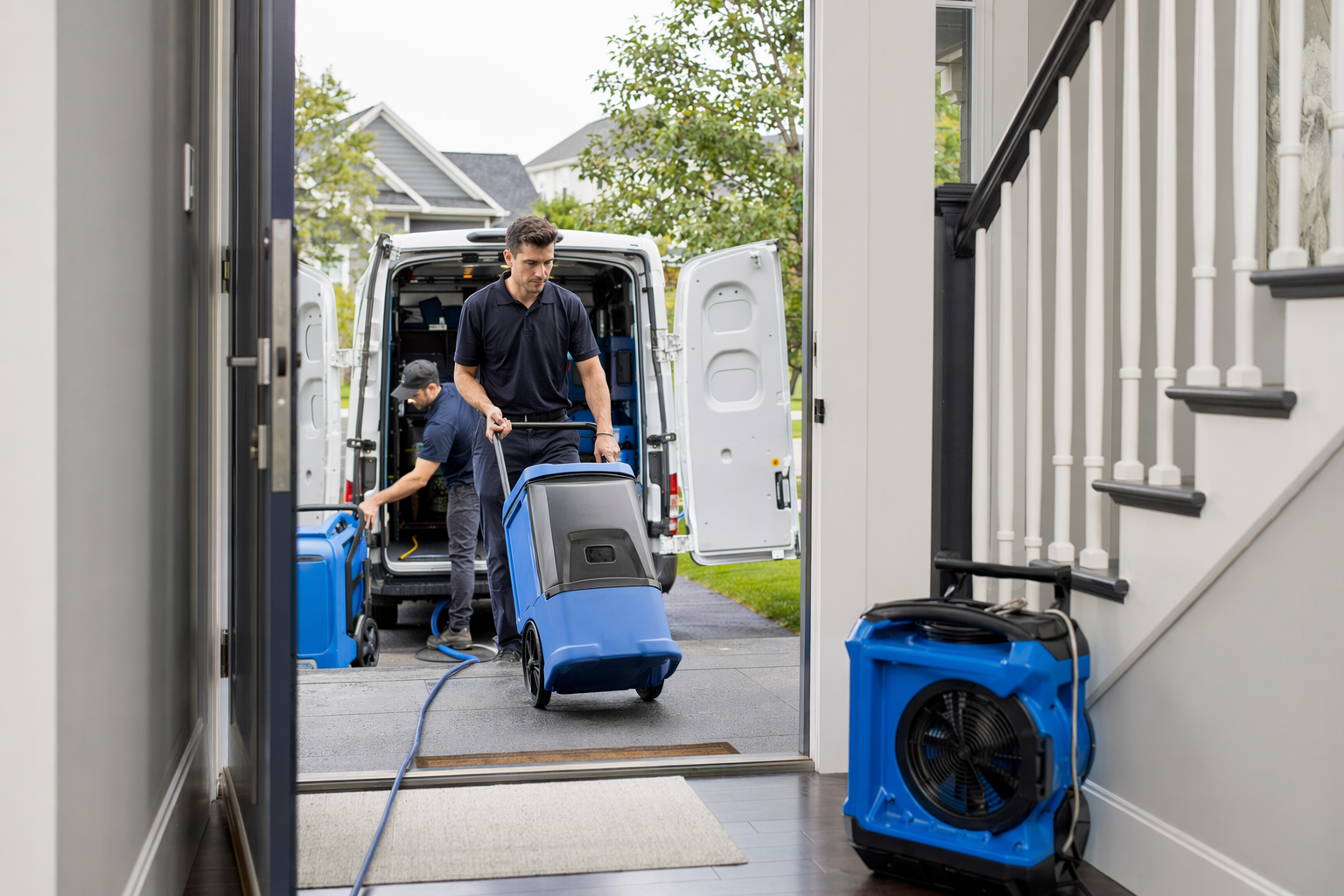
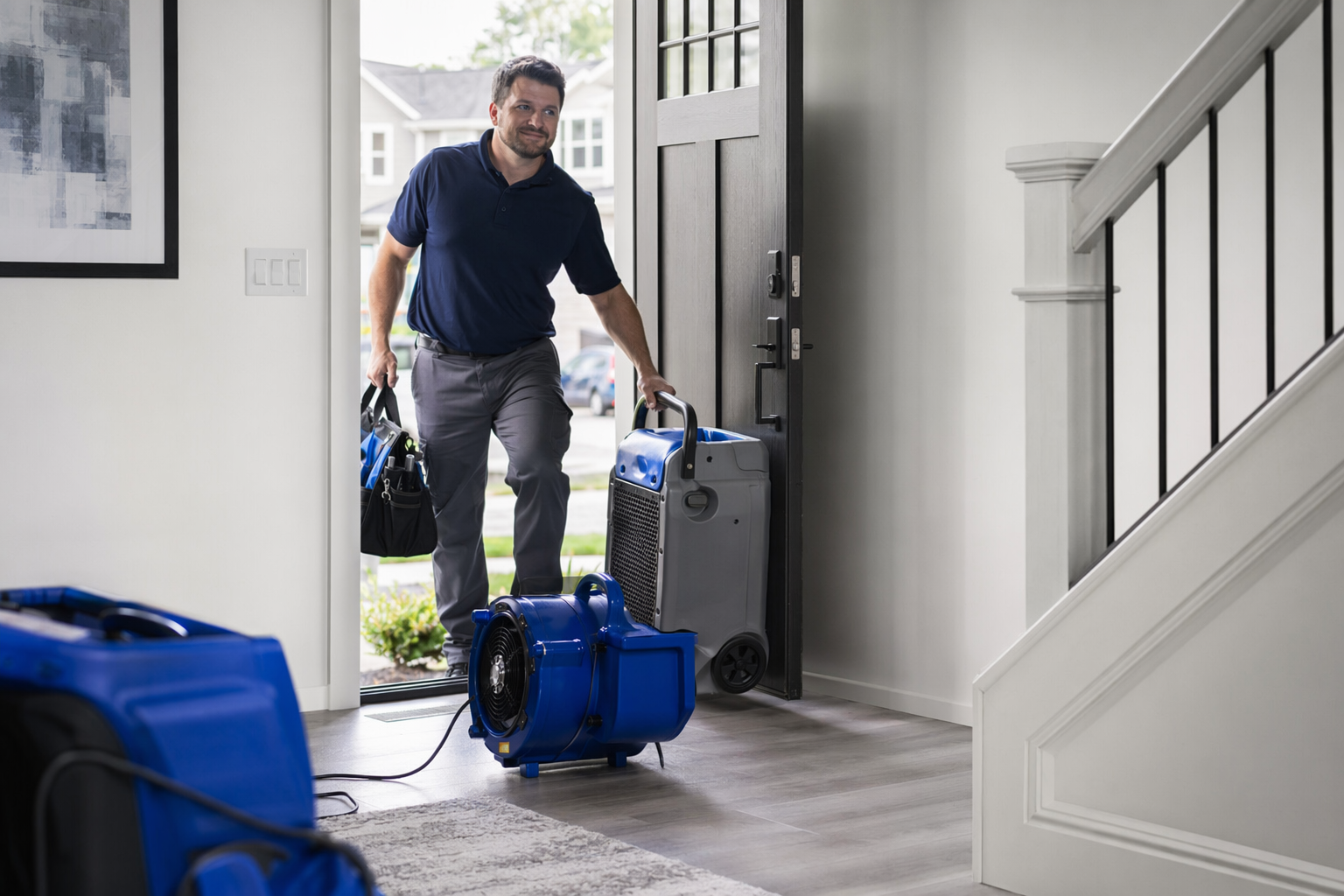
Water extraction means pumping and vacuuming out standing water fast. Structural drying means using air movers and dehumidifiers to pull moisture out of walls, floors, and other building materials.
You tell us the city or ZIP, what happened, your language, and how to reach you. We do not need medical history, immigration documents, or government ID numbers. In many cases, help can be found in the language you are most comfortable using.
- Matching is free for property owners and renters.
- Participating pros pay a flat fee to join the network.
What water damage usually costs
Costs in New York City vary a lot based on how much water got in, what it touched, the size of the property, and whether the building has hidden damage. Ask for an on-site inspection and get everything in writing before work starts.
Typical US planning ranges: emergency water extraction is roughly $400-$2,000. Structural drying for one or two rooms is roughly $1,500-$5,000. Whole-home water-damage restoration is roughly $3,000-$25,000+. Mold remediation is roughly $1,500-$6,000.
Those are only planning estimates, not quotes or guarantees. Local labor costs, building access, parking, and NYC building conditions can change the price.
- Insurance coverage depends on your policy and the cause of the loss.
- Flood insurance rules can be different from a standard homeowners or renters policy.
A real-life example of how this can go
A renter in an apartment building noticed water coming through a ceiling after a pipe issue upstairs. The person stayed out of the wet area, took photos, and used a free matching service to find a local pro who could speak their preferred language.
The matched company explained the work in plain words, did emergency water extraction, then set up drying equipment and checked the damaged areas over the next visits. The renter was able to move faster because they had a clear first-hour plan and someone local to call.
Every situation is different, but a calm checklist and a quick match can make the next step easier.
- Keep your photos, repair notes, and any contractor estimates together.
- If you rent, tell your landlord or building manager as soon as you can.
Why NYC water damage needs quick attention
Water can move into floors, drywall, trim, and insulation within hours. That does not mean you need to panic, but it does mean it helps to act soon.
New York City buildings also vary a lot, from apartments and brownstones to basements and mixed-use properties. Older materials, shared walls, and tight access can make drying and cleanup more complex.
If you want help finding the right pro, get matched and share only the basics: what happened, where you are, your language, and the best way to reach you.
- We help people all over the US, including New York City.
- Coverage and repair rules can vary by state, building, and insurance policy.
Before you hire anyone
Ask whether the company is insured, whether they handle your type of water damage, and whether they can explain the plan in simple words. Good pros should be willing to describe what they will do, what they may need to remove, and what could cost extra.
Ask for written estimates and keep copies of all messages. If something feels unclear, ask for a slower explanation or for help in another language if available.
DrySpan does not perform the work and does not make guarantees about price, timing, or outcome. We simply help you compare options and move faster after the damage.
- Never feel rushed into signing without understanding the scope.
- Get the emergency plan, drying plan, and price in writing whenever possible.
If water damage hits in New York City, stay safe first, then use DrySpan for free help finding a local pro who can explain the next steps in plain language.
FAQ
Common questions
Should I turn off the power after water damage in my NYC home or apartment?
Only if it is safe to reach the switch without stepping into water. If water is near outlets, appliances, or the electrical panel, stay out of the area and call your utility, building staff, or emergency services if there is immediate danger.
Will insurance pay for water damage in New York City?
Sometimes, but it depends on the cause of the loss and your policy. A standard policy may cover some sudden water damage, while flood or sewer-related damage can be different, so review your policy and ask your insurer directly.
How fast should I start drying after a leak or flood?
As soon as it is safe to do so. Water can spread into building materials within hours, so early water extraction and structural drying can help limit additional damage.
Does DrySpan collect my ID or immigration documents?
No. DrySpan only asks for basic contact and service details, like your name, ZIP or city, what happened, your language, and how to reach you.