Free tools
Water-Damage Insurance-Claim Kit
Water damage is stressful. This free Insurance-Claim Kit helps you document what happened, protect your property, and organize the details adjusters typically ask for—so you can move calmly and quickly.

Use this kit RIGHT NOW (what to do first)
Water spreads into walls and floors within hours. Acting soon can reduce damage and help your claim.
1. If there’s an immediate life-safety threat (sparks, burning smell, electrical hazards, sewage you can’t safely approach), call your local emergency number first.
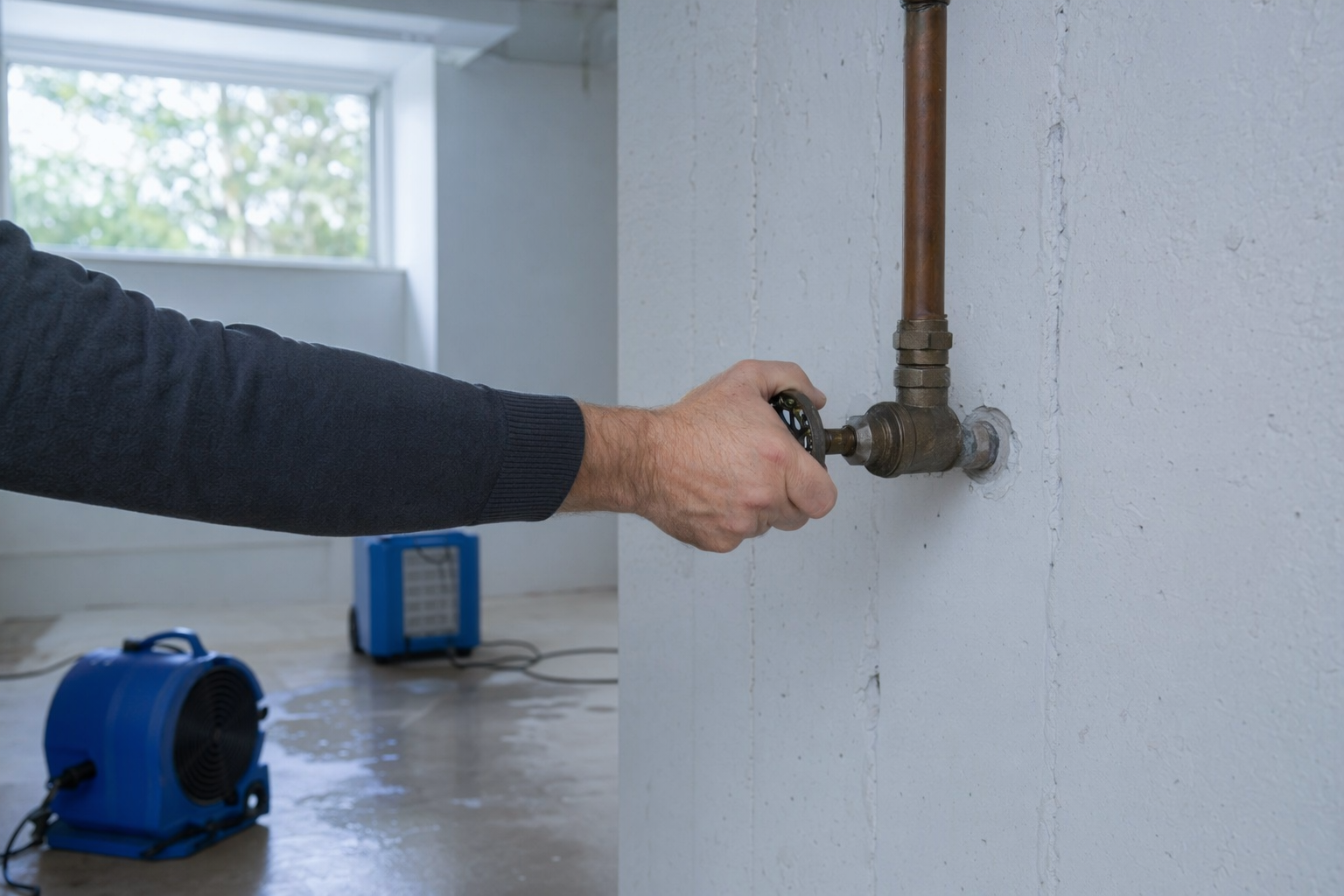
2. Stop the source if you can do so safely (for example, shut off the water at the main valve). If you can’t, call a licensed plumber.
3. Treat flood/sewage water as contaminated. Avoid stepping in it near electrical outlets, appliances, or wiring.
4. Start your documentation now. Even quick notes and photos help.
DrySpan is a free matching service, not a restoration contractor, plumber, or government agency. We can help you find local water-damage restoration pros when you’re ready: Get matched.
- If water is still coming in, focus on stopping the source and staying safe before documenting everything.
Download checklist: what insurance adjusters usually ask for
Use this kit to organize the basics. Your goal is to show: (1) what happened, (2) when it happened, (3) what was affected, and (4) what actions you took to limit damage.
Most claims need clear, consistent details. That’s why this kit includes spaces for:
- Dates and times (when you noticed it and when you stopped the water source)
- Where the water came from (burst pipe, leak, storm, flood, sewage backup)
- What you observed (standing water, wet drywall, damp floors, ceiling stains)
- Photos and short descriptions room-by-room
- A list of any temporary actions you took (for example, moving items, turning off power to an affected area if safe, contacting a pro)
If you already have photos, you can keep them. If you don’t, start with the items below. The best evidence is the one you can gather quickly and clearly.
If you want a fast path to a local pro, review what they’ll typically do in the beginning: see First-hour water-damage steps.
- Keep your notes simple. “Ceiling tile in hallway wet; noticed at 3pm; water came from upstairs bathroom” is enough to start.
Documentation that actually helps: photos, notes, and measurements
Take photos before you clean, when it’s safe. If you must move items to prevent further damage, photograph them first.
Use this photo plan:
1. Overall “wide” photos: each affected room, showing where the water is and what’s wet.
2. Close-up photos: stains, bubbling paint, swollen baseboards, warped flooring, wet insulation, and any damaged building materials.
3. Source photos: where the leak or burst pipe appears to be (near the valve, under a sink, around a ceiling penetration, near a sump area).
4. Height reference: if safe, include something for scale (for example, a tape measure in the frame) and note approximate standing water depth.
5. “Before and after” photos of drying steps (only if you’re already doing them): fans/dehumidifiers placed, fans running, areas cleared.
Write short notes next to each set of photos. Include:
- “What happened” in plain words
- “When it happened” (as close as you can)
- Any important details you heard from professionals (for example, the estimated class of water: clean/gray/black).
DrySpan does not give legal or insurance advice, and we are not a claims adjuster. But good documentation can make your claim process smoother. For general help on choosing a restoration partner, visit Services.
- If you suspect sewage or contamination, say so in your notes. Don’t guess—describe what you observed.
Understand common terms (so you can ask the right questions)
Water-damage restoration can involve multiple steps. Here are common terms in plain language, so you can communicate clearly.
- Water extraction: pumping and vacuuming the standing water out fast.
- Structural drying: pulling moisture out of walls and floors using air movers and dehumidifiers.
- Moisture mapping: measuring how far moisture traveled (not just the visible wet area).
- Content handling: caring for personal belongings that got wet (sometimes cleaning and drying, sometimes removal and replacement decisions).
- Mold remediation: cleanup and removal of mold when it has started or when contamination is present. Mold work depends on the extent of growth and affected materials.
Costs vary a lot based on the amount of water, what it touched (drywall, insulation, flooring, cabinets), building materials, local labor rates, and how quickly drying begins. Typical US planning ranges (not quotes) can be:
- Emergency water extraction: roughly $400–$2,000
- Structural drying of a room or two: roughly $1,500–$5,000
- Whole-home restoration: roughly $3,000–$25,000+
- Mold remediation: roughly $1,500–$6,000
Ask restoration pros to explain what they recommend and what it includes. Also ask them to provide written scopes of work and any documentation you can share with your insurer.
DrySpan is free for property owners and renters. We help you find local pros, but we do not perform restoration work and we do not set prices.
- If someone gives a price, ask for it in writing and confirm what’s included (extraction, drying, monitoring, debris handling, and any mold-related work).
How to use the kit with your insurance claim (without guesswork)
A claim is usually easiest when your information is organized. This kit is built to match what many adjusters request—without you having to remember everything while stressed.
1. Contact your insurance company as soon as you can. Ask what they need from you (photos, dates, statements, receipts for any emergency steps).
2. Provide a clear timeline: “noticed at __, water source stopped at __, first photos taken at __, contacted pro at __.”
3. Share your documentation: photos by room, a short written description, and any receipts.
4. Request guidance on next steps: whether they want estimates first, whether they assign an adjuster, and whether they need immediate mitigation.
5. Keep a simple log of phone calls and emails: date, time, person’s name/title (if provided), and what they said.
Tip: If you prefer another language, ask whether the insurance company and service providers offer interpretation or translated documents. You can also select a pro who communicates in your preferred language when available.
If you’re deciding who to call for mitigation and drying, you can start here with matching: Get matched. DrySpan is a free matching + information service, not a contractor.
- Do not throw away damaged materials until your insurer tells you what to do. When in doubt, photograph first.
Download this free kit to document your water damage, organize a timeline, and share clear photos and notes with your insurer, plus DrySpan can help you find a local restoration pro.
FAQ
Common questions
Is this kit a replacement for filing a claim with my insurance company?
No. DrySpan’s Water-Damage Insurance-Claim Kit helps you document and organize information, but it does not file the claim for you and we do not provide legal or insurance advice. You should still contact your insurer and follow their instructions.
Will insurance definitely pay for water-damage restoration?
Coverage rules vary by state and by your specific policy. This kit can help you present the facts clearly, but it can’t guarantee approval. Ask your insurer about coverage and what documentation they need.
What if I don’t know how much the damage will cost yet?
That’s normal early on. Typical planning ranges are helpful, but final costs depend on how much water spread, materials affected, and what professionals find during inspection and drying. Keep receipts and get written scopes of work.
What if the water looks dirty or smells bad?
Treat it as contaminated and avoid stepping into it near electricity. Note what you observed (odor, sewage signs, discoloration) and mention it when you contact professionals and your insurer.