Free tools
Mold-Risk Self-Check
Use this quick self-check to gauge mold risk after water damage and choose your next step. DrySpan is a free matching service, not a restoration contractor, and we can help in your own language when available.
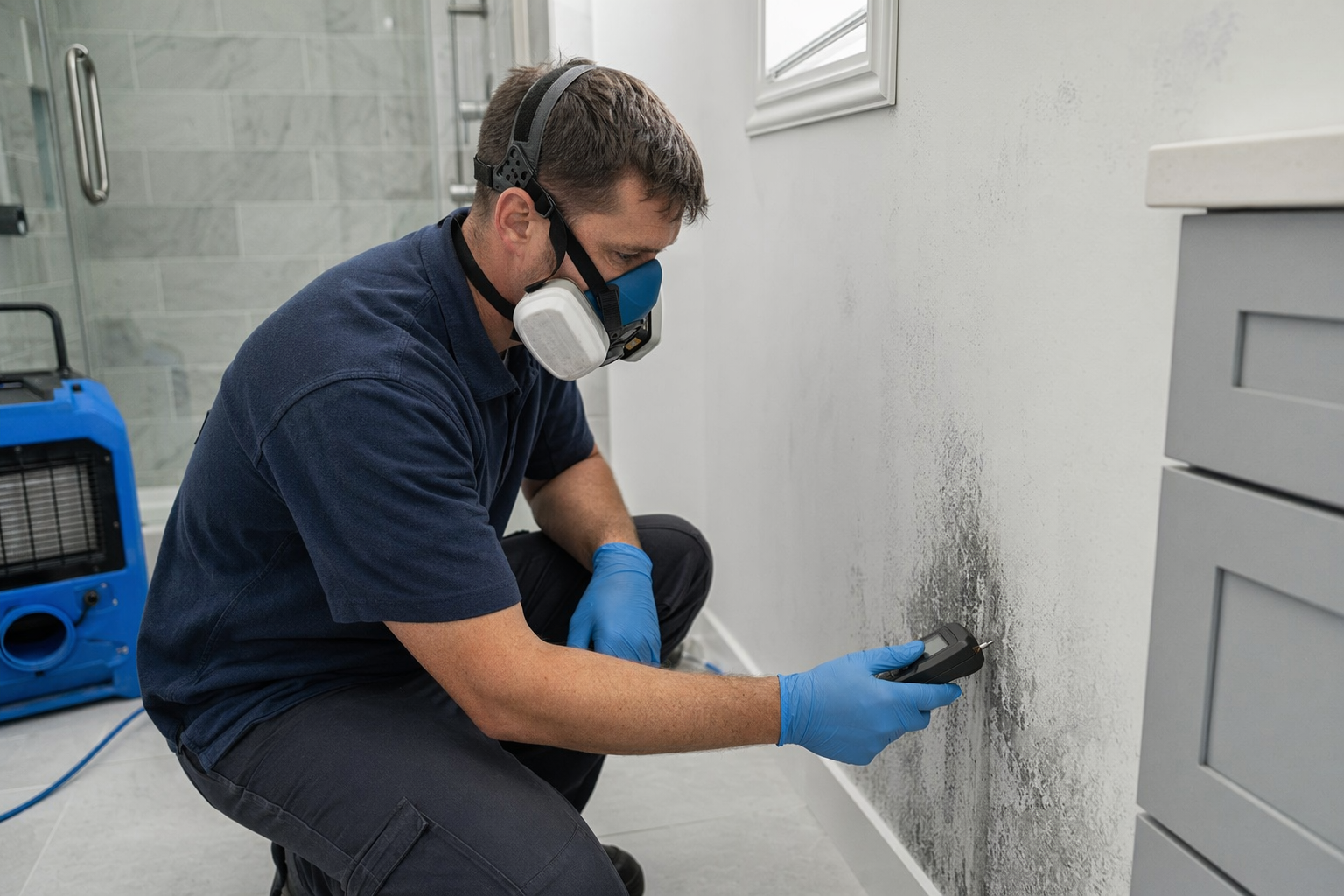
Start with safety and the source of water
If there is still standing water, treat the area as unsafe. Do not step into water near outlets, cords, or appliances. If the water is from sewage, a toilet backup, or floodwater, treat it as contaminated and keep kids and pets away.
If you think there is an immediate life-safety problem, call your local emergency number first. If the area is safe enough to enter, start with the source.
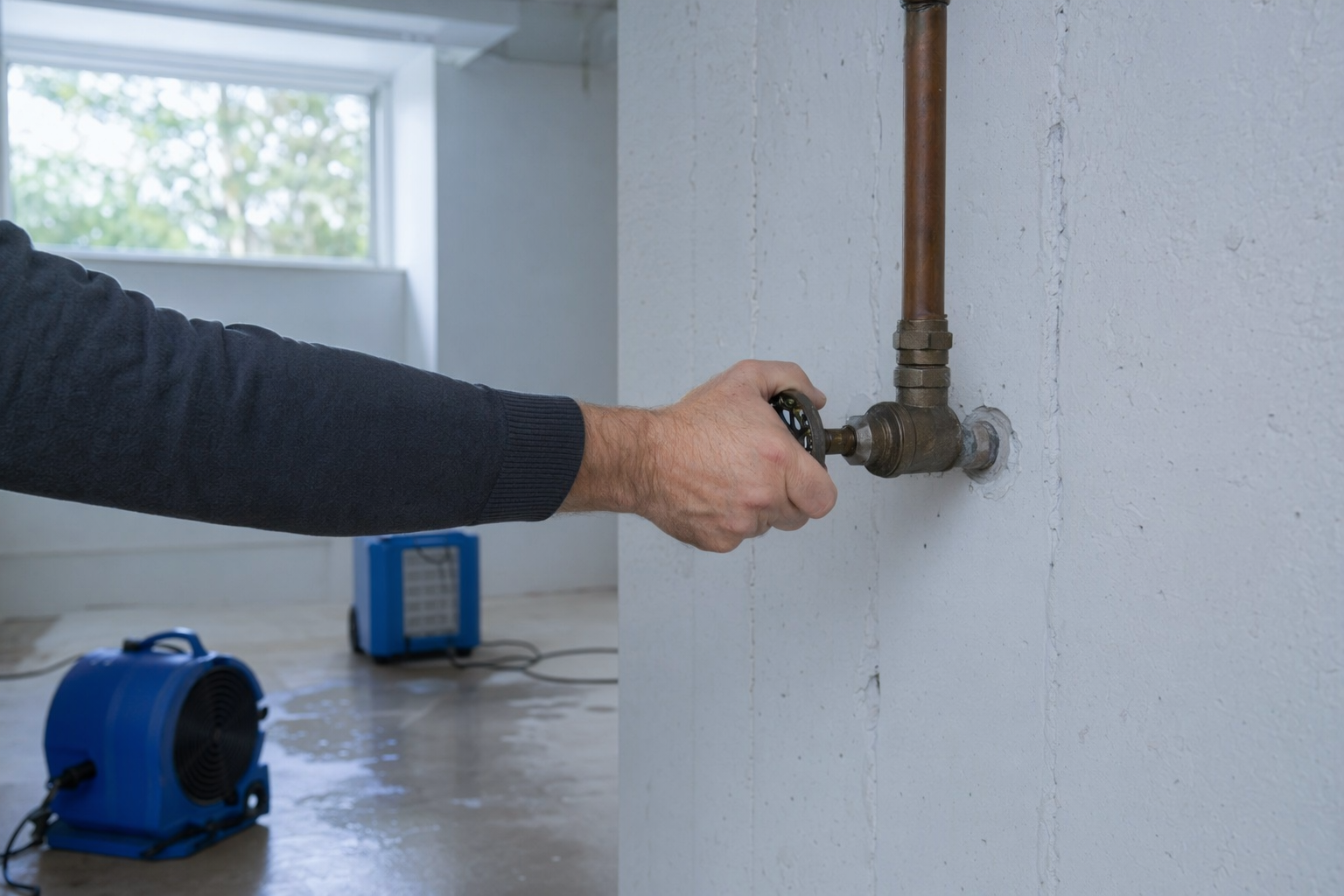
1. Stop the leak if you can do it safely.
2. Take a quick look at where water went: floors, walls, cabinets, ceiling, basement, attic.
3. Note whether the water was clean, dirty, or sewage-contaminated.
- Water can move into walls and floors within hours.
- DrySpan does not do the work; we help you find a local pro.
Use this self-check to gauge mold risk
Mold risk goes up when wet materials stay damp for too long. As a general rule, the longer the water sits, the higher the risk.
Think about these signs:
1. The water stayed for more than 24–48 hours.
2. Drywall, carpet, insulation, or ceiling tiles got wet.
3. You smell a musty odor.
4. You see discoloration, spotting, or fuzzy growth.
5. The damage is in a closed space, like a closet, crawl space, or basement.
6. The water came from sewage, outside flooding, or a long leak.
If you checked several of these, mold risk is likely higher and you should look for a restoration pro soon. Structural drying means using air movers and dehumidifiers to pull moisture out of walls, floors, and other building materials.
- Musty smell can be an early sign even if you do not see growth yet.
- Visible mold, sewage, or soaked drywall usually means the job needs a pro review.
What to do in the next 24 hours
Drying fast matters because wet materials can break down and mold can start growing. Here is a practical plan.
1. Open windows only if outdoor air is dry and safe.
2. Run fans and a dehumidifier if you already have them and the area is safe.
3. Move small, dry items out of the wet area.
4. Lift rugs, furniture legs, and anything that can wick water.
5. Take photos and short videos for your records.
6. If you need help, ask for water extraction first. Water extraction means pumping and vacuuming standing water out fast.
If the damage is more than a small clean-water spill, a pro may need to inspect for hidden moisture behind walls and under floors.
- Do not keep using carpet or drywall that stays wet.
- If the water is dirty, do not try to clean porous items yourself.
How much mold cleanup may cost
Costs vary a lot by city, property size, materials, and how far the moisture spread. These are typical US planning ranges only, not quotes.
Emergency water extraction is often roughly $400-$2,000. Structural drying for a room or two is often roughly $1,500-$5,000. Whole-home water-damage restoration can run roughly $3,000-$25,000+. Mold remediation is often roughly $1,500-$6,000. Always get it in writing.
If a contractor gives a very low number without checking hidden moisture, ask what is included and whether drying, demolition, or mold work is separate. Coverage and rules vary by state and by your insurance policy.
- The real price depends on how much water, what got wet, and your location.
- A written estimate should explain labor, equipment, and any demolition.
A small story from a real-life kind of situation
A renter noticed a ceiling stain after a pipe leak in the unit above. The floor felt damp, and there was a faint musty smell in the closet. They used a quick self-check, then asked for help through DrySpan in the language they were most comfortable with.
They were matched with a local restoration pro who explained the next steps in plain words, checked for hidden moisture, and helped them decide what needed drying right away and what could wait. DrySpan did not do the repairs, but the free match helped them find the right kind of company sooner and avoid guessing.
- Every situation is different, but a quick check can help you act with more confidence.
- Matching is free, and help may be available in your language.
If you want the next step, use the free match
If your self-check suggests mold risk, or you are not sure what you are seeing, the next step is to talk with a local water-damage restoration pro. They can inspect, explain whether drying or cleanup is needed, and tell you what they recommend in writing.
You can start here: get matched. To learn what restoration services usually include, see services. For first steps right after a leak or flood, read the first hour guide.
DrySpan is free for property owners and renters who need help finding a pro. Participating pros pay a flat fee to join the network.
- No medical, immigration, or government ID information is needed.
- We help match and inform; we do not perform the work.
Check for safety, look for damp materials and musty smells, and if the risk seems high, get a free match to a local restoration pro.
FAQ
Common questions
Does seeing mold mean I need emergency help?
Not always, but it is a sign to act soon. If there is sewage, active leaking, or water near electricity, handle safety first and then get a restoration pro to inspect.
Can I clean mold myself?
Small surface spots on hard, non-porous materials may be handled by some people, but hidden moisture, drywall, carpet, insulation, or sewage-related damage usually needs a pro review. If you are unsure, a local restoration company can inspect and explain the safest next step.
Will insurance pay for mold cleanup?
It depends on your policy, the cause of the water, and your state. DrySpan cannot give insurance advice, but a restoration pro may help document damage for your claim and give a written estimate.
How fast does mold start after a leak?
There is no single timeline, but the risk rises quickly when wet materials stay damp. Water can spread into walls and floors within hours, so it helps to dry the area and get it checked soon.